Author: Alex Strauss

  • | | | |

    Mesothelioma Tumor Response to Nivolumab Detailed in New Case Study

    An Indian woman in still alive two years after a mesothelioma diagnosis thanks to a remarkable mesothelioma tumor response to nivolumab. Nivolumab is sold under the brand name Opdivo. It is a type of immunotherapy. Nivolumab is sometimes used for lung cancer that progresses after chemotherapy. A hospital in Mumbai tried nivolumab on a pleural mesothelioma patient after several types of chemotherapy did not work. Doctors say the mesothelioma tumor response to nivolumab was so great that the patient no longer needed supplemental oxygen.  Opdivo in Mesothelioma Treatment Opdivo is not FDA-approved for mesothelioma treatment. Only Alimta (pemetrexed) holds that designation. But pleural mesothelioma grows quickly and is hard to treat. Even the gold standard therapies often do not work…


  • | | | | |

    MicroRNA Signature for Mesothelioma Could Lead to Earlier Diagnosis

    Australian researchers believe they have identified what amounts to a microRNA signature for mesothelioma in pleural effusion.  Pleural effusion is the name for excess lung fluid. Up to 90 percent of pleural mesothelioma patients develop a pleural effusion. Researchers at the University of Western Australia say this fluid contains a wealth of information that could improve mesothelioma diagnosis. They have recently identified a trio of RNA molecules in fluid samples that could serve as a microRNA signature for mesothelioma. This “signature” could help doctors distinguish mesothelioma from other types of cancer. The Challenge of Mesothelioma Diagnosis Pleural mesothelioma is notoriously hard to diagnose. The early symptoms of mesothelioma are similar to the symptoms of many other lung conditions. They are…

  • | | | |

    CRS/HIPEC Treatment Helps Double Survival Among Swedish Mesothelioma Patients

    A new report suggests that CRS/HIPEC treatment has helped to double the odds of surviving peritoneal mesothelioma in Sweden.  Researchers collected data from the Swedish National Cancer Registry. A total of 102 peritoneal mesothelioma cases were included from two separate 5-year time periods. The report shows that, since CRS/HIPEC treatment was introduced in Sweden, overall survival of peritoneal mesothelioma increased from 7 to 15 months. At 5 years, twice as many peritoneal mesothelioma patients were still alive. The researchers conclude that this is likely due, at least in part, to CRS/HIPEC treatment.  Surviving Peritoneal Mesothelioma Peritoneal mesothelioma is an aggressive cancer that starts on the membrane lining the abdomen. It is almost always caused by accidental swallowing of microscopic asbestos…

  • | | | |

    New Hope for Relapsed Pleural Mesothelioma?

    There is new evidence that adding a drug called vorinostat to immunotherapy might help relapsed pleural mesothelioma patients.  The new study comes from the Moffitt Cancer Center in Tampa. It focused on patients with non-small cell lung cancer. Non-small cell lung cancer is similar to pleural mesothelioma in many ways.  The study found that patients who received vorinostat along with an immune checkpoint inhibitor had better results. The findings could be good news for relapsed pleural mesothelioma patients, too. Different Immunotherapy Drugs Vorinostat is sold under the brand name Zolinza. It is a histone deacetylase (HDAC) inhibitor. HDAC inhibitors alter the way proteins are expressed inside cells. They also stimulate the immune system.  Immune checkpoint inhibitors (ICIs) like Keytruda also…

  • | | | | | |

    Effect of Chemotherapy on Immunotherapy for Mesothelioma

    Belgian scientists say they are still not sure about the effect of chemotherapy on immunotherapy for mesothelioma. They reached that conclusion after testing several different chemotherapy drugs on mesothelioma cells in the lab. The combination of chemotherapy and immunotherapy is “chemoimmunotherapy”. It aims to harness the unique powers of each treatment approach. A meta-analysis last May called chemoimmunotherapy the “next frontier” in mesothelioma treatment.  But the new Belgian study on the effect of chemotherapy on immunotherapy highlights how much doctors still do not know about the combo. Immune Checkpoints Are the Key When it is working properly, the immune system is supposed to find and kill cancer cells before they become mesothelioma tumors. But mesothelioma cells can hide from the…

  • | |

    IMRT for Mesothelioma: Barriers to Completing Treatment

    MD Anderson researchers say too many patients who might benefit from IMRT for mesothelioma never complete the treatment. The problem could be impacting their survival. Intensity Modulated Radiotherapy (IMRT) is a type of targeted radiation. It is designed to direct as much radiation as possible into the mesothelioma tumor without harming the surrounding tissue.  Patients who have a combination of surgery, chemotherapy, and IMRT for mesothelioma have the best odds of survival. But at MD Anderson Cancer Center, only two thirds of eligible patients completed IMRT after mesothelioma surgery. The new study aimed to find out why. Trimodal Therapy and Mesothelioma Survival Malignant mesothelioma rarely responds to a single cancer therapy. Trimodal therapy combines several different treatments to maximize success. …

  • | | |

    Pleural Mesothelioma Rates Remain Stagnant As Survival Improves

    A new report shows pleural mesothelioma rates in the US have failed to decline as they were predicted to do, but survival is improving slightly.  The US government began to implement tighter restrictions on asbestos in the 1970s. Researchers at the Cleveland Clinic say original projections had the incidence of pleural mesothelioma peaking in the early 2000s as a result. Pleural mesothelioma rates were supposed to decline after that. But numbers from the National Cancer Database (NCDB) tell a different story. They suggest that, while mesothelioma survival is improving, incidence of asbestos cancer are not. Asbestos and Malignant Mesothelioma Malignant mesothelioma is the most serious of a range of illnesses caused by asbestos. Pleural mesothelioma is the most common type…

  • | | | | |

    Curcumin Supplement Delays Mesothelioma Tumor Growth in Mice

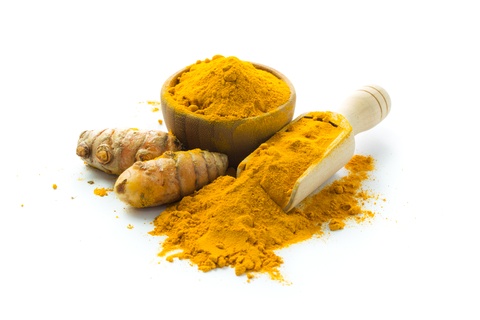
    Italian researchers say a curcumin supplement containing a compound found in black pepper slowed the growth of mesothelioma tumors in mice. The commercially available supplement is called Curcumin-C3complex/Bioperine. This is the first time this formulation has been studied for malignant mesothelioma.  Lab-grown human mesothelioma cells stopped growing when scientists treated them with the curcumin supplement. The treatment did the same in live mice.  The researchers suggest that the curcumin supplement may work synergistically with standard treatments.  What is in Curcumin-C3complex/Bioperine? Curcumin is the most bioactive compound in turmeric. Turmeric is the spice that gives curry its bright yellow color.  Several scientific studies suggest that curcumin and other curcuminoid compounds in turmeric have powerful health benefits. These compounds are anti-inflammatory and…

  • | | | | |

    Isolated Thoracic Perfusion for Mesothelioma Symptom Relief

    A new study suggests that a treatment called isolated thoracic perfusion could help alleviate some of the worst symptoms of malignant pleural mesothelioma. Isolated thoracic perfusion is a method for circulating medicine in just one area of the body. When doctors circulated chemotherapy drugs in the chests of people with pleural mesothelioma, their symptoms went away for several months.  Now, the team says it is time to test the technique in a bigger pool of mesothelioma patients.  The Theory Behind ITP Pleural mesothelioma is a membrane cancer that occurs in the chest. Chemotherapy drugs like Alimta can be powerful weapons against pleural mesothelioma. But they can also damage healthy tissues.  When healthy tissues are damaged by chemotherapy, mesothelioma patients can…

  • | | |

    Risk for Peritoneal Mesothelioma Keeps Rising Decades After Exposure

    Pleural mesothelioma risk may level off over several decades, but the risk for peritoneal mesothelioma never goes down. That is the conclusion of researchers at Italy’s University of Eastern Piedmont. It is based on data from more than 50,000 asbestos-exposed Italian workers.   More than 40 years after asbestos exposure, the workers’ risk for peritoneal mesothelioma continued to rise. Calculating Mesothelioma Rates Over Time Asbestos is the primary cause of all types of malignant mesothelioma. Even short-term asbestos exposure raises the risk for peritoneal mesothelioma and pleural mesothelioma. Peritoneal mesothelioma occurs in the lining of the abdomen. Pleural mesothelioma tumors start on the lining around the lungs.  If asbestos fibers are inhaled or swallowed, they embed themselves in these linings. This…