Author: Holly Zink

  • |

    Immunotherapy as Effective Second-Line Treatment for Mesothelioma

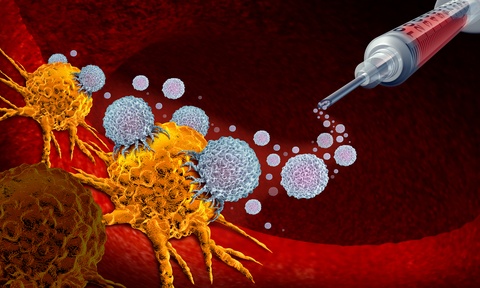
    A study from Taiwan has identified an effective second-line treatment for malignant pleural mesothelioma. When a patient is diagnosed with mesothelioma and begins treatment, the first treatment is called the “first-line treatment.” If that treatment does not work or stops working, a “second-line treatment” is given to the patient. For mesothelioma, treatment usually consists of surgery, chemotherapy, and radiation. The exact treatment plan will depend on many factors. Doctors will consider the type of mesothelioma, the condition of the patient, and how much the cancer has spread. A common first-line treatment for mesothelioma patients is chemotherapy with drugs called pemetrexed and cisplatin. When this treatment works properly, it stops cancer cells from growing and multiplying. It is for patients whose…

  • |

    Meeting the Needs of Mesothelioma Patients and Caregivers

    A study published earlier this year found that mesothelioma patients and their caregivers have many unmet support needs. Mesothelioma is a cancer that forms in the lining of organs like the lungs. It is caused by exposure to asbestos. Most patients with mesothelioma are elderly and male. Treatment for mesothelioma is difficult and the five-year survival rate is poor. A mesothelioma diagnosis can be devastating for a family. Patients and their caregivers can experience hopelessness, blame, and psychological distress. They also face uncertainty around financial issues and medical concerns. The painful symptoms of mesothelioma are a huge source of stress, as well. There is not much information currently available about the psychosocial support needs of people living with mesothelioma and…

  • |

    Best Services to Quit Smoking for Mesothelioma Patients

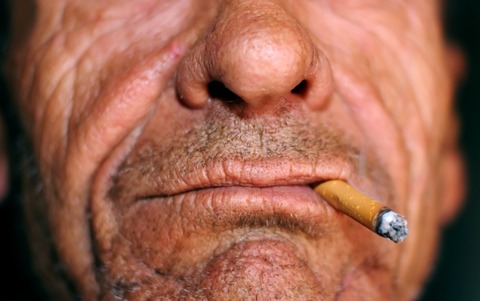
    A new study shows that a multifaceted approach to quitting smoking can help patients diagnosed with cancer. One rare type of cancer is mesothelioma. This cancer is caused by exposure to asbestos. It occurs in the lining of different parts of your body, usually in the abdomen or the lungs. Mesothelioma often takes decades to develop after being exposed to asbestos. The symptoms can be hard to diagnose because they look like other, more common diseases. This makes treating mesothelioma more difficult, too. The cancer has more time to spread while doctors are struggling to make a diagnosis. There are other factors that make cancers like mesothelioma difficult to treat. Smoking after a cancer diagnosis can lead to worse survival…

  • | | |

    New Mesothelioma Tool for Better Treatment and Prognosis

    Researchers from China have come up with a tool to check prognosis in mesothelioma patients depending on where the cancer is located. Mesothelioma develops in the lining that covers many of the internal organs in you body. It is caused by exposure to asbestos. There are different types of mesothelioma depending on where it develops. Pleural mesothelioma grows in the lining of your lungs and chest wall. Peritoneal mesothelioma grows in the lining of your abdomen. Mesothelioma can also occur in the testis or around the heart. The location where mesothelioma grows can have a big impact on diagnosis. It also affects how well you respond to treatment. When it takes longer to make an accurate diagnosis, the disease has…

  • |

    Mesothelioma Breakthrough Can Spare the Diaphragm

    A new study shows that surgery for malignant pleural mesothelioma can spare the diaphragm without reducing overall survival. This study was conducted by medical researchers from St. Bartholomew’s Hospital in the United Kingdom. Surgery for Malignant Pleural Mesothlioma Mesothelioma is a type of cancer caused by exposure to asbestos. It can take decades after asbestos exposure for the cancer to develop. It is an aggressive cancer and can be hard to treat. When the cancer grows in your lungs, it is called malignant pleural mesothelioma (MPM). Conventional treatment for MPM may include surgery, radiation therapy, and chemotherapy. Surgery is the most invasive treatment option and not every patient is eligible for surgery. If the patient is too ill or if…

  • |

    Ultrasound More Accurate for Malignant Pleural Mesothelioma

    Ultrasound may be a more accurate and cheaper option than CT scans for malignant pleural mesothelioma. A group of Italian researchers examined the use of ultrasound to help diagnose malignant pleural mesothelioma. The goal was to help doctors locate optimal sites for biopsies. Diagnosing Malignant Pleural Mesothelioma Mesothelioma is a rare form of cancer that develops from mesothelium cells. The mesothelium is the lining that covers many of our internal organs. Mesothelioma is caused by exposure to asbestos, a toxic substance used in industrial and consumer products. When mesothelioma develops in the lining of our lungs, it is called malignant pleural mesothelioma. It can take around 40 years for malignant pleural mesothelioma to develop after asbestos exposure. Diagnosing malignant pleural…

  • |

    Caregiver Burden with Mesothelioma: Social Support and Family Resilience

    A new study found that older or spousal caregivers of patients with lung cancer are more likely to suffer from caregiver burden. This discovery was made by researchers in China. Their goal was to find factors related to caregiver burden in lung cancer families. They also wanted to find out if family resilience can improve caregiver burden. Taking Care of a Loved One Malignant mesothelioma is a highly lethal type of membrane cancer. Most mesothelioma patients lived or worked around asbestos. When mesothelioma occurs in the lungs, it is called malignant pleural mesothelioma. There are approximately 2,000 cases of mesothelioma in the United States every year. People with mesothelioma might start to feel shortness of breath, chest pain, and weight…

  • |

    The Most Accurate Way to Diagnosis Mesothelioma

    A new study out of India shared new findings on the most accurate way to diagnose mesothelioma. Malignant peritoneal mesothelioma (MPM) is a rare type of cancer. The peritoneum is the membrane that lines your abdominal cavity. MPM forms in this lining and spreads within the abdominal cavity. Mesothelioma is caused by exposure to asbestos. MPM is likely caused by ingesting asbestos that become stuck in the abdomen. It can take up to 50 years for MPM to form and cause symptoms after asbestos exposure. It can be hard for doctors to diagnose MPM. This is because MPM is so rare and the symptoms often look like more common diseases. A delayed diagnosis leads to delayed treatment and a lower…

  • |

    New G8 Screening Questionnaire for Mesothelioma Treatments

    A screening questionnaire for lung cancer patients could improve treatment plans and clinical outcomes. This is the conclusion of a team of researchers from the United Kingdom. Mesothelioma is a rare type of cancer that often forms in the lungs of affected patients. It is caused by exposure to asbestos, usually in the work environment. It takes a long time for mesothelioma symptoms for appear. Because of this, most mesothelioma patients are elderly. Introducing the G8 Questionnaire The G8 questionnaire is a geriatric screening tool for doctors to use when choosing treatment options for patients with cancer. It takes up to five minutes for a doctor to complete the questionnaire. It includes eight questions and provides a score between zero…

  • |

    New Model for the Diagnosis of Mesothelioma

    A new model studied by researchers from China could help doctors to tell two different cancers apart. Mesothelioma scan results can often be confused with another cancer, called metastatic pleural disease (MPD). Mesothelioma is a rare type of cancer that develops in the linings of internal organs. When the cancer grows in the lining of the lungs, it is called malignant pleural mesothelioma (MPM). This is because the lining the of the lungs and chest are called the pleura. MPD also forms in the lining of the lungs. This cancer starts to grow in a different organ and spreads to the lung. Unlike mesothelioma, it is not caused by exposure to asbestos. Difficulties in the Diagnosis of Mesothelioma Mesothelioma is…