Author: Alex Strauss

  • |

    US Mesothelioma Cases from Asbestos Likely Underreported

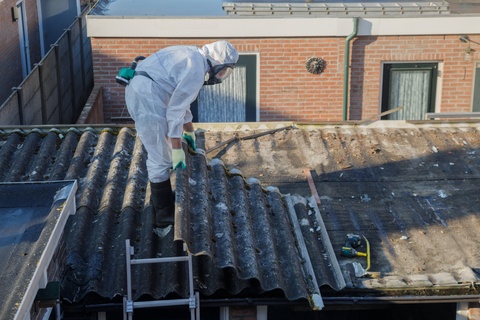
    New research shows that the number of US mesothelioma cases has not changed much in the last 50 years. It is likely that even more of those cases are related to asbestos exposure than current reports indicate.  Epidemiologists had predicted that the number of mesothelioma cases would decline after the government put asbestos regulations in place in the 1970s. But that has not happened. US mesothelioma cases have stayed steady at about 0.3 percent of all cancers.  At the same time, doctors do not always make the connection between the symptoms of mesothelioma and asbestos exposure, especially among women. Some patients may not even realize they were ever exposed.  As a result, some experts say the number of cases blamed…

  • Response to Chemotherapy in Mesothelioma Patients: Could This Protein Predict It?

    There is new evidence that a protein called Activin A could help predict response to chemotherapy in patients with malignant pleural mesothelioma. It may also make it easier for doctors to distinguish mesothelioma from benign lung tumors. Activin A influences many cellular processes. Among other things, it plays a role in cell proliferation, immune response, metabolism, and natural cell death.  FInnish researchers say mesothelioma patients with higher levels of Activin A in their blood are more likely to suffer from cachexia. Cachexia is weakness and wasting of the body due to chronic illness. High expressors of Activin A are also less likely to have a good response to chemotherapy.  Activin A and Mesothelioma Activin A is a member of the…

  • Screening for Mesothelioma: New French Tool May Help

    Researchers in France say they have come up with a highly accurate way of screening for mesothelioma and lung cancer.  A new study shows their method, which includes a job history, a questionnaire, and an in-person interview, is 100 percent accurate at identifying people with asbestos cancer. If it can be confirmed in a larger group of patients, the tool may allow for easier and earlier diagnostic screening for mesothelioma. The Challenge of Screening for Mesothelioma Malignant mesothelioma is a fast-growing cancer with a dismal prognosis. Earlier diagnosis might help, but the disease produces few symptoms until it is very advanced. By the time mesothelioma symptoms like chest pain and coughing appear, it is often too late for treatment to…

  • | | | | |

    Second-Line Treatment for Mesothelioma with Lurbinectedin

    Swiss researchers may have finally found an effective second-line treatment for mesothelioma.  Scientists with the Swiss Group for Clinical Cancer Research presented their findings at the recent European Society for Medical Oncology conference in Barcelona.  Mesothelioma patients who fail after first-line therapy have few options. The new study focused on lurbinectedin, a drug that impacts cancer cells at the DNA level. Early studies suggest lurbinectedin might make a good second-line treatment for small cell lung cancer.  According to the Swiss team, more than half of patients in their study responded to lurbinectedin as a second-line treatment for mesothelioma.  In Search of a Second-Line Mesothelioma Treatment Malignant mesothelioma is notoriously difficult to diagnose and even harder to treat. It is usually…

  • | | | |

    Peritoneal Mesothelioma Surgery with HIPEC Can Trigger Blood Cell Problems

    More than half of patients who have peritoneal mesothelioma surgery with HIPEC develop problems with their blood cells afterward. That’s the finding of a team of cancer researchers from Singapore.  The group analyzed 15 years worth of data on peritoneal mesothelioma surgery outcomes. They found that, even though the procedure saves lives, it can be risky.  Older patients and those who had prior chemotherapy were most likely to develop hematological toxicities after peritoneal mesothelioma surgery.  Hematological Toxicities and Mesothelioma Treatment Hematological toxicities are problems with the cells that make up the blood. This can include white blood cells, red blood cells, platelets, and proteins involved in bleeding and clotting.  Several drugs that kill mesothelioma cells can cause blood cell problems….

  • | | | |

    CRISPR Gene Editing Technique and the Future of Mesothelioma Treatment

    The powerful CRISPR gene editing technique might have a role to play in the future of mesothelioma treatment. CRISPR is a method for altering certain genes to help fight disease. This week, scientists at the University of Pennsylvania released data from the first study of CRISPR in US cancer patients.  It was only a safety study, but the results are promising. They could have wide-ranging implications for patients fighting aggressive cancers like malignant mesothelioma.  Modifying Genes To Help Fight Cancer The CRISPR gene editing technique is a simplified version of the method bacteria cells use to defend themselves against viruses. This antiviral defense system is called CRISPR-Cas9. The new Penn Medicine study involved just three cancer patients. Two of the…

  • | | |

    Mesothelioma Linked to Shipbuilding Finally Falling in the UK

    After decades of higher-than-normal rates of mesothelioma near dockyards, cases of mesothelioma linked to shipbuilding appear to be falling in the UK. The UK has one of the highest per capita rates of malignant mesothelioma in the world. A big part of that comes from the shipbuilding industry where asbestos was used extensively. Now, a new report suggests the scourge of mesothelioma linked to shipbuilding is finally beginning to taper off, even though deaths from mesothelioma have not.  Why is Mesothelioma Linked to Shipbuilding? Asbestos is a naturally-occurring mineral that is strong and impervious to heat and corrosion. That made it a good insulator and a choice building material for many decades. Unfortunately, asbestos is also highly toxic.  Before scientists…

  • | | | |

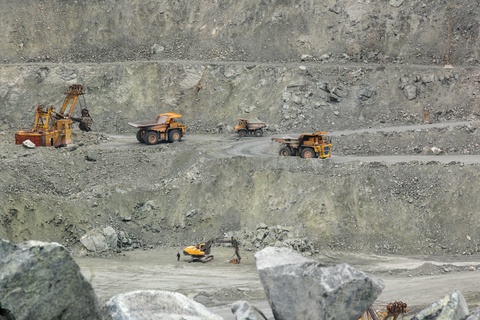
    History of Asbestos Mining Blamed for Mesothelioma Epidemic

    Residents of Western Australia are still paying the price for the history of asbestos mining in the region. A new report from the University of Western Australia focuses on people in the region of the now-closed Wittenoom asbestos mine.  The report blames the mine and its products for an “ongoing epidemic of mortality from lung cancer and malignant mesothelioma”.  Australia’s Sad History of Asbestos Mining Asbestos is a mineral once prized for its strength and abundance. It was used around the world in thousands of products, including many construction materials.  Australia has a long history of asbestos mining and exportation. The country was once one of the world’s top producers of asbestos. The Australian Blue Asbestos Company in Wittenoom was…

  • | | | |

    Supplement May Boost the Effectiveness of Mesothelioma Treatment

    A supplement that claims to increase oxygen in the tissues might boost the effectiveness of mesothelioma treatment.  That is the conclusion of researchers at Italy’s National Cancer Institute in Rome.  The group tested the supplement Cellfood (CF) on several types of cancer cells in the lab. They also gave the supplement to mice with implanted human mesothelioma tumors.  CF appeared to boost the effectiveness of mesothelioma treatment with radiation or chemoradiation.  What is Cellfood? Cellfood (Deutrosultazyme) is a nutraceutical produced by NuScience Corporation. A nutraceutical is a nutritional supplement that may function like a drug in some ways. According to NuScience, Cellfood contains colloidal minerals, amino acids, enzymes, and dissolved oxygen. Lab studies show that it has antioxidant effects and…

  • | |

    Accurate Diagnosis of Pleural Mesothelioma with History and Imaging Only

    Medical history and CT imaging may be enough to make an accurate diagnosis of pleural mesothelioma, even without a biopsy. That finding comes from a team of French and Canadian researchers led by Universite Laval in Quebec.  Biopsy is usually considered critical for accurate diagnosis of pleural mesothelioma. But the French and Canadian team says imaging studies may provide enough information to make a diagnosis.  This could be especially good news for people who are not healthy enough to undergo thoracoscopy. Pleural Mesothelioma Diagnostic Procedure: First Steps Pleural mesothelioma is the most common type of mesothelioma. Mesothelioma is an aggressive cancer that grows on the membranes around internal organs.  This cancer is rare and notoriously difficult to diagnose, especially in…