
Search Results for: epithelioid

  • | | | | | |

    Lower-Volume Centers Less Likely to Follow Mesothelioma Treatment Guidelines

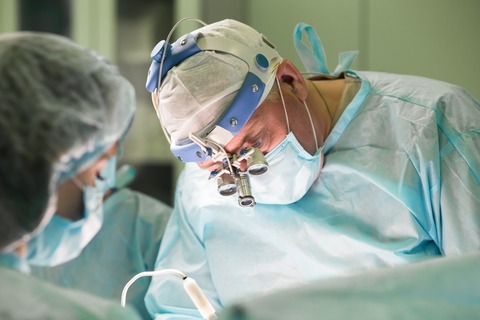
    Mesothelioma patients need to beware of low-volume centers that are less likely to follow mesothelioma treatment guidelines. That is the message from a new study based on data from the National Cancer Institute. The study was run by doctors at Cedars-Sinai Medical Center in Los Angeles. It shows that treatment centers that do not see a lot of mesothelioma cases are less likely to follow the life-saving mesothelioma treatment guidelines. As a result, patients treated in these lower-volume facilities tend to have shorter mesothelioma survival. What are the Mesothelioma Treatment Guidelines? Malignant pleural mesothelioma is a cancer that occurs on the membrane that surrounds the lungs. It is extremely rare and difficult to treat. Many hospitals and doctors never see…

  • | | | |

    Metastatic Mesothelioma: Does Chemotherapy Work?

    New research out of Pennsylvania suggested that not all people with metastatic mesothelioma will live longer with chemotherapy. Although chemotherapy is the primary treatment for malignant pleural mesothelioma, some types of metastatic mesothelioma appear to be less responsive than others. In some cases, the researchers say best supportive care may be a better option for preserving a patient’s quality of life. Three Mesothelioma Subtypes There are three histological subtypes of malignant pleural mesothelioma. The categories are based on how the cells look under a microscope. Cell type appears to influence how aggressive they are as metastatic mesothelioma. Cell type also factors into mesothelioma prognosis. Epithelioid mesothelioma is the most common cell type. Epithelioid cells tend to lack uniformity and may…

  • | | | |

    Needle Procedure Could Prevent Unneeded Surgery for Malignant Mesothelioma

    A minimally invasive method for cancer staging could prevent unnecessary surgery for malignant mesothelioma. The method involves putting a needle into the chest behind the breast bone. This area is called the mediastinum. The mediastinum contains critical lymph nodes. The presence or absence of cancer cells in these nodes can help determine whether a patient needs surgery for malignant mesothelioma. Now, a group of Canadian doctors say an ultrasound-guided needle biopsy procedure can provide as much information as more invasive options with less risk and pain. Staging Helps Direct Surgery for Malignant Mesothelioma Most mesothelioma patients receive chemotherapy. If the patient is healthy enough and the cancer has not spread, the patient may also have surgery for malignant mesothelioma. Some…

  • | | |

    Mesothelioma Survival Factors Revealed by New Study

    New research from the University of Pittsburgh reveals six primary mesothelioma survival factors. These characteristics appear to separate those who die of mesothelioma within just a few months from those who live much longer. The research focused on 888 cases of pleural or peritoneal mesothelioma listed in a national database. Patients received their mesothelioma diagnosis between 1990 and 2017. The study shows that most mesothelioma survival factors are out of patients’ control. Calculating Mesothelioma Survival Factors Not many people survive mesothelioma long term. It is one of the most aggressive and hard-to-treat types of cancer. By the time mesothelioma patients develop their first symptoms, the asbestos cancer is usually already at an advanced stage. Deciding the best way to treat…

  • | | |

    Who Survives Mesothelioma and Why?

    A new study of National Cancer Institute data aims to better understand who survives mesothelioma and why. Malignant mesothelioma is a highly aggressive cancer of internal membranes. Very few people diagnosed with mesothelioma live longer than 18 months. But researchers around the world are working to change those odds. One important step is to look at the characteristics of those who live longest with the asbestos cancer. NCI Data Shows Who Survives Mesothelioma Scientists at Mount Sinai Medical Center in New York turned to the National Cancer Institute database to get a better picture of who survives mesothelioma. The database contains information reported by mesothelioma doctors from around the country. It includes information about the ages, gender, lifestyle, mesothelioma type,…

  • | | | | |

    BAP1 Can Distinguish Mesothelioma from Other Conditions

    German scientists say a protein could help doctors distinguish mesothelioma from other conditions. Malignant mesothelioma is a cancer that grows on the membranes around organs. These membranes are called mesothelial membranes. But other conditions can also grow on mesothelial membranes. One of those conditions is adenomatoid tumors. Adenomatoid tumors are benign but, even under the microscope, their cells can look a lot like malignant mesothelioma. Now, a group of pathologists in Germany say the BAP1 protein can tell these two conditions apart. If doctors can distinguish mesothelioma from other conditions early enough, mesothelioma patients may have better outcomes. BAP1 Loss and Mesothelioma BAP1 is a protein encoded by the BAP1 gene. BAP1 is one of the proteins that helps keep…

  • | | | | |

    Researchers Name Six Top Mesothelioma Survival Factors

    Researchers at the University of Pittsburgh have named what they say are the top six mesothelioma survival factors. According to their new study, patients with one or more of these factors tend to have better mesothelioma treatment outcomes and live longer. Malignant mesothelioma – also called asbestos cancer – is one of the deadliest forms of cancer. It starts on internal membranes and spreads quickly. There is no cure and the disease is very hard to slow down. Many mesothelioma patients die within 12 to 18 months. But there are cases of much longer mesothelioma survival. Some patients have even lived for decades after mesothelioma treatment. The Pittsburgh researchers wanted to find the mesothelioma survival factors shared by the longest…

  • | | | | |

    Combination Therapy with Mesothelioma Surgery Leads to Longer Survival

    A new study finds almost a quarter of people who had combination therapy with mesothelioma surgery were still alive five years later. The study was published in the European Journal of Cardio-Thoracic Surgery. Researchers at University Hospitals KU Leuven in Belgium studied nearly 200 mesothelioma patients from 2003 to 2014. Many people do not live beyond about 18 months after a mesothelioma diagnosis. But the Belgian team says, for the right patients, there is a way to improve the odds. They say combination therapy with radical mesothelioma surgery offers a 1 in 4 chance of surviving for 5 years or more. Two Types of Mesothelioma Surgery There are two major schools of thought about mesothelioma surgery. Some surgeons say it…

  • Belgian Mesothelioma Survival Study

    A new Belgian mesothelioma survival study contains important insights for patients and doctors. Cancer center researchers did the study with data from the Belgian Cancer Registry. It includes more than 1400 patients. They received mesothelioma diagnosis between 2004 and 2012. The analysis is similar to past mesothelioma research. It shows the longest-surviving patients are the ones who have chemotherapy. Surgery patients also live longer. The third longer-living group are patients treated at experienced cancer centers. Mesothelioma Survival and Treatment The mesothelioma survival study asks what kinds of patients live longest and why. Researchers had to first see what treatments most patients receive. They found that most mesothelioma patients have chemotherapy. Chemotherapy usually includes pemetrexed (Alimta) and cisplatin. This is the…

  • | | | |

    When Chemotherapy Fails: Apatinib May Offer Third-Line Option for Mesothelioma Patients

    An investigational drug being developed in China may offer a third lifeline to mesothelioma patients whose cancer does not respond to other chemotherapy drugs. Apatinib, also called YN968D1, is a tyrosine kinase inhibitor that is thought to help prevent the formation of blood vessels that mesothelioma tumors need to grow and spread. Right now, there is no approved second-line treatment for pleural mesothelioma, let alone a third-line treatment. Chinese researchers at 363 Hospital in Cheng Du — along with mesothelioma patients around the world — are hoping that apatinib will change that. Mesothelioma Case Study The researchers are hanging their hopes on the case of a 58-year old woman who showed up at their hospital complaining that she had had…