|

Uncovering the Hidden Risks: Work-Related Cancers in Northern Africa

Uncovering the Hidden Risks: Work-Related Cancers in Northern Africa

Cancer is a major global health concern, with exposure at work being a significant cause. A new study by the Tunisian Institute of Occupational Health and Safety looks at work-related cancer cases from 2015 to 2020.

Understanding the impact

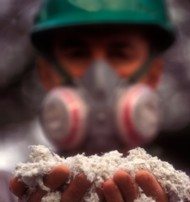
Certain jobs expose people to cancer risks, like mesothelioma, lung, and breast cancer. Mesothelioma is one of the world’s deadliest cancers. It is caused by breathing in or swallowing asbestos dust. This usually happens at work.

The dust may look harmless enough. But microscopic asbestos fibers are like shards of cancer-causing glass. They become embedded in the tissue and wreak havoc over time.

It can take decades for mesothelioma to develop after occupational asbestos exposure. But once it does, patients usually have less than a year to live. Some jobs are known to pose a mesothelioma risk.

This new study aims to understand these risks better, focusing on cases in North Africa. The study looked at seven cases, with an average patient age of 60 years. All patients were smokers, showing how work and lifestyle choices can combine to cause cancer.

Occupational Roles and Exposures

Patients in the study had different jobs, like miners and construction workers. All were exposed to harmful substances like silica, asbestos, solvents, and nickel for an average of 27 years.

Six patients had lung cancer, showing high risk in certain jobs. One had bladder cancer, highlighting the need for safety in all industries.

Symptoms appeared about 20 years after starting work, showing cancer can develop slowly. Detailed work histories revealed exposure to harmful substances on the job. This led to their classification as an occupational disease.

Implications for Prevention

This study shows how work can lead to lung and bladder cancer. More studies have shown similar results for mesothelioma. Preventive actions like protective gear and automating dangerous tasks are crucial.

This study gives insights into work-related cancers. Understanding these risks can help us prevent them, making work safer for everyone. Continued research and proactive measures are key to protecting workers’ health.

Source:

Nakhli, Rania, Nesrine Kammoun, Jihen Rejeb, Narjess Belhadj, Sonia Fehri, and Habib Nouaigui. “Epidemiological Insights into Occupational Cancers: A Five-Year Retrospective Analysis at the Tunisian Institute of Occupational Health and Safety.” Biomedicine & Healthcare Research 2, no. Issue 2 (January 31, 2024): 12–15. https://doi.org/10.5281/zenodo.10569982.


Similar Posts

  • |

    Mesothelioma Blood Test May Be Possible

    An international team of researchers is studying the proteins found on the surface of cancer cells in an effort to improve mesothelioma diagnosis. The team, made up of scientists from the US, Switzerland, Italy and Chile, has just published their findings on a new kind of test to identify protein-derived mesothelioma biomarkers in blood serum. Mesothelioma is an aggressive cancer of the membranes around organs. Because the most common mesothelioma biomarker, mesothelin, is also overproduced by other kinds of cancer cells, it has only limited diagnostic value. A test to identify a set of proteins produced specifically by mesothelioma cells could greatly improve diagnostic accuracy. Led by Ferdinando Cerciello and Bernd Wollscheid of the Institute of Molecular Systems Biology in…

  • | |

    Needle Biopsy “Simple, Safe & Accurate” for Mesothelioma

    Mesothelioma researchers in China say a biopsy method that involves a single skin puncture can produce good diagnostic results for mesothelioma patients with little pain or risk. The study focused on percutaneous (through the skin) biopsy in patients who had unexplained fluid buildup or swelling in their abdomens. Abdominal distension and fluid buildup (called ascites) can be signs of peritoneal mesothelioma, a rare but aggressive cancer of the abdominal lining caused by exposure to asbestos. Peritoneal mesothelioma accounts for less than 30% of all mesothelioma cases. Because the symptoms may be vague and often develop many decades after asbestos exposure, peritoneal mesothelioma can be especially challenging to diagnose.  Misdiagnosis and under-diagnosis are not uncommon. In the newest study on percutaneous…

  • |

    Mesothelioma Case Shows Danger of Accidental Asbestos Exposure

    A mesothelioma case in Birmingham, England is a dramatic illustration of the very real danger of hidden asbestos. The widow of a physician who died of mesothelioma last year at the age of 51 claims her husband was exposed to asbestos just walking to and from his medical classes. Monisha Coelho believes that exposed asbestos insulation in the underground hallways that connect the University of Birmingham to buildings on the Queen Elizabeth Hospital campus triggered Dr. Ian Pardoe’s mesothelioma. In an article in the Birmingham Mail, Coelho explained how her husband decided how and where the deadly exposure had occurred. “Ian thought long and hard about where he might have come into contact with asbestos,” Coelho told the paper. “He…

  • | |

    Inflammation Both “Friend and Foe” in Mesothelioma

    An immune system response that causes mesothelioma symptoms such as fever, fatigue, and weight loss may also be helpful to clinicians as a way to find and treat the disease. Scientists with The Asbestos Diseases Research Institute in Sydney, Australia make that case that both systemic inflammation (throughout the body) and at the site of a tumor – has long been associated with mesothelioma and other cancers. Inflammation results when the body attempts to address the imbalances of cancer by producing more of certain immune system cells. Some inflammatory markers, such as CD+8 T-cells and C-reactive protein, have been linked to better prognosis in mesothelioma. Other inflammatory markers, such as certain macrophages and a high neutrophil-to-lymphocyte ratio, can signal the…

  • |

    Short-term Asbestos Exposure Triggers Mesothelioma

    The recent death of a British man from mesothelioma is evidence of the destructive power of asbestos – even when exposure is short.  A British newspaper reports that Welwyn resident Roger Beale first began experiencing a classic symptom of mesothelioma, shortness of breath, nearly 4 years ago. Beale first noticed the problem while walking up stairs. After a chest X-ray, Beale’s symptoms were attributed to a chest infection.  But when his symptoms continued to worsen, Beale sought medical care again in January, 2010 and was diagnosed with pleural mesothelioma, an intractable cancer of the lung lining that is almost always caused by exposure to asbestos. By November of 2010, Beale’s shortness of breath had gotten worse, despite regular monitoring and…

  • | |

    FDG PET-CT Results Could Lead to Improved Mesothelioma Treatment

    In a recent study, researchers say a better understanding of certain diagnostic criteria could result in more targeted treatments for malignant mesothelioma. In a recent published report, doctors from the medical school at Dicle University in Diyarbakir, Turkey measured the relationship between PET-CT scan results and survival in 177 patients with malignant pleural mesothelioma. The patients were diagnosed between April 2007 and April 2011. They had a mean age of 55.4 and most (56%) were male. Patients in the study all had FDG PET-CT scans before beginning their mesothelioma treatment. FDG PET-CT scanning is a powerful imaging tool for mesothelioma and other cancers that combines a radioactive tracer with a combination of positron emission tomography and computed tomography scanning.  Because…