Author: Alex Strauss

  • | | | | | | | | | |

    Best New Hope for Mesothelioma Diagnosis and Treatment in 2016

    Living with malignant mesothelioma can be an emotional roller coaster. On one hand, the prognosis for mesothelioma patients remains relatively poor, in spite of intense research going on around the globe. On the other hand, new studies released within the past year indicate that 2016 could be the most hopeful year yet for mesothelioma sufferers and their families. Potential New Mesothelioma Drug While Alimta (pemetrexed) remains the only medication that is FDA-approved specifically for pleural mesothelioma treatment, other new drugs are showing encouraging results. One of those is the monoclonal antibody Keytruda (pembrolizumab) which is designed to block a cell surface protein called PD-1. This protein is believed to be expressed by up to 40 percent of mesothelioma tumors. In…


  • | | | | | |

    BAP1 Gene Mutation and Mesothelioma Prognosis

    Mesothelioma patients with a certain kind of hereditary gene mutation may have better survival odds than mesothelioma patients without this familial cancer link. Having a mutation in the BAP1 tumor suppressor gene is known to increase a person’s chances of developing malignant mesothelioma and several other cancers. But researchers at Wake Forest University School of Medicine and the Fox Chase Cancer Center say there may be an upside in terms of mesothelioma prognosis for people with this genetic anomaly.  What is BAP1 Mutation? The BRCA1 associated protein 1 (BAP1) gene is responsible for producing a protein that helps suppress the growth of tumors. When the BAP1 gene is mutated, and that damage is passed from parent to child, the child…

  • | | | | | | |

    What We Can Learn from Mesothelioma Trends in Australia

    New data out of Australia is revealing some important trends in the incidence and survivability of malignant mesothelioma. The good news is that researchers from the University of Sydney and the Cancer Institute of New South Wales say the number of mesothelioma cases in the country may finally have peaked. Unfortunately, most mesothelioma patients still face an uphill battle, despite treatment advances. History of Mesothelioma in Australia Mesothelioma is a deadly lung-related cancer closely linked with asbestos exposure. Pleural mesothelioma, the most common type, occurs in the lining around the lungs while peritoneal mesothelioma affects the lining of the abdomen. Thousands of people who used to work in Australia’s large asbestos mines have since been diagnosed with mesothelioma, resulting in…

  • | | | | | |

    Mesothelioma Risk is Higher Near Natural Asbestos

    There is more evidence that where you live affects your risk of contracting deadly malignant mesothelioma. A recent study conducted by a team of Turkish researchers found that people who live closest to naturally-occurring asbestos – especially if they live downwind of it – are more likely than the general public to receive a mesothelioma diagnosis. Asbestos in the Environment Asbestos is a mineral that is found in the soil. For years it was mined for use in manufacturing and construction products ranging from insulation to concrete, wallboard, and even flame retardant Christmas decorations. It was not until the 1960s that companies started to publically acknowledge that asbestos is also the number one cause of mesothelioma. Scientists discovered that when…

  • Olive Leaf Compound Could Lead to New Mesothelioma Treatment

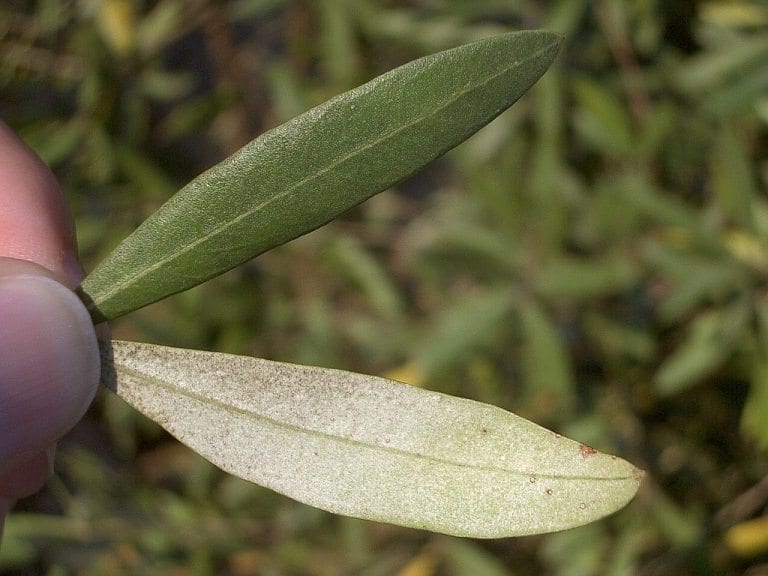
    A compound derived from the leaves of olive trees may offer a new way to treat malignant mesothelioma, a deadly lung-related cancer caused by asbestos exposure. Right now, there is no cure for mesothelioma, although many different treatment possibilities are being investigated around the globe. One of them is oleuropein, a compound found in the olive leaf. Scientists in Italy believe that oleuropein may disrupt the ability of mesothelioma cells to perform basic functions necessary for life and growth. What is Oleuropein? Oleuropein is a phenylethanoid that is found in the leaves of olive trees and is what gives olive oil its bitter taste. It is also one of the main natural oils found in argan oil. Although oleuropein has been…

  • Uncovering the Genetic Roots of Mesothelioma

    A team led by one of the world’s top mesothelioma researchers may have uncovered a way to diagnose mesothelioma and certain other cancers earlier by identifying people at high genetic risk. Dr. Michele Carbone, a University of Hawaii cancer researcher known for his studies of mesothelioma genetics in Turkish families, says many American mesothelioma patients can trace their disease to a common ancestor from the 1700s. Using a combination of genetic and genealogic research data, Carbone and his colleagues have come up with a method to identify and monitor high-risk people with the goal of improving  mesothelioma outcomes. Genes and Mesothelioma Risk Mesothelioma is an extremely rare and deadly cancer that is almost always caused by exposure to asbestos. However, scientists…

  • | | | | | | |

    Mesothelioma Survival Statistics From the SEER Database

    A new analysis of the National Cancer Institute’s large SEER cancer database has some good news and some bad news for mesothelioma patients and their families. The bad news is that mesothelioma survival has essentially remained flat over the past four decades. The good news, however, is that certain characteristics improve a mesothelioma patient’s chances of a positive treatment response. Mesothelioma and the SEER Database The NCI’s Surveillance, Epidemiology, and End Results (SEER) program collects statistics on many types of cancer, including malignant pleural mesothelioma. The information can be used to aid researchers in their search for new treatments and cures. There are more than 14,000 mesothelioma patients represented in the SEER database which includes mesothelioma cases from as far back…

  • | | | | | | | |

    Biomarkers for Mesothelioma Diagnosis and Prognosis

    Identifying mesothelioma biomarkers may be the key to diagnosing the asbestos cancer earlier and determining the most effective mesothelioma treatments. Biomarkers are biological signposts found in tissue, blood, lung fluid, etc., that clinicians can use to guide them in treating mesothelioma patients and predicting mesothelioma outcomes. In a recent article in the journal Future Oncology, a team of Italian researchers review some of the most important new and emerging biomarkers for mesothelioma and how they could potentially help patients who are battling the disease.  Mesothelioma Biomarkers for Diagnosis According to Paolo Vigneri with the Department of Clinical and Experimental Medicine at the University of Catania, a protein called mesothelin remains the primary biomarker for diagnosing malignant pleural mesothelioma. Although healthy…

  • | | | | | |

    Mesothelioma Survival with Conservative Surgery

    Yet another new study appears to support the idea that lung sparing pleurectomy/decortication surgery should be the preferred surgical approach for patients with malignant pleural mesothelioma. Researchers in the UK and Italy have recently published data on 362 mesothelioma patients undergoing either extended P/D or the more radical lung-removing extrapleural pneumonectomy between 1999 and 2014. Their goal was to determine what effect a medical center’s transition from EPP to extended P/D would have on mesothelioma outcomes. History of Mesothelioma Surgery For many years, lung-removing EPP surgery was the preferred approach for optimizing mesothelioma survival in both the UK and the US. But new studies in recent years have cast doubt on the effectiveness of this approach since it carries such…

  • | | | | |

    Mesothelioma Treatment Outcomes in a Low Volume Center

    Is it safe to have cytoreductive surgery and intraoperative chemotherapy for mesothelioma in a center that does not do a lot of these procedures? Previous studies have suggested that the best outcomes in pleural mesothelioma treatment are found in centers that do the highest volume of mesothelioma surgeries. But a new report from a group of cancer doctors in Italy suggests that mesothelioma surgery can be done effectively, even in a small medical center with fewer mesothelioma patients. Cytoreductive Mesothelioma Surgery Mesothelioma patients in the new study underwent a combination of pleurectomy/decortication surgery and hyperthermic intrapleural chemotherapy (HITHOC) to treat their mesothelioma. Pleurectomy/decortication involves the removal of the diseased pleural lining and other tissues that are at risk for the spread…