| | |

Osteopontin and Mesothelioma: Unraveling the Connection

Osteopontin and Mesothelioma: Unraveling the Connection

Scientists in Italy found that a protein called osteopontin is important to the growth of mesothelioma.

Mesothelioma is a cancer that is caused by exposure to asbestos. It most often develops in the lungs or abdominal cavity.

Mesothelioma is rare, with only 2,000 cases in the United States each year. The disease occurs more often in men than women. It can take decades after asbestos exposure for symptoms of the cancer to start affecting a patient.

Mesothelioma is often difficult for doctors to treat. They usually create treatment plants that involve surgery, chemotherapy, and radiation. But there is still much that we do not know about mesothelioma, including the best ways to shrink tumors and improve survival.

Key Protein in Mesothelioma Growth

In a study soon to be published in Frontiers in Immunology, scientists wanted to better understand how the cancer progresses. They focused on a protein called osteopontin and whether it could be found in tumor samples from mesothelioma patients.

The scientists found that more osteopontin could be found in tumors compared to normal tissues. It was mainly created by mesothelioma cells. The levels of osteopontin in the blood were also higher in mesothelioma patients and linked to a worse prognosis.

However, when mesothelioma patients were treated with immunotherapy, the levels of osteopontin did not change very much. It didn’t change even in some patients who showed a partial response to the treatment.

This was an interesting finding. So the scientists conducted some experiments on mesothelioma cells from mice. They discovered that turning off the gene for osteopontin reduced tumor growth in mice.

Based on these results, scientists believe that osteopontin causes mesothelioma cells to grow. By stopping the creation of osteopontin in cancer cells, doctors could slow down the growth of tumors in mesothelioma patients. These results have the potential to improve the effectiveness of treatments for mesothelioma.

Source:

Digifico E, Erreni M, Mannarino L, et al. Important functional role of the protein Osteopontin in the progression of malignant pleural mesothelioma [published online ahead of print, 2023 May 29]. Front Immunol. 2023;14. Doi: https://www.frontiersin.org/articles/10.3389/fimmu.2023.1116430/abstract


 

Similar Posts

  • |

    Ape Virus Shrinks Mesothelioma Tumors in Lab

    A virus that causes leukemia in gibbon apes may have the power to help fight malignant mesothelioma in people. Gibbon ape leukemia virus (GALV) has been tested for years as a viral vector, a carrier of therapeutic genetic information, in the treatment of various human illnesses, including cancer. A new study in Japan compared GALV with a leukemia virus derived from mice to see which carrier communicated most efficiently with mesothelioma cells. While both types of viruses replicated in most of the mesothelioma cell lines tested, the mouse-derived virus was not effective in a mesothelioma cell line called ACC-MESO-1. In this cell line, only the GALV spread efficiently both in culture and in mice that had been given human mesothelioma…

  • |

    Mesothelioma Blood Test May Be Possible

    An international team of researchers is studying the proteins found on the surface of cancer cells in an effort to improve mesothelioma diagnosis. The team, made up of scientists from the US, Switzerland, Italy and Chile, has just published their findings on a new kind of test to identify protein-derived mesothelioma biomarkers in blood serum. Mesothelioma is an aggressive cancer of the membranes around organs. Because the most common mesothelioma biomarker, mesothelin, is also overproduced by other kinds of cancer cells, it has only limited diagnostic value. A test to identify a set of proteins produced specifically by mesothelioma cells could greatly improve diagnostic accuracy. Led by Ferdinando Cerciello and Bernd Wollscheid of the Institute of Molecular Systems Biology in…

  • | |

    Micro-RNAs May Offer New Way to Fight Mesothelioma

    Scientists at one of the world’s top mesothelioma research centers, the Asbestos Diseases Research institute in Sydney, Australia, say that restoring the expression of certain micro RNAs in the cells of mesothelioma patients may offer a new way to fight the disease. A microRNA is a small RNA molecule which is involved in the regulation of gene expression. According to a new report in the Annals of Oncology, the Australian scientists found reduced expression of the micro RNA-15 family (miR-15/16) in the cells of mice with mesothelioma. “When malignant pleural mesothelioma cell lines were compared with the normal mesothelial cell line MeT-5A, the downregulation of miR-15/16 was 2- to 10-fold,” they report. This finding is consistent with previous cancer research…

  • | |

    Needle Biopsy “Simple, Safe & Accurate” for Mesothelioma

    Mesothelioma researchers in China say a biopsy method that involves a single skin puncture can produce good diagnostic results for mesothelioma patients with little pain or risk. The study focused on percutaneous (through the skin) biopsy in patients who had unexplained fluid buildup or swelling in their abdomens. Abdominal distension and fluid buildup (called ascites) can be signs of peritoneal mesothelioma, a rare but aggressive cancer of the abdominal lining caused by exposure to asbestos. Peritoneal mesothelioma accounts for less than 30% of all mesothelioma cases. Because the symptoms may be vague and often develop many decades after asbestos exposure, peritoneal mesothelioma can be especially challenging to diagnose.  Misdiagnosis and under-diagnosis are not uncommon. In the newest study on percutaneous…

  • | |

    Treatment Uses Herpes Virus to Shrink Mesothelioma Tumors

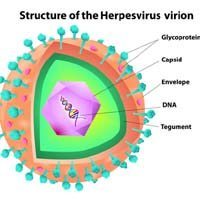
    Researchers at a hospital in Sheffield, England are testing a potential new mesothelioma treatment based on the same virus that causes herpes. The small-scale trial is the first in the world to test the modified herpes simplex virus, HSV1716, in human mesothelioma patients. HSV1716 has been genetically engineered to infect and kill cancer cells without harming healthy cells. In laboratory studies on mesothelioma and some other cancers, it has been shown to be effective at shrinking tumors while causing limited toxicity. Just as significantly, HSV1716 increased survival rates among mice with various human cancers. The Phase I/II trial at Sheffield Experimental Cancer Medicine Centre is the next stage in development of HSV1716 as a viable mesothelioma treatment. The goal of…

  • | |

    New Mesothelioma Drug Kills Cancer Stem Cells

    Citing “significant enthusiasm within the mesothelioma community”, the manufacturers of a promising new mesothelioma drug say they have begun a major test of the drug in patients. Massachusetts-based Verastem, Inc. focuses on drugs that fight cancer by attacking the stem cells that give rise to them. Earlier this summer, the FDA granted orphan drug status to their stem cell inhibitor, defactinib, for the treatment of mesothelioma. The designation, which is reserved for drugs that fight the rarest of diseases, helps pave the way for testing and faster approval, depending on the results of clinical trials. “Development of a drug that preferentially kills cancer stem cells is a promising approach, as many standard-of-care treatments have been shown to either have no…