| | | | |

Asbestos-Contaminated Insulation May Raise Mesothelioma Risk for Homeowners
People who live in houses with loose-fill asbestos insulation may be up to five times more likely to eventually develop deadly malignant mesothelioma.

That is the finding of a 30-year Australian study of more than a million people in the Australian Capital Territory (ACT), where asbestos-containing insulation had been used in some houses.

The study found that, not only do residents of asbestos-insulated homes have a higher mesothelioma risk, but their chances of getting several others types of cancer were also elevated.

Mesothelioma Risk Among People Who Live with Asbestos Insulation

Researchers with the National Centre for Epidemiology and Population Health at Australian National University and the Australian Institute of Health and Welfare at the University of Canberra used the national Medicare database to identify 1,035,578 ACT residents.

The team then determined that 17,248 (2%) of these residents had lived in a home containing loose-fill asbestos insulation.  Seven of the 285 people diagnosed with mesothelioma had lived in one of these homes.

Although the numbers may sound small, lead researcher Rosemary J Korda, PhD, with Australian National University says they are significant.

“The adjusted incidence of mesothelioma in males who had lived at an affected property was 2·5 times that of unexposed males,” writes Dr. Korda in The Lancet Public Health. Interestingly, no cases of malignant mesothelioma were identified in women who had lived in affected homes.

These women did, however, face a higher risk of colorectal cancer. Men who had lived in these homes were also more likely to be diagnosed with prostate cancer.

Korda and her colleagues conclude that residential asbestos insulation “is likely to be unsafe” and say their findings have “important health, social, financial, and legal implications for governments and communities in which asbestos has been used to insulate houses.”

Mesothelioma Diagnosis and Asbestos-Contaminated Insulation

Public health experts have long warned about the dangers of handling or otherwise disturbing loose-fill insulation that might contain asbestos. But few studies have attempted to quantify the mesothelioma risk of having lived in a house with this insulation.

Unfortunately, the danger is not confined to Australia. Asbestos-contaminated vermiculite insulation was common the US (under the brand name Zonolite) until the 1990s when the Libby Mine where it was sourced was closed.

Tens of thousands of homes and public buildings still contain asbestos-contaminated insulation which may be raising the likelihood of a mesothelioma diagnosis for people who live in them.

Identifying Insulation Which May Raise Mesothelioma Risk

Asbestos exposure  is the primary cause of both pleural and peritoneal mesothelioma worldwide. Usually,, that exposure happens at work.

In general, asbestos insulation is not considered a danger until it begins to break down and turn to dust. When that happens, even something as simple as putting a nail in a wall or hanging a light fixture can release potentially deadly asbestos dust.

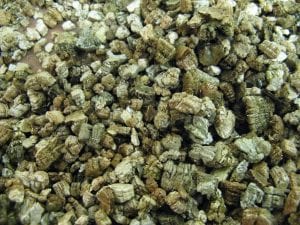
Vermiculite insulation is in the form of tiny pellets and is typically grey-brown or silver-gold. Unlike puffy types of insulation, it lays flat and firm in the joist cavity.

Homeowners who suspect that their loose-fill insulation may contain asbestos should seek professional help to isolate or remove it in order to minimize the risk for malignant mesothelioma and other health problems.

Source:

Korda, RJ, “Risk of cancer associated with residential exposure to asbestos insulation: a whole-population cohort study”, November 2017, Lancet Public Health

Wallender, Lee, “How to Identify Dangerous Asbestos Insulation”, February 2, 2017, TheSpruce.com

Similar Posts

  • |

    Mesothelioma Still Rising Despite Ban in Ireland

    A study in Ireland confirms that it can take many years for a ban on asbestos to have a measurable impact on a country’s rates of malignant mesothelioma. Mesothelioma is the most serious of a list of diseases – including lung cancer, pleural plaques, asbestosis, and others – linked with exposure to asbestos dust. Affecting the linings around the lungs and other organs, mesothelioma is often resistant to most cancer treatments and may be fatal within a year of diagnosis. According to the International Ban Asbestos Secretariat, Ireland is one of 55 countries that have enacted some type of asbestos ban. However, although Ireland banned asbestos in 2000, a new study published in Cancer Epidemiology shows that incidence of the…

  • |

    Website Aims to Protect Homeowners from Mesothelioma

    Australia’s Cancer Council is trying to educate home renovators about their risk for mesothelioma with a new e-learning course. Australia has one of the highest per capita rates of mesothelioma in the world, largely because of several asbestos mining operations that were once located there. Although asbestos has been banned from building products in Australia since 1989, asbestos-linked diseases like mesothelioma, lung cancer, and asbestosis continue to pose a serious health concern. While mesothelioma has traditionally occurred among people exposed to asbestos on the job, Australia is now bracing for another “wave” of mesothelioma victims among homeowners who encounter asbestos while doing their own renovation projects. Cancer Council Australia has launched “kNOw asbestos in your home” in an effort to…

  • | | |

    Mesothelioma Nurses Ready for New Cases in Australia

    Australia is bracing for an expected new wave of mesothelioma cases in the next decade and the Lung Foundation of Australia is taking action now to get ready. The Foundation has paid for ten nurses from around the country to receive specialized training in helping patients and families cope with mesothelioma. The nurses, who have recently completed the training, are now equipped to lead treatment planning for these complex cancer patients and to help other nurses do the same. Pleural mesothelioma is an aggressive cancer that occurs in the lining around the lungs. It is caused by exposure to asbestos dust, a toxin that was once alarmingly prevalent in Australia where it was mined and heavily used in construction. Because…

  • | |

    Spanish Mesothelioma Deaths Likely to Continue for Decades

    New research in Spain suggests that mesothelioma deaths will continue in the country until the “last surviving member” of the group of people exposed to occupational asbestos succumbs to the disease. Like many countries, Spain used asbestos heavily in the first half of the 20th century, especially in construction, where the mineral was prized for its durability, low cost, and resistance to fire and corrosion.  Asbestos was banned in Spain in 2002. Observing that more than 2.5 million metric tons of asbestos were imported into Spain from 1906 to 2002, researchers say deaths from mesothelioma have risen steadily. Between 1976 and 1980, a total of 491 Spanish people died of mesothelioma. By the 5-year period from 2006 to 2010, that…

  • |

    Mesothelioma Case Shows Danger of Accidental Asbestos Exposure

    A mesothelioma case in Birmingham, England is a dramatic illustration of the very real danger of hidden asbestos. The widow of a physician who died of mesothelioma last year at the age of 51 claims her husband was exposed to asbestos just walking to and from his medical classes. Monisha Coelho believes that exposed asbestos insulation in the underground hallways that connect the University of Birmingham to buildings on the Queen Elizabeth Hospital campus triggered Dr. Ian Pardoe’s mesothelioma. In an article in the Birmingham Mail, Coelho explained how her husband decided how and where the deadly exposure had occurred. “Ian thought long and hard about where he might have come into contact with asbestos,” Coelho told the paper. “He…

  • | | |

    Human Trials Planned for Promising New Mesothelioma Drug

    The Australian Asbestos Diseases Research Institute says it is ready to begin human trials on what its lead researcher calls the first significant advance in mesothelioma treatment in a decade. More than three years in development, TargomiRs utilizes a unique ‘minicell’ delivery system to insert a synthetic form of missing genetic material into mesothelioma cells. Like a number of other types of cancer, mesothelioma cells are missing a family of microRNAs critical to regulating the cellular life cycle. TargomiRs restores these microRNAs. In mice with human-derived mesothelioma, TargomiRs produced a “remarkable inhibition of tumour growth”, according to the Asbestos Diseases Research Institute. “The last significant development in the treatment of mesothelioma occurred ten years ago,” ADRI director Nico van Zandwijk…