Author: Alex Strauss

  • | |

    Aspirin Derivative No Match for Mesothelioma

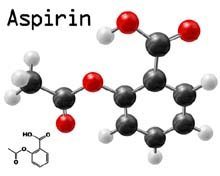
    It may work wonders for aches and pains but apparently the ‘wonder drug’ is no match for the asbestos-linked cancer, malignant mesothelioma. A number of previous studies have suggested a benefit from aspirin for some types of cancer. But Italian scientists testing the aspirin derivative [2-acetoxy-(2-propynyl) benzoate] hexacarbonyldicobalt (Co-ASS) and its analogue hexacarbonyl [μ-(2-ethylphenyl) methanol] dicobalt (Co-EPM) against malignant pleural mesothelioma cells found that both molecules function better as non-steroidal anti-inflammatory (NSAID) agents than as anti-tumor drugs. The researchers tested Co-ASS and Co-EPM against mesothelioma cells of both the more common epithelioid and rarer sarcomatoid types. The most encouraging results were seen with the sarcomatoid cells. Against this cell type, Co-ASS was found to be more potent than either Co-EPM or…


  • Immunotherapy Drug May Be Option for Advanced Mesothelioma

    Advanced malignant mesothelioma patients who have not responded to standard chemotherapy may have an alternative in a new drug called tremelimumab. An open-label, single-arm, phase 2 trial of the drug has found it to be safe and tolerable and to have “encouraging clinical activity” in advanced malignant mesothelioma that cannot be surgically removed. Tremelimumab is a monoclonal antibody that acts on a particular downregulator of the immune system called cytotoxic T-lymphocyte antigen 4 (CTLA4). The goal of tremelimumab is to inhibit the immune system tolerance to tumors, which tends to allow them to grow unchecked. When CTLA4 is reactivated with a drug like tremelimumab, it regains its ability to attack tumors. The new published study on tremelimumab for mesothelioma was…

  • | |

    Mesothelioma Surgery May Have Added Benefit

    Cancer researchers at Wake Forest University have found another benefit to the cytoreductive surgery (CRS) and hyperthermic intraperitoneal chemotherapy (HIPEC) combination used to treat peritoneal mesothelioma and other abdominal cancers: the control of fluid buildup. Fluid accumulation in the abdomen because of peritoneal mesothelioma or another type of cancer is known as ascites. Left untreated, ascites can cause bloating, discomfort, disfiguration, and shortness of breath when it interferes with the movement of the diaphragm. While patients with peritoneal mesothelioma, an aggressive cancer of the peritoneal surface, can have this fluid drained off, it often reaccumulates. But the new Wake Forest research suggests that CRS/HIPEC may offer a more permanent solution. Fifteen percent of the cancer patients in the study had…

  • | |

    Treatment Uses Herpes Virus to Shrink Mesothelioma Tumors

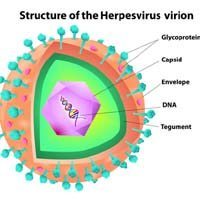
    Researchers at a hospital in Sheffield, England are testing a potential new mesothelioma treatment based on the same virus that causes herpes. The small-scale trial is the first in the world to test the modified herpes simplex virus, HSV1716, in human mesothelioma patients. HSV1716 has been genetically engineered to infect and kill cancer cells without harming healthy cells. In laboratory studies on mesothelioma and some other cancers, it has been shown to be effective at shrinking tumors while causing limited toxicity. Just as significantly, HSV1716 increased survival rates among mice with various human cancers. The Phase I/II trial at Sheffield Experimental Cancer Medicine Centre is the next stage in development of HSV1716 as a viable mesothelioma treatment. The goal of…

  • | |

    New Mesothelioma Drug Kills Cancer Stem Cells

    Citing “significant enthusiasm within the mesothelioma community”, the manufacturers of a promising new mesothelioma drug say they have begun a major test of the drug in patients. Massachusetts-based Verastem, Inc. focuses on drugs that fight cancer by attacking the stem cells that give rise to them. Earlier this summer, the FDA granted orphan drug status to their stem cell inhibitor, defactinib, for the treatment of mesothelioma. The designation, which is reserved for drugs that fight the rarest of diseases, helps pave the way for testing and faster approval, depending on the results of clinical trials. “Development of a drug that preferentially kills cancer stem cells is a promising approach, as many standard-of-care treatments have been shown to either have no…

  • | |

    Inflammation Both “Friend and Foe” in Mesothelioma

    An immune system response that causes mesothelioma symptoms such as fever, fatigue, and weight loss may also be helpful to clinicians as a way to find and treat the disease. Scientists with The Asbestos Diseases Research Institute in Sydney, Australia make that case that both systemic inflammation (throughout the body) and at the site of a tumor – has long been associated with mesothelioma and other cancers. Inflammation results when the body attempts to address the imbalances of cancer by producing more of certain immune system cells. Some inflammatory markers, such as CD+8 T-cells and C-reactive protein, have been linked to better prognosis in mesothelioma. Other inflammatory markers, such as certain macrophages and a high neutrophil-to-lymphocyte ratio, can signal the…

  • The Debate On Mesothelioma Surgery – New Studies

    While debate continues among the world’smesothelioma experts on which type of surgery is best, two new studies have added their findings to the pool of research on the topic. Malignant pleural mesothelioma is a virulent cancer of the two-layered lining (pleura) that surrounds the lungs. Although it can take many years to develop, once it does, mesothelioma tends to spread quickly. The pleura may become thick and stiff as the cancer grows and fluid can develop between the layers, impeding the patient’s ability to breath. Mesothelioma can also spread to the diaphragm or the surface of the lungs and even into the lung tissue and can travel to other parts of the body via the lymphatic system. There are two major…

  • | |

    Mesothelioma Study Finds New Treatment Target

    Immunotherapy, which involves reprogramming T-cells to find and attack cancer cells, is one of the fastest-growing areas of cancer research. One of the biggest challenges of immunotherapy is how to harness the power of T-cells against cancer without also turning them against healthy cells. A new study conducted in Switzerland and published in the Journal of Translational Medicine addressed the problem by reprogramming T-cells to recognize and attack mesothelioma cells that express a specific protein. Fibroblast Activation Protein (FAP) is expressed on the surface of tumor-associated fibroblast cells which are found in the connective tissue of mesothelioma tumors. FAP is also found in mesothelioma cells and may play a role in the start of cancer, as well as the growth…

  • |

    Mesothelioma Rates Expected to Rise for Another Decade

    Most developed countries can expect another decade or more of rising mesothelioma rates before the incidence of the disease starts to wane. That is one of the major findings in a recent report from The Baird Institute for Applied Heart and Lung Surgical Research in Australia. The report, which looked at the causes, distribution and projected future incidence of malignant mesothelioma, contains both good and bad news for the U.S.. Mesothelioma is an aggressive and often fatal cancer caused by exposure to asbestos.  It is thought to be triggered by chronic inflammation and irritation in the lung tissue and the surrounding pleural membrane by the sharp asbestos fibers.   Mesothelioma often takes decades to develop. According to the Baird Institute report, the average…

  • |

    AIDS Activist Sasser Dies of Mesothelioma

    Sean Sasser, who first came to attention as the boyfriend of MTV star Pedro Zamora in 1994, has died of mesothelioma at the age of 44. Sasser was not a full cast member of MTV’s popular The Real World: San Francisco but Zamora, one of the first openly-gay men on American television, was. Their televised marriage ceremony in 1994 became what CNN calls “a landmark moment in TV history”.  After Zamora died of AIDS a year later, Sasser went on to become an outspoken AIDS activist and a notable pastry chef. Sasser himself had lived with AIDS for more than 25 years. He was diagnosed with Stage IV mesothelioma in June, following a blood test which revealed an “abnormality”. Mesothelioma,…