| |

Humor Helps Stressed Veteran Mesothelioma Caregivers
Humor Helps Stressed Veteran Mesothelioma Caregivers

Mesothelioma, the asbestos-caused cancer, has a high symptom burden in British military veterans. There is little research on what it is like to live with mesothelioma as a veteran. Or what it is like for veteran mesothelioma caregivers.

New research has been published in the journal of Illness, Crisis & Loss on this topic. The article highlights how veterans and their families cope with the stress of the disease.

Asbestos Exposure in the British Military

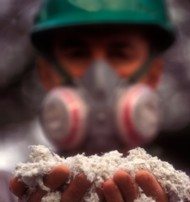
Malignant mesothelioma is a disease linked to asbestos exposure. Asbestos exposure in the British Armed Forces has been documented. Many were exposed in damaged buildings during conflict and aid delivery.

Mesothelioma is often diagnosed in older people, and survival rates are poor. Symptoms first appear after a long latency period of 20 to 50 years. There is often a rapid advancement of the disease after late-stage diagnosis. The largest group of military members diagnosed with mesothelioma is veterans.

In advanced disease, symptoms become serious and are often difficult to control. Recent medical advances have provided more treatment options. Yet, it can still be very difficult for the patient and their caregiver. British veterans with asbestos exposure during service can apply for an enhanced pension.

Understanding the Stressed Caregivers

Not much is known about the lived experience of mesothelioma. A new study looked at the mental health of caregivers of veterans with mesothelioma.

Veteran caregivers are 2.5 times more likely than civilians to care for a spouse. And veteran caregivers caring for a veteran were three times more likely to do so.

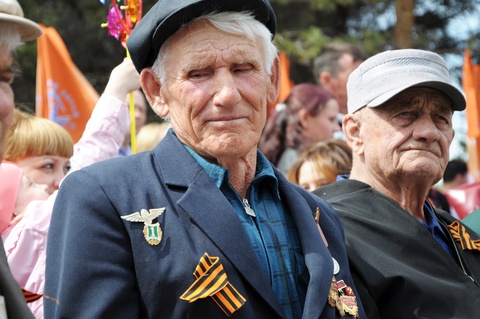
Virginia Sherborne, from the Health Sciences School, writes that the “Military culture impacted both patients and caregivers.” Many older British veterans can experience social isolation. And veterans may show a greater reluctance to seek medical treatment. This is often due to a strong sense of self-sufficiency and pride.

A veteran’s reluctance to seek help often impacts their family and caregivers. Many patients in the study did not want the caregiver to tell others about their illness. This put a lot of pressure on the caregiver to manage alone. This greatly impacts the caregiver’s health and burden.

Informal caregivers often have elevated levels of depression, anxiety, and traumatic stress. Relationships can become strained between the caregiver and the patient.

Recommending a Sense of Humor

Research recommends a sense of humor. Humor is highly valued in the British Armed Forces. Humor helps soldiers, and military patients, face danger. It also helps to build group bonding and human relationships.

Humor can help with a sense of camaraderie. And it can reduce frustration and help both the patient and their caregiver to reframe stressful situations. But there is a warning. Humor can also create more barriers by masking veterans’ support needs.

Caregivers of veteran patients often went ‘the extra mile.’ But this also included not asking for help when they reached a crisis point. The military aspect of caring for, and caring about, mesothelioma patients is unique. More support is needed for British military veterans and their caregivers.

Source:

Sherborne, Virginia, Angela Tod, and Bethany Taylor. “The Psychological Effects of Mesothelioma in the UK Military Context From the Carer’s Perspective: A Qualitative Study.” Illness, Crisis & Loss (2022): 10541373221122964. https://journals.sagepub.com/doi/abs/10.1177/10541373221122964

Similar Posts

  • |

    Mesothelioma Still Rising Despite Ban in Ireland

    A study in Ireland confirms that it can take many years for a ban on asbestos to have a measurable impact on a country’s rates of malignant mesothelioma. Mesothelioma is the most serious of a list of diseases – including lung cancer, pleural plaques, asbestosis, and others – linked with exposure to asbestos dust. Affecting the linings around the lungs and other organs, mesothelioma is often resistant to most cancer treatments and may be fatal within a year of diagnosis. According to the International Ban Asbestos Secretariat, Ireland is one of 55 countries that have enacted some type of asbestos ban. However, although Ireland banned asbestos in 2000, a new study published in Cancer Epidemiology shows that incidence of the…

  • | |

    Spanish Mesothelioma Deaths Likely to Continue for Decades

    New research in Spain suggests that mesothelioma deaths will continue in the country until the “last surviving member” of the group of people exposed to occupational asbestos succumbs to the disease. Like many countries, Spain used asbestos heavily in the first half of the 20th century, especially in construction, where the mineral was prized for its durability, low cost, and resistance to fire and corrosion.  Asbestos was banned in Spain in 2002. Observing that more than 2.5 million metric tons of asbestos were imported into Spain from 1906 to 2002, researchers say deaths from mesothelioma have risen steadily. Between 1976 and 1980, a total of 491 Spanish people died of mesothelioma. By the 5-year period from 2006 to 2010, that…

  • |

    Mesothelioma Case Shows Danger of Accidental Asbestos Exposure

    A mesothelioma case in Birmingham, England is a dramatic illustration of the very real danger of hidden asbestos. The widow of a physician who died of mesothelioma last year at the age of 51 claims her husband was exposed to asbestos just walking to and from his medical classes. Monisha Coelho believes that exposed asbestos insulation in the underground hallways that connect the University of Birmingham to buildings on the Queen Elizabeth Hospital campus triggered Dr. Ian Pardoe’s mesothelioma. In an article in the Birmingham Mail, Coelho explained how her husband decided how and where the deadly exposure had occurred. “Ian thought long and hard about where he might have come into contact with asbestos,” Coelho told the paper. “He…

  • |

    Short-term Asbestos Exposure Triggers Mesothelioma

    The recent death of a British man from mesothelioma is evidence of the destructive power of asbestos – even when exposure is short.  A British newspaper reports that Welwyn resident Roger Beale first began experiencing a classic symptom of mesothelioma, shortness of breath, nearly 4 years ago. Beale first noticed the problem while walking up stairs. After a chest X-ray, Beale’s symptoms were attributed to a chest infection.  But when his symptoms continued to worsen, Beale sought medical care again in January, 2010 and was diagnosed with pleural mesothelioma, an intractable cancer of the lung lining that is almost always caused by exposure to asbestos. By November of 2010, Beale’s shortness of breath had gotten worse, despite regular monitoring and…

  • |

    Mesothelioma: Surveillance May Reveal Unexpected Exposure Risks

    Researchers say continual surveillance for incidents of mesothelioma in the population can turn up some unexpected sources of asbestos exposure, including the home. Asbestos is the primary cause of mesothelioma, a virulent cancer that attacks the linings around organs and can quickly become debilitating. Most mesothelioma patients were first exposed to asbestos on the job, either in construction or in an industrial setting. For decades, asbestos was used in multiple building products and various insulating materials for its strength and heat resistance. But the job site is not the only place where people might encounter asbestos, as Italian researchers found out when they analyzed nationwide mesothelioma data.  Their study, the results of which were recently published in the medical journal Epidemiology and…

  • |

    Wind and Weather Impacts Mesothelioma Rate

    People who live downwind from an industrial asbestos source are at much higher risk of developing pleural mesothelioma, according to a new study. Researchers in Barcelona, Spain analyzed 24 cases of pleural mesothelioma diagnosed between 2000 and 2009 near the town of Catalonia. For 90 years, this area of Barcelona was home to a fibrous cement factory where asbestos was used. Because asbestos dust is very light, it does not dissipate in the air quickly. When a person inadvertently inhales or ingests it, the tiny fibers lodge in the tissues and can cause health problems such as mesothelioma even decades later. Although the plant closed in 1997, the rate of mesothelioma in the region continues to be high. To test whether…