diagnosis

  • | | |

    Staging of Mesothelioma Could Change with Discovery of New Lymph Nodes

    A recent discovery at the University of Maryland could dramatically change how doctors handle the staging of malignant pleural mesothelioma. More accurate staging could lead to better mesothelioma treatment outcomes and longer survival. More than three quarters of people diagnosed with mesothelioma have the pleural variety. Pleural mesothelioma is the deadliest form of asbestos cancer. Most patients do not live longer than 18 months, even with aggressive treatment. Cancer staging is the process doctors use to determine how advanced the cancer is. Staging of mesothelioma is important because it directly impacts treatment decisions. But staging of mesothelioma – just like diagnosis and treatment – can be difficult. Lymph Nodes May Help in Staging of Mesothelioma The discovery was made by…

  • | | | |

    Early Detection of Mesothelioma with MicroRNAs

    A new study appears to contradict some of what scientists thought they knew about early detection of mesothelioma. Malignant mesothelioma is a rare but highly aggressive cancer. It usually happens because of past asbestos exposure. Early detection of mesothelioma is key to improving survival. But it is notoriously hard to make a mesothelioma diagnosis. Many patients who have mesothelioma do not even know it until the cancer is in its advanced stage. As a result, most do not live more than a year. Some studies have suggested that tiny, non-coding bits of RNA could help doctors detect mesothelioma earlier. But new research in Germany brings that idea into question. Biomarkers for Early Detection of Mesothelioma MicroRNAs (miRNAs) play an important…

  • | | | | | |

    Talc Pleurodesis Patients Need Alternate PET/CT Scan for Mesothelioma

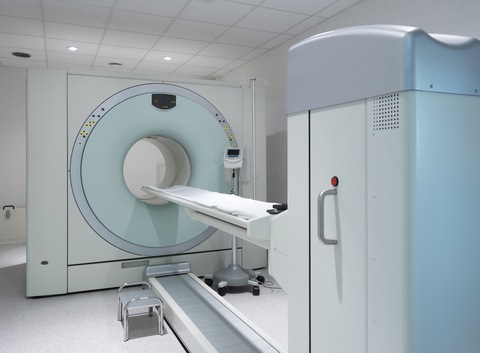
    Certain patients may get more benefit out of an alternate type of PET/CT scan for mesothelioma. Positron emission tomography (PET) is a common tool for diagnosing mesothelioma. It is also used to monitor the effectiveness of mesothelioma treatments. Doctors often combine PET with computed tomography (CT) for an even clearer picture of mesothelioma progression. Typically, a PET/CT scan for mesothelioma involves injection of a tracer called FDG (fluorodeoxyglucose). But it turns out that PET/CT scans with this tracer do not work well for all mesothelioma patients. A new Japanese study suggests that mesothelioma patients who have had a procedure called talc pleurodesis should consider a different kind of PET/CT scan instead. How Does Talc Pleurodesis Impact PET/CT Scan for Mesothelioma?…

  • | | | | |

    BAP1 Can Distinguish Mesothelioma from Other Conditions

    German scientists say a protein could help doctors distinguish mesothelioma from other conditions. Malignant mesothelioma is a cancer that grows on the membranes around organs. These membranes are called mesothelial membranes. But other conditions can also grow on mesothelial membranes. One of those conditions is adenomatoid tumors. Adenomatoid tumors are benign but, even under the microscope, their cells can look a lot like malignant mesothelioma. Now, a group of pathologists in Germany say the BAP1 protein can tell these two conditions apart. If doctors can distinguish mesothelioma from other conditions early enough, mesothelioma patients may have better outcomes. BAP1 Loss and Mesothelioma BAP1 is a protein encoded by the BAP1 gene. BAP1 is one of the proteins that helps keep…

  • | | | | | |

    New Study Could Lead to a Mesothelioma Breath Test

    A large new study now underway may eventually make it possible to create a mesothelioma breath test. Cancer Research UK has launched a two-year clinical trial of the Breath Biopsy. The Breath Biopsy is a device that detects molecules exhaled by people with cancer. The Need for Early Mesothelioma Detection Malignant mesothelioma is one of the deadliest types of cancer. Most people who get mesothelioma have been exposed to asbestos. By the time they receive a diagnosis, many mesothelioma patients have advanced disease. Late diagnosis is one of the main reasons people with mesothelioma often die within a year. When mesothelioma cancer is in an advanced stage, it is less likely to respond to treatment. Scientists around the world are…

  • | | | | |

    Japanese Discovery Could Lead to New Mesothelioma Blood Test

    A discovery in Japan could lead to a more effective mesothelioma blood test for mesothelioma diagnosis. Japanese scientists say they have found a better way to detect mesothelioma cells in the blood.  The scientists are experts in occupational health. Malignant mesothelioma is an occupational cancer because people can get it from working near asbestos. Mesothelioma diagnosis is challenging. But a powerful mesothelioma blood test could make it easier to find the asbestos cancer earlier. Treatment often works better when patients start it earlier. Circulating Tumor Cells in the Blood of Mesothelioma Patients No matter what kind of cancer a person has, their tumor releases some cells into the blood. Mesothelioma tumors are no exception. These circulating tumor cells (CTCs) are…

  • | | | | |

    Best Tools for Measuring Mesothelioma Treatment Response

    When it comes to evaluating treatment response in mesothelioma, functional imaging techniques may do a better job than standard imaging. That is the word from a team of UK researchers who compared different types of imaging techniques in the evaluation of pleural mesothelioma patients for an article in the journal Lung Cancer. Imaging Techniques for Mesothelioma Tumors Functional imaging, which includes techniques like positron emission tomography (PET), dynamic contrast-enhanced MRI, and diffusion-weighted MRI, are designed to tell doctors more than just the size or shape of the mesothelioma tumor. By using certain kinds of injectable tracers, these imaging studies reveal important information about cellular processes like metabolism, which is typically higher in mesothelioma cells than it is in normal cells. “By…

  • | | | | |

    Gene Test May Lead to More Accurate Mesothelioma Diagnosis

    Could the BRCA-1 associated protein 1 (BAP1) gene offer a more accurate way to identify malignant pleural mesothelioma? New research in Italy suggests that the answer might be yes. Mesothelioma is a cancer that occurs in the cells of the mesothelium, a membrane that surround the lungs and other organs. Because there are also benign conditions that can effect mesothelial cells and cause similar symptoms, mesothelioma is often difficult to identify. To date, there are no definitive biomarkers, though the list of markers that can help with diagnosis and prognosis is growing. In the latest biomarker study, researchers in Italy evaluated BAP1 expression in 266 patients with different mesothelial conditions. A total of 212 patients had mesothelioma, 12 had benign…

  • | | | | | | |

    Genetic Mutation Improves Mesothelioma Survival Odds

    Another new study has been released that supports the idea that mesothelioma patients who are missing the tumor suppressor called BAP1 are more likely to survive longer than those who have intact BAP1 genes. The BRCA-1-associated protein 1 (BAP1) gene is located on the chromosome 3p21. Because the job of BAP1 is to help suppress cancer, a mutation that causes this gene to be inactive raises the risk that a person could get mesothelioma or another cancer. BAP1 loss has also been associated with increased risk of skin cancer, renal cell cancer and some lung and breast cancers. But there appears to be an upside to BAP1 loss. Data published in the journal Pathology suggests that mesothelioma patients with BAP1…

  • | | | | |

    A Better Way to Diagnose Mesothelioma?

    New research suggests there may be a less invasive way to accurately diagnose malignant pleural mesothelioma. Right now, the gold standard for mesothelioma diagnosis is examination of suspected tumor cells under a microscope. To get those cells, doctors have to perform either an open surgery called thoracotomy or a less invasive operation called thoracoscopy using smaller incisions and a camera for guidance. But biomedical engineers at Carnegie Mellon University in Pittsburgh say analyzing cells in the fluid around the lungs may be just as effective. Unlike diagnostic methods that use tissue samples, the pleural fluid method requires only a thoracentesis, or removal of a sample of lung fluid using a needle. To maximize the diagnostic power of fluid samples, the…