| |

Understanding Treatment Options for Malignant Pleural Mesothelioma

Understanding Treatment Options for Malignant Pleural Mesothelioma Malignant pleural mesothelioma is a rare type of cancer and standard therapies are limited. Therefore, most patients consider one or more of three treatment options. These paths use different types of therapies and they are usually not exclusive. Mesothelioma patients can move from one type to another and, if their doctors agree, can sometimes use them in combination.

A new publication gives an overview of the best treatment options currently available for malignant pleural mesothelioma.

Standard therapies include chemotherapy, radiation, and surgery. If more than one of these therapies is used it is may be called multi-modality therapy. Oncologists are the doctors who provide chemo and radiation. Of course, surgeons provide surgeries.

Understanding the Mesothelioma Diagnosis

Malignant pleural mesothelioma is a rare type of cancer. It has a rising incidence which will continue worldwide until around 2030. Malignant pleural mesothelioma patients often face a poor prognosis. Many have only 4 to 12 months of survival after diagnosis if untreated. Most treatments aim to improve the patient’s quality of life and prolong survival.

Malignant pleural mesothelioma is caused by exposure to asbestos. The discovery of asbestos exposure causing malignant pleural mesothelioma was in 1960. Yet, it took several decades to reduce global asbestos use and exposure.

Asbestos was often used as a cheap and fire-resistant material for building construction. Many governments now prohibit the use of asbestos. But it is still used in developing countries. Almost 80% of all mesothelioma patients have a history of asbestos exposure.

There are three major subtypes of malignant pleural mesothelioma. The most common epithelial type affects almost 50% of patients. The sarcomatoid type is more aggressive and affects 16% of patients. The mixed/biphasic type affects 34% of patients.

Doctors use a surgical or tissue biopsy to identify a patient’s mesothelioma type. Type identification is very important for the choice of the right treatment options.

Mesothelioma Treatment Options

Surgical removal of the mesothelioma tumor is one treatment option. Surgery helps with both therapeutic and diagnostic purposes. Of all the conventional therapies surgery, alone or in combination with chemotherapy is considered the most effective standard therapy. Most surgeries for mesothelioma are complex and invasive. Therefore, if a surgery is contemplated it is important to get the best and most experienced mesothelioma surgeon you can find.

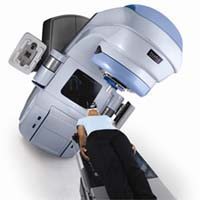
Radiation therapy (RT) is seldom used alone in the treatment of mesothelioma. Today, RT is usually part of a multi-modality therapy used with chemotherapy and/or surgery. It is used in adjuvant, neoadjuvant, and palliative settings. But this treatment option is limited by the proximity of the tumor to organs at risk.

When surgery is not a good option, there is a combination of nivolumab and ipilimumab. This is a first-line therapy treatment that is FDA-approved. This treatment is best for the sarcomatoid and biphasic subtypes. The epithelioid type has a benefit from nivolumab and ipilimumab as well. But the advantage is not as strong.

Chemotherapy is a common treatment option. Patients may have chemotherapy alone or in combination with other treatment options. The most common is pemetrexed-based chemotherapy combined with cisplatin. Since chemotherapy for mesothelioma consists of essentially the same drugs across the country, the chemo a mesothelioma patient receives in California will probably be exactly the same as what is administered to a similar patient in New York or anywhere else in the U.S.

Alternative modalities can go by a number of different names: alternatives, holistic medicine, integrative medicine, complementary. At its core, alternative modalities use a different paradigm from conventional treatment options and most clinical trials. Whereas, standard therapies seek to kill mesothelioma cancer cells, alternative modalities seek to harness the body’s immune system and other facilities to either eliminate the cancer or stop it from growing and spreading. Alternative modalities include vitamin therapy, herbs, detoxification, dietary therapy, mind-body medicine, Traditional Chinese Medicine, cannabis oil, and others.

Source:

Sandach, Patrick, Robert Seifert, Wolfgang P. Fendler, Hubertus Hautzel, Ken Herrmann, Sandra Maier, Till Plönes, Martin Metzenmacher, and Justin Ferdinandus. “A Role for PET/CT in response assessment of malignant pleural mesothelioma.” In Seminars in Nuclear Medicine. WB Saunders, 2022. https://doi.org/10.1053/j.semnuclmed.2022.04.008

Similar Posts

  • | |

    Doctors Describe "Concrete Therapeutic Approach" for Mesothelioma

    A team of medical researchers in Italy have achieved what they are calling “excellent” tumor control and survival results in malignant pleural mesothelioma patients using a combination of surgery, chemotherapy, and radiotherapy. Caused by exposure to asbestos, mesothelioma typically spreads quickly across the lung-encasing membrane called the pleura. There is no known cure but treatments are improving. In the current prospective study, 20 malignant pleural mesothelioma patients underwent radical pleurectomy/decortication followed by high doses of radiation. After surgeons removed as much of the visible mesothelioma tumor and surrounding tissue as possible, patients received 50Gy of radiation to the effected side of their chest, delivered in 25 fractions. Regions of particular concern for mesothelioma regrowth got an extra radiation “boost” to…

  • | |

    Does Radiotherapy Reduce Mesothelioma Pain?

    A new study says there is not enough evidence to support the use of radiotherapy for the treatment of pain associated with malignant pleural mesothelioma. Researchers at the University of Edinburgh in Scotland reviewed a range of past studies on mesothelioma pain and radiotherapy by searching databases that date back as far as 1974. To be eligible to be included in their review, the study had to focus on malignant pleural mesothelioma and radiotherapy given “with the intent of improving pain”. The study also had to report doses and fractionation of the radiotherapy and how the pain responded. In all, the researchers found eight studies on mesothelioma pain and radiotherapy that met the criteria. Two of the studies were prospective…

  • | |

    Radiotherapy for Mesothelioma: Better But Still Limited

    A form of highly-targeted radiation therapy for mesothelioma is better than it used to be, but is still risky. That is the message of a recent article on intensity-modulated radiation therapy (IMRT) in Seminars in Thoracic and Cardiovascular Surgery. Author Kenneth E. Rosenzweig, MD, a Radiation Oncologist with Mount Sinai Hospital in New York, reviewed recent studies on IMRT and mesothelioma. He concludes that, while the “troubling toxicity” associated with IMRT when it was first introduced has not been entirely eliminated, the fact that clinicians now have more experience with it is making a positive difference for mesothelioma patients. Before targeted therapies like IMRT were available, high-dose radiation was not usually a feasible option for mesothelioma since the irregular shape…

  • | |

    A Second-Line Option for Mesothelioma?

    Although survival was not significantly extended, the chemotherapy drug vinorelbine might be a treatment option for mesothelioma patients whose cancer has returned after first-line chemotherapy with pemetrexed. A new study on vinorelbine as a second-line treatment finds that the drug is “moderately active” in mesothelioma patients who were initially treated with pemetrexed-based chemotherapy. Pemetrexed (Alimta), along with a platinum-based drug like cisplatin, is the primary first-line drug therapy for mesothelioma. But vinorelbine is gaining attention as a possible option for mesothelioma, in part because it is available in a less expensive generic form. In “Vinorelbine in pemetrexed-pretreated patients with malignant pleural mesothelioma”, the Italian authors detail the results of their study on 59 patients with unresectable pleural mesothelioma.  These patients…

  • |

    Chemical in Wine May Improve Mesothelioma Treatment

    There’s new evidence that a compound found in red wine may help improve the effectiveness of chemotherapy treatment for malignant pleural mesothelioma. Last year, a team of Korean researchers released the world’s first study on the mesothelioma-fighting power of resveratrol, a natural phenol derived from the skin of red grapes and found in red wine and grape juice. Now, the same team says resveratrol also appears to enhance the chemosensitivity of malignant mesothelioma cells. Study author Yoon-Jin Lee and colleagues discovered  a synergistic cancer-fighting effect in mesothelioma cells treated with both resveratrol and clofarabine, a prescription drug often used to treat acute lymphoblastic leukemia. Together, resveratrol and clofarabine “induced a strong cytotoxic effect” by influencing levels of the tumor suppressor,…

  • | |

    Repeat HIPEC Improves Mesothelioma Survival

    If one cytoreductive surgery and HIPEC procedure for mesothelioma is good, subsequent treatments may be even better. That is the central message of research conducted at the Moffitt Cancer Center in Florida. The study’s aim was to assess overall survival among peritoneal mesothelioma patients who had not just one, but two or more rounds of heated intraperitoneal chemotherapy (HIPEC) after cytoreductive surgery. The cytoreduction/HIPEC approach has become popular for peritoneal mesothelioma, a treatment-resistant cancer of abdominal membranes caused by asbestos. Cytoreductive surgery involves removing as much of the mesothelioma tumor as possible from the abdomen. Because the shape and spreading pattern of mesothelioma tumors make complete cytoreduction difficult, the surgery is often followed by a rinse with a heated solution…