Author: Alex Strauss

  • |

    Factors Predict Long-Term Survival After Mesothelioma Surgery

    Two thoracic surgeons from Glenfield Hospital in Leicester, England have come up with a list of factors they say can be used to predict long term survival in mesothelioma patients who undergo radical surgery. Noting that the factors predicting poor outcomes from mesothelioma surgery have already been determined, Drs. Apostolos Nakas and David Waller say their goal was to determine the predictors of positive surgical outcomes. The two retrospectively reviewed the records of 252 patients diagnosed with malignant pleural mesothelioma, a virulent form of cancer caused by asbestos inhalation. The epithelioid variety of mesothelioma was identified in 193 of the tested patients. The rest had the rarer biphasic type. There are two major types of radical surgery for pleural mesothelioma…


  • | |

    Test May Distinguish Mesothelioma from Benign Conditions

    One of the biggest challenges for patients and clinicians dealing with malignant pleural mesothelioma is just getting a definitive diagnosis. Although mesothelioma is closely associated with asbestos, symptoms may not show up until decades after exposure, making it difficult to link the cause and effect. When symptoms such as chest pain and shortness of breath do occur, they are often attributed to other, less serious causes. But a recent article in Lung Cancer focuses on a promising new way to help distinguish mesothelioma from other conditions with similar characteristics. Researchers at the University of Chicago and cancer centers in the UK, France, and Japan say a glucose transport protein called GLUT-1 was present in half of the epithelioid mesothelioma cells…

  • | |

    Improved Mesothelioma Survival with Surgery/Radiation Combo

    A cancer center in Canada is reporting a 3-year survival rate among 84% of their epithelial mesothelioma patients – a statistic that is significantly better than average. Malignant pleural mesothelioma is an especially aggressive cancer and the median survival with standard therapies is a little over a year. Doctors at Princess Margaret Cancer Centre in Toronto achieved much better odds using a combination of pre-surgery (neoadjuvant) intensity-modulated radiation therapy (IMRT) and extrapleural pneumonectomy (EPP). EPP is the most radical surgical approach to mesothelioma. It involves removing not only the diseased pleural lining, but also the diaphragm, the pericardium around the heart, and the effected lung. The new Canadian study involved 25 patients with malignant pleural mesothelioma diagnosed between 2008 and…

  • | |

    Rise in Asbestos Claims Not Hurting James Hardie’s Bottom Line

    Australian construction company James Hardie says a rise in mesothelioma claims from former workers exposed to asbestos on the job is not affecting its bottom line. The company recently released its semi-annual profit statement to the Australian stock exchange. The report shows that James Hardie has doubled its profits from the first half of 2013, despite the fact that the number of mesothelioma-related asbestos claims has risen above company expectations. Company profits were reported to be $108.3 million from April to September. Quoted in the Sydney Morning Herald, James Hardie CFO Russell Chenu said, “We have seen some concerning trends in mesothelioma claims, which we have highlighted previously. We’ve now got a better handle on the ‘what’ and the ‘how’,…

  • |

    Mesothelioma Treatment May Get a Boost from Pineapple Enzyme

    There’s new evidence that an enzyme found in pineapples may make peritoneal mesothelioma cells more susceptible to the toxic effects of chemotherapy. Mesothelioma is an aggressive malignancy with a poor prognosis, largely due to the fact that standard treatments, including chemotherapy, are not usually very effective. The pineapple-derived enzyme bromelain has been shown in previous studies to have a negative impact on breast and pancreatic cancer cells. Now, Australian researchers have found that it may also be toxic to peritoneal mesothelioma cells, especially when used along with the drug cisplatin. Bromelain works against cancer by breaking down a protein called MUC-1. Found in several different mesothelioma cell lines, MUC-1 helps cancer cells invade, spread and withstand the toxic effects of…

  • |

    Bill Will Support Firefighters with Mesothelioma

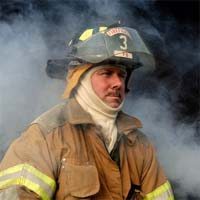
    A New Hampshire legislator is pushing to fund a mandate that would help support firefighters who contract malignant mesothelioma. A U.S. Fire Administration/National Institute for Occupational Safety and Health (NIOSH) study of nearly 30,000 firefighters released last October found that firefighters are diagnosed with mesothelioma at twice the rate of the general public. This is believed to be due to their inadvertent on-the-job exposure to asbestos, the cause of mesothelioma. According to the report, “Given that asbestos is the only known causal agent for malignant mesothelioma, and firefighter exposures are probable, the excess is likely to be a causal association.” A group called the Professional Fire Fighters of New Hampshire has worked with State Representative Laura Pantelokas, D-Portsmouth, to introduce…

  • |

    Mesothelioma Still Rising Despite Ban in Ireland

    A study in Ireland confirms that it can take many years for a ban on asbestos to have a measurable impact on a country’s rates of malignant mesothelioma. Mesothelioma is the most serious of a list of diseases – including lung cancer, pleural plaques, asbestosis, and others – linked with exposure to asbestos dust. Affecting the linings around the lungs and other organs, mesothelioma is often resistant to most cancer treatments and may be fatal within a year of diagnosis. According to the International Ban Asbestos Secretariat, Ireland is one of 55 countries that have enacted some type of asbestos ban. However, although Ireland banned asbestos in 2000, a new study published in Cancer Epidemiology shows that incidence of the…

  • | |

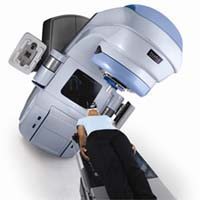
    Does Radiotherapy Reduce Mesothelioma Pain?

    A new study says there is not enough evidence to support the use of radiotherapy for the treatment of pain associated with malignant pleural mesothelioma. Researchers at the University of Edinburgh in Scotland reviewed a range of past studies on mesothelioma pain and radiotherapy by searching databases that date back as far as 1974. To be eligible to be included in their review, the study had to focus on malignant pleural mesothelioma and radiotherapy given “with the intent of improving pain”. The study also had to report doses and fractionation of the radiotherapy and how the pain responded. In all, the researchers found eight studies on mesothelioma pain and radiotherapy that met the criteria. Two of the studies were prospective…

  • |

    Website Aims to Protect Homeowners from Mesothelioma

    Australia’s Cancer Council is trying to educate home renovators about their risk for mesothelioma with a new e-learning course. Australia has one of the highest per capita rates of mesothelioma in the world, largely because of several asbestos mining operations that were once located there. Although asbestos has been banned from building products in Australia since 1989, asbestos-linked diseases like mesothelioma, lung cancer, and asbestosis continue to pose a serious health concern. While mesothelioma has traditionally occurred among people exposed to asbestos on the job, Australia is now bracing for another “wave” of mesothelioma victims among homeowners who encounter asbestos while doing their own renovation projects. Cancer Council Australia has launched “kNOw asbestos in your home” in an effort to…

  • |

    Ape Virus Shrinks Mesothelioma Tumors in Lab

    A virus that causes leukemia in gibbon apes may have the power to help fight malignant mesothelioma in people. Gibbon ape leukemia virus (GALV) has been tested for years as a viral vector, a carrier of therapeutic genetic information, in the treatment of various human illnesses, including cancer. A new study in Japan compared GALV with a leukemia virus derived from mice to see which carrier communicated most efficiently with mesothelioma cells. While both types of viruses replicated in most of the mesothelioma cell lines tested, the mouse-derived virus was not effective in a mesothelioma cell line called ACC-MESO-1. In this cell line, only the GALV spread efficiently both in culture and in mice that had been given human mesothelioma…