Author: Alex Strauss

  • | |

    New Compound Proves Effective Against Mesothelioma in Mice

    Japanese researchers believe they have found a powerful new compound to fight the aggressive cancer –malignant pleural mesothelioma. The team at the National Institute of Advanced Industrial Science and Technology in Tokyo have had success using a novel therapeutic compound called JBIR-23 in mice. JBIR-23 is a natural compound first derived from the bacteria Streptomyces sp. AK-AB27 in 2008.  In laboratory test tube studies, its unique chemical structure appears to have a cytotoxic effect on mesothelioma cells and promote apoptosis (cell death). When the compound was tested on mice with mesothelioma, the effect was the same.  JBIR-23 appears to prevent the further growth of the tumor, without loss of weight or other observable side effects. The news is promising in light…

  • | |

    Light Treatment for Mesothelioma May Get Special Status

    A cutting edge treatment that uses light to kill cancer cells could soon be more widely available for mesothelioma patients. The makers of Photofrin (porfimer sodium), a drug used in photodynamic therapy, have filed for Orphan Drug designation with the FDA. An ‘orphan drug’ is classified as one developed to treat a disease affecting fewer than 200,000 Americans. Although orphan drugs must meet the same FDA standards as other drugs for safety and efficacy, their special classification can help move them to market sooner by offering tax incentives and relaxing some of the testing requirements, such as a the number of patients needed for clinical trials. Orphan drug designation for Photofrin could offer another treatment option for mesothelioma patients. Caused…

  • |

    Mesothelioma Prognosis Accuracy Improves with PET/CT ‘Delayed Phase’

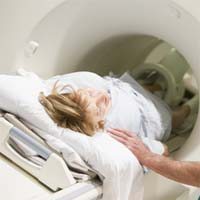
    More research has confirmed the value of FDG-PET/CT technology for predicting treatment response in mesothelioma – especially when the scan is conducted in two phases. Positron emission tomography (PET) is a nuclear medicine imaging technique that produces three-dimensional images of functional processes in the body.  When the molecule FDG (fluorodeoxyglucose, a type of sugar) is used as the tracer, PET allows doctors to ‘see’ metabolic processes as they are happening.  Because metabolism is often higher in cancer cells, FDG-PET has proven to be a useful tool for diagnosing mesothelioma, the asbestos-linked cancer.   When FDG-PET is combined with computed tomography (CT), another powerful imaging test, the resulting images contain even more potentially crucial diagnostic, staging and prognostic information for mesothelioma. Now, a study conducted in Japan…

  • | |

    Royals Address Mesothelioma Risk at Home

    Once widely used as a building material and insulator, asbestos has been linked to a range of health problems including asbestosis, lung cancer, and mesothelioma, a cancer of the lung lining that can spread quickly. Great Britain has one of the highest per capita rates of mesothelioma in the world with an estimated 4,000 deaths from the disease each year. By contrast, about 2,500 people die of mesothelioma in the U.S. Though asbestos use is now banned in new construction in Great Britain, the BBC has reported that as many 500,000 commercial and residential properties still contain the substance, including the apartment at Kensington Palace where the young Duke and Duchess of Cambridge, Prince William and Kate Middleton, plan to…

  • |

    Outlook Better for Women with Peritoneal Mesothelioma

    Women with diffuse malignant peritoneal mesothelioma have a better chance of success with surgery and chemotherapy than their male counterparts. That is the conclusion of researchers at the Baird Institute for Applied Heart and Lung Surgical Research in Sydney, Australia.  Using the records of 294 peritoneal mesothelioma patients treated at multiple institutions in the past two decades, the researchers set out to measure the impact of gender on overall survival after treatment. Peritoneal mesothelioma is a type of mesothelioma that spreads quickly across the mesothelial lining of the abdomen. Asbestos exposure is its only known cause. Because of the aggressive nature of the disease, mesothelioma is typically treated using a multi-modal approach. The subjects of the Australian study had all been…

  • | |

    Order May Impact Mesothelioma Drug Availability

    Mesothelioma patients on certain types of chemotherapy drugs may have easier access to their treatment in the wake of an executive order from President Obama. The President is calling on the Food and Drug Administration (FDA) to “take action” to combat shortages of certain critical medications. On the list of drugs in dwindling supply is the chemotherapy drug cisplatin, one of the most commonly-used drugs to treat mesothelioma. Mesothelioma is a rare but deadly form of cancer triggered by asbestos exposure that affects an estimated 2,500 Americans each year. Cisplatin, in combination with pemetrexed (Alimta) is the FDA approved first line treatment for malignant pleural mesothelioma. At a news conference in Washington last week, Health and Human Services Secretary Kathleen…

  • | |

    Mesothelioma Radiation ‘Boost’: A Surgical Alternative?

    For mesothelioma patients who are not candidates for surgery, new research suggests that an escalated dose of radiotherapy in the right place may help slow the cancer’s progression. Mesothelioma, a cancer of the lining around the lungs and other organs, is hard to treat with traditional therapies in part because of its atypical configuration. The cancer tends to spread across the thin, membranous tissue of the mesothelium in a ‘sheet’ formation, rather than a solid mass. The odd shape of mesothelioma tumors not only makes them difficult to remove surgically, but can also make them challenging to treat with radiation without harming vital organs beneath such as the lungs. But a group of radiology researchers in Milan, Italy found that,…

  • |

    Cell Proteins May Predict Mesothelioma Prognosis

    A cell protein devoted to regulating water transport and another related to DNA replication could be important keys to improved mesothelioma prognosis. The American Cancer Society has released the results of a study on the relationship between a protein known as Aquaporin 1 (AQP1), which regulates water movement through the cell membrane, and treatment effectiveness for patients with mesothelioma.  At the same time, an international research team has also found a correlation between mesothelioma prognosis and the expression of the protein TIF-2. Both of these new studies represent a relatively new approach to the treatment of mesothelioma, one focused on manipulating the complex inner workings of cells.  The Australian research teams that conducted the multi-center AQP1 study examined the AQP1 levels…

  • | |

    Diagnosing Mesothelioma With a Breath Test

    Diagnosing mesothelioma may one day be as simple as taking a breath test. A team of researchers in the Netherlands have been testing the effectiveness of an electronic nose in detecting mesothelioma, a fast-growing cancer caused by exposure to asbestos.  Mesothelioma is notoriously difficult to diagnose because it often mimics other lung-related diseases.  In addition, some of the most effective methods for diagnosing mesothelioma carry a high risk of complications, especially in the elderly – the group most likely to get the disease because of its long latency. Doctors in the Department of Respiratory Medicine at the University of Amsterdam Medical Center conducted an experiment to determine whether an electronic nose called the Cyranose 320 could tell the difference between healthy people,…

  • |

    Both Pleural and Peritoneal Mesothelioma Connected to Asbestos

    Italy has one of the highest rates of mesothelioma in the world and according to two new studies, mesothelioma rates are a “suitable indicator” of asbestos exposure for both peritoneal and pleural mesothelioma. Asbestos has long been known to be the cause of mesothelioma.  Italian researchers have highlighted this association by analyzing Italian mesothelioma data from 1995-2002.  They discovered that the annual mortality rate was 1.9 per 100,000. Significant mesothelioma clusters were found in the industries often associated with asbestos exposure, including: asbestos-cement industries, shipyards, oil refineries and petrochemical industries.  The authors concluded that their study “confirms malignant pleural neoplasms mortality as a suitable indicator of asbestos exposure at geographic level.” In a related study, Italian researchers examined the relationship between…