asbestos

  • | | | | | | |

    Mesothelioma Not the Only Cancer Threat for Shipbreakers

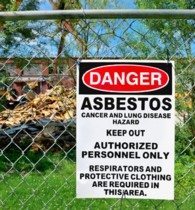
    Mesothelioma is not the only cancer whose incidence is elevated in workers exposed to asbestos. A new Taiwanese study of shipbreakers finds that these workers are more susceptible to a wide range of cancers and should be regularly monitored for signs of disease. Shipbreaking is the process of dismantling old ships for salvage or scrap. Before the link between asbestos and mesothelioma was establish, shipbreaking workers around the world were routinely exposed to asbestos in a variety of ship parts. Asbestos was prized for its resistance to heat, fire and corrosion and was commonly used by shipbuilders to insulate boilers and pipes and fireproof areas from the mess halls to the sleeping quarters. Although several studies have linked shipbreaking with…

  • | | | | | |

    Scientific Evidence That Asbestos Bans Prevent Mesothelioma

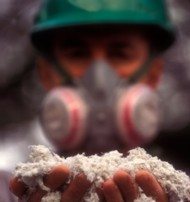
    There is some hopeful news on the mesothelioma front this week. A new study conducted in Sweden suggests asbestos bans are doing what they are designed to do – reduce the incidence of mesothelioma. As in many other countries, including the US, asbestos was used in Sweden for decades in multiple industries. Until about the 1960s, workers around the world were largely unprotected from this deadly toxin because the link between asbestos and mesothelioma had not yet been clearly established. After scientific evidence was released showing a direct correlation between asbestos and mesothelioma, many countries, including Sweden instituted bans on the use or importation of asbestos. Health experts have attempted to model what the outcomes of those bans would be….

  • | | | | | | |

    New Study Helps Explain How Asbestos Leads to Mesothelioma

    New research suggests that tiny proteins called cytokines may be to blame for much of the destruction caused by asbestos in the body. Asbestos is the top cause worldwide of malignant pleural mesothelioma, a rare but difficult-to-treat cancer that often kills patients within a year of diagnosis. When they are inhaled, asbestos fibers lodge in the lugs triggering irritation and inflammation that eventually causes cells to become malignant. But the exact mechanism that moves cells from irritation to mesothelioma is still poorly understood. Now, researchers in Brazil have uncovered another piece of the puzzle that may help explain how mesothelioma develops. According to a new published report, they have isolated two small signaling proteins called cytokines that appear to be…

  • | | | | | |

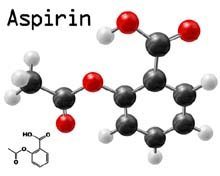
    Aspirin Slows Mesothelioma Growth by Fighting Inflammation

    A group of the world’s top mesothelioma researchers say aspirin may have a role to play in fighting malignant pleural mesothelioma. Aspirin (acetylsalicylic acid or ASA) is an that is known to help reduce the incidence and spread of certain inflammation-related cancers. Mesothelioma, a cancer that starts on the membrane around the lungs and tends to grow and spread quickly, is caused by an inflammatory response to asbestos fibers. That response is related to an inflammatory molecule called high-mobility group box 1 (HMGB1). Researchers at the University of Hawaii Cancer Center, along with colleagues at Cedars Sinai Medical Center in New York and two Italian hospitals theorized that a drug that fights inflammation might fight mesothelioma, too. Using mice infected with…

  • | | | | |

    Does Asbestos Type Impact Mesothelioma Development?

    Another study appears to confirm what scientists have long believed – that crocidolite may be the most dangerous form of the deadly toxin, asbestos. All types of asbestos have been linked to mesothelioma, lung cancer, and other serious illnesses. But scientists in Poland recently found the largest number of mesothelioma cases in plants where crocidolite had ever been used. Crocidolite, or blue asbestos, is not as heat resistant as other types of asbestos, which made it less popular for commercial products like insulation, gaskets and seals. Instead, crocidolite was most often used to make asbestos cement products. These products were used around the world for decades and thousands of workers who helped make them have paid the price by contracting malignant…

  • | | | | |

    Too Much Airborne Asbestos Means Higher Mesothelioma Risk for Workers

    A new study evaluating trends in workplace concentrations of asbestos over time and across industries has some good news and bad news about mesothelioma risk for workers. Researchers at Cardno ChemRisk, a  California-based scientific consulting firm, analyzed data collected by the Occupational Safety and Health Administration (OSHA) between 1984 and 2011. OSHA conducts inspections to measure asbestos concentrations because of the link between asbestos exposure and lung diseases like malignant mesothelioma. The bad news is that many of the air samples collected contained dangerously high levels of asbestos fibers, well beyond what OSHA allowed. This was the case even decades after asbestos was identified as the primary cause of mesothelioma. “Asbestos compliance sampling data associated with the construction, automotive repair, manufacturing, and…

  • | | | | | |

    Diagnosing Mesothelioma from Pleural Fluid: The Cell Block Technique

    Turkish researchers say a method for concentrating cancer cells from the lung fluid of mesothelioma and lung cancer patients into a single “block” for examination may result in a more accurate diagnosis than traditional fluid analysis. Pleural effusion or excess lung fluid is often one of the first signs of mesothelioma. Patients may experience this fluid collection as chest pressure, pain, or inability to take a full breath. Suspected mesothelioma patients with pleural effusion will often undergo thoracentesis, a technique for removing some of the fluid for examination. In the current study, researchers compared the traditional method of analyzing cancer cells in pleural fluid with a method that involves concentrating those scattered cells into a “block” that can be cut through and examined…

  • | | | |

    Mesothelioma Risk High For Sheet Metal Workers

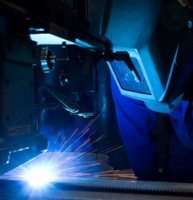
    A 24-year study of more than 17,000 sheet metal workers shows that even indirect exposure to asbestos can be deadly.  The study found that these workers are much more likely to die of mesothelioma or asbestosis than the general public – even though their industry does not use asbestos. Mesothelioma is an extremely rare cancer in the U.S., with about 2,500 new cases each year. But unlike other cancers, the cause of mesothelioma is well-known. People who have worked or even lived around asbestos are at much higher risk for mesothelioma. While sheet metal work itself doesn’t directly involve the use of asbestos, the profession is risky because workers typically spend their professional lives in the vicinity of asbestos-containing construction…

  • | | | | | | | |

    Erionite-Induced Malignant Mesothelioma: Is it Different?

    Malignant pleural mesothelioma is usually thought of as an asbestos-related disease. But a growing number of mesothelioma cases are being blamed on another mineral called erionite. A new report attempts to look at the clinical and prognostic differences between mesothelioma caused by erionite and mesothelioma caused by asbestos. Like asbestos, erionite occurs naturally in some soils and is made up of tiny, sharp fibers. Like asbestos, once these fibers enter the lungs through inhalation of dust, or the stomach through accidental ingestion, they can trigger a series of physiological changes in some people that eventually result in cancer. The Study In light of the rising number of erionite-induced mesothelioma cases in Europe and North America, researchers in Turkey, Ohio, and…

  • | | | |

    Could Your Hairdryer Cause Mesothelioma?

    A recent issue of the International Journal of Occupational and Environmental Health contains some sobering news for hairstylists. A frightening new report highlights the potential link between the frequent use of hairdryers and a higher risk of deadly malignant mesothelioma. Hairdressers are not typically counted among the occupations at elevated risk for mesothelioma. Construction workers, electricians, plumbers, and others who work with asbestos-containing insulation have the highest incidence of mesothelioma, which is caused by inhaling the tiny fibers. But the same qualities that make asbestos such a good insulator in construction products, also make it ideal as an insulator and heat shield inside hairdryers. Hundreds of models from almost every major manufacturer were once made with asbestos. The asbestos heat shields were…