mesothelioma

  • | | | |

    Industrial Chemical Found to Raise Mesothelioma Risk in Rats

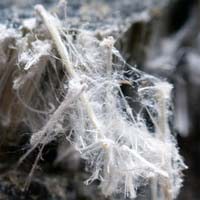
    There is new evidence that a chemical used to produce flexible films like Saran Wrap may increase the risk of developing malignant mesothelioma by damaging the immune system and increasing inflammation. About 80 percent of mesothelioma cases are the result of exposure to asbestos, a fibrous mineral once popular as a flame retardant and insulator. But a newly-published study suggests that an industrial chemical called vinylidene chloride (VDC) may account for a portion of the remaining 20 percent of non-asbestos mesothelioma cases. NIH scientists in North Carolina’s Research Triangle Park conducted the 2-year study as part of a National Toxicology Program effort to determine the cancer risk associated with certain chemicals. According to the Environmental Protection Agency, VDC is used…


  • | | |

    New Biomarkers Could Mean Earlier, More Accurate Mesothelioma Diagnosis

    In what could be a breakthrough in the development of a reliable diagnostic test for mesothelioma, Danish scientists have identified what they say are four key biomarkers that distinguish the asbestos cancer from non-malignant conditions. If the new research from Copenhagen University can be validated, it may dramatically shorten the time it takes to identify mesothelioma and start aggressive therapies. “Our goal was to identify microRNAs (miRNAs) that can aid in the differential diagnosis of MPM [malignant pleural mesothelioma] from RMPs [reactive mesothelial proliferations],” investigator Eric Santoni-Rugiu, MD, PhD, of the Laboratory of Molecular Pathology at Copenhagen University Hospital in Denmark said in a press release. MiRNAs are small cellular components that act as master switches for protein synthesis inside…

  • | | | | |

    Combination Treatment Fights Mesothelioma “Synergistically”

    Cancer researchers in Italy are working on a way to use the body’s own cancer-fighting tools to help boost the effectiveness of chemotherapy for mesothelioma. They are concentrating their efforts on a protein called TNF-related apoptosis-inducing ligand, also known as TRAIL. TRAIL is a cytokine that is produced by most normal tissue cells but causes apoptosis (programmed cell death) in tumor cells. TRAIL is one of the ways the body helps keeps cancers like mesothelioma from gaining a foothold. Recently, doctors at the University of Padua ran a test combining a form of TRAIL made from human cells with standard chemotherapy drugs to help fight malignant pleural mesothelioma. The lab-produced TRAIL, called dulanermin, was administered along with pemetrexed and carboplatin…

  • | |

    New CT Method May Enable Safer, Earlier Mesothelioma Detection

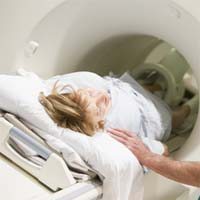
    A new way of using a CT scanner may make it possible to detect the signs of mesothelioma earlier in asbestos workers without exposing them to dangerously high levels of radiation. As with most types of cancer, mesothelioma treatment outcomes are closely linked to early detection. Because people with mesothelioma often have no symptoms until decades after their asbestos exposure, some studies have suggested that CT scans of asbestos-exposed workers may offer a way to catch the disease earlier. But the radiation used in CT scanning carries its own cancer risks. Now, new research suggests that a technology developed by GE Healthcare may offer a safer way to monitor these workers for signs of mesothelioma. Radiologists and occupational medical experts…

  • | | |

    Mesothelioma Remains a Serious Risk for Shipbreaking Workers

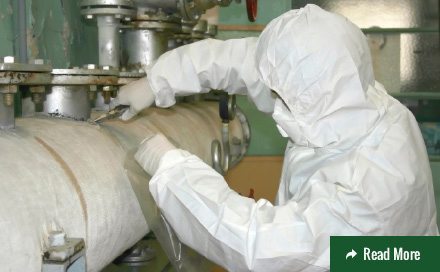
    Taiwanese researchers who conducted one of the few long-term studies of cancer among shipbreaking workers are calling for more “preventive measures” to protect these workers from deadly malignant mesothelioma. Mesothelioma is the most serious of a group of diseases caused by exposure to asbestos. Fire- and heat-resistant asbestos was commonly used to insulate ships starting in the 1920s, long before its health risks became public knowledge. People who now work to dismantle and demolish these old ships run the risk of encountering crumbling asbestos and raising their lifetime risk of mesothelioma. Noting that shipbreaking remains one of the world’s most dangerous jobs, public health and occupational medicine experts from several Taiwanese universities studied cancer incidence among more than 4,000 shipbreaking…

  • | |

    Needle Biopsy an Effective Alternative for Some Mesothelioma Patients

    Mesothelioma patients who are not good candidates for thoracoscopy can still get a definitive diagnosis with a procedure called cutting-needle pleural biopsy. A team of Oxford-based scientists compared the two procedures to determine whether ultrasound-guided cutting needle biopsy could produce enough tissue to diagnose mesothelioma. Mesothelioma, an asbestos-linked malignancy that starts on the membrane around the lungs, can be difficult to diagnose. At the same time, because so many patients do not develop symptoms until the disease is in its later stages, rapid and accurate diagnosis is critical. Although patients suspected of having mesothelioma may undergo imaging tests, blood tests for tell-tale biomarkers, and pleural fluid analysis, tissue biopsy and examination of the cells remains the only way to obtain…

  • |

    How Much Asbestos Can Cause Mesothelioma?

    Avoid exposure to asbestos – especially if you are a smoker. That is the central message in an article by two Dutch cancer researchers who have some good news and some bad news about the link between asbestos exposure and malignant pleural mesothelioma. Pulmonologists Dr. Paul Baas and Dr. JA Burgers of AVL/NKI Cancer Center in Amsterdam analyzed a study of 58,279 Dutch construction workers from 1986 to 2007. The study, published by Offermans et al in the January 2014 issue of the Journal of the American College of Occupational and Environmental Medicine, confirmed what past research has found – that the risk of lung cancer, laryngeal cancer, and mesothelioma increased as asbestos exposure increased. “The risk of development of…

  • | |

    Using Genes to Predict Mesothelioma Chemotherapy Response

    British genetic researchers say a mesothelioma patient’s genes can influence their response to chemotherapy and the knowledge may open the door for more individualized and successful mesothelioma treatments. The team from Guy’s Hospital and St. Thomas’ Hospital in London, focused on polymorphisms, genetic variations that can impact patients’ tolerance to Alimta- (pemetrexed) based chemotherapy. The combination of Alimta and a platinum derivative like cisplatin is currently the most popular first-line treatment for pleural mesothelioma. Using a genetic test called the Illumina Human Exome v 1.1 BeadChip, the researchers compared 28 polymorphisms on 11 key genes with clinical outcomes in patients with either non-small cell lung cancer or mesothelioma. All of the 136 study subjects were receiving combination chemotherapy with Alimta…

  • | |

    Can Mesothelioma Be Genetic?

    A new study out of Italy suggests that a person is more likely to be diagnosed with mesothelioma if a sibling has the disease. That is especially true if both siblings were also exposed to asbestos. Scientists from Sapienza University and the Lazio Regional Health Service in Rome, as well as industrial disease experts from Viterbo, Italy searched a database including 10 percent of the Italian population to find familial clusters of mesothelioma cases. Among the 997 cases of mesothelioma recorded between 1980 and 2012, the team found 34 familial cases and 13 clusters. Together, these clusters accounted for 3.4% of all mesotheliomas in the database. “The most common clusters were those with affected siblings and unaffected parents,” reports Associate…

  • | |

    Alcoholism Drug Suppresses Mesothelioma Tumors in Mice

    A drug approved by the FDA for the treatment of alcoholism appears to have the potential to fight malignant pleural mesothelioma, an aggressive form of lung cancer that is often unresponsive to conventional therapies. Disulfiram (sold under the brand name Antabuse) blocks the processing of alcohol in the body by inhibiting acetaldehyde dehydrogenase. Some studies have suggested that the drug’s ability to bind to copper, a mineral often elevated in the blood serum of cancer patients, may also give it anti-tumor properties and the ability to make cancer cells more susceptible to chemotherapy. In the new mesothelioma study, a team led by cancer researchers at Detroit’s Wayne State University School of Medicine administered copper complexed disulfiram (DSF-Cu) to mice with…