mesothelioma

  • | |

    Advanced Radiotherapy Stops Mesothelioma Tumor Growth

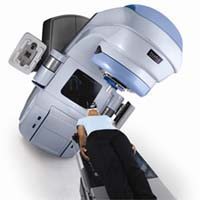
    Advanced new radiotherapy techniques may be more effective – and less toxic – for hard-to-treat mesothelioma patients. Caused by exposure to asbestos, malignant pleural mesothelioma is a fast-growing cancer that spreads across the membrane that encases the lungs. Radiotherapy is often used as part of a multi-modality approach to keep mesothelioma from spreading. But because of the size and irregular shape of mesothelioma tumors, as well as their proximity to the lungs and heart, there is a high risk of damaging vital organs with conventional external beam radiotherapy. Now, a study out of Australia demonstrates that new, more precise methods of radiotherapy delivery may be the best hope of controlling the growth of mesothelioma tumors. A team of radiologists at the University…


  • | |

    Mesothelioma Blood Test May Save Lives through Earlier Diagnosis

    There is new evidence that a blood test for a biomarker called N-ERC/mesothelin could help identify mesothelioma earlier and improve outcomes in people at risk for the disease. Cancer researchers with Juntendo University in Tokyo released a study in 2008 suggesting that N-ERC/mesothelin, a soluble protein released by certain kinds of cancer cells, was “a very promising tumor marker for mesothelioma, especially epithelioid mesothelioma”. In their newest study, the same group attempted to test the value of the biomarker as a warning tool for closer monitoring in populations at high mesothelioma risk. The new study included construction workers who were part of a large-scale, 5-year screening of people known to be exposed to asbestos, the primary cause of mesothelioma. The…

  • | |

    Breast Cancer Drug Shrinks Mesothelioma Tumors in Mice

    There is new evidence that a drug used to fight breast cancer may offer a new way to treat the intractable lung-related cancer, malignant pleural mesothelioma. Scientists at Rome’s Regina Elena National Cancer Institute have recently published some encouraging findings on the drug Aromasin (exemestane) in the journal Molecular Cancer. Aromasin is designed to block the enzyme aromatase, which is critical for the synthesis of estrogen. For cancers that are sensitive to estrogen, such a breast cancer, reducing the amount of the hormone in the body by inhibiting aromatase has been shown to curb cancer growth. Based on recent evidence that aromatase may also play a role in malignant mesothelioma, the Italian scientists tested the aromatase inhibitor Aromasin on mesothelioma…

  • | |

    Long Term Survival Possible with CRS/HIPEC for Mesothelioma

    There’s hopeful news for peritoneal mesothelioma patients facing the prospect of surgery. A new study on the benefits of cytoreductive surgery and hyperthermic intraperitoneal chemotherapy (HIPEC) finds that both the process and outcomes have improved over time. Cytoreductive surgery refers to any surgery aimed at removing as much cancerous tissue as possible. With peritoneal cancers such as mesothelioma, the surgeons may follow the procedure with a wash of heated chemotherapy drugs into the open body cavity. The goal of HIPEC is to destroy any remaining mesothelioma cells and to help keep new mesothelioma cells from growing. A study of 1,000 cytoreductive surgery/HIPEC patients, 72 of whom had mesothelioma, found that complications have decreased and survival has increased for all of…

  • |

    Factors Predict Long-Term Survival After Mesothelioma Surgery

    Two thoracic surgeons from Glenfield Hospital in Leicester, England have come up with a list of factors they say can be used to predict long term survival in mesothelioma patients who undergo radical surgery. Noting that the factors predicting poor outcomes from mesothelioma surgery have already been determined, Drs. Apostolos Nakas and David Waller say their goal was to determine the predictors of positive surgical outcomes. The two retrospectively reviewed the records of 252 patients diagnosed with malignant pleural mesothelioma, a virulent form of cancer caused by asbestos inhalation. The epithelioid variety of mesothelioma was identified in 193 of the tested patients. The rest had the rarer biphasic type. There are two major types of radical surgery for pleural mesothelioma…

  • |

    Mesothelioma Treatment May Get a Boost from Pineapple Enzyme

    There’s new evidence that an enzyme found in pineapples may make peritoneal mesothelioma cells more susceptible to the toxic effects of chemotherapy. Mesothelioma is an aggressive malignancy with a poor prognosis, largely due to the fact that standard treatments, including chemotherapy, are not usually very effective. The pineapple-derived enzyme bromelain has been shown in previous studies to have a negative impact on breast and pancreatic cancer cells. Now, Australian researchers have found that it may also be toxic to peritoneal mesothelioma cells, especially when used along with the drug cisplatin. Bromelain works against cancer by breaking down a protein called MUC-1. Found in several different mesothelioma cell lines, MUC-1 helps cancer cells invade, spread and withstand the toxic effects of…

  • |

    Bill Will Support Firefighters with Mesothelioma

    A New Hampshire legislator is pushing to fund a mandate that would help support firefighters who contract malignant mesothelioma. A U.S. Fire Administration/National Institute for Occupational Safety and Health (NIOSH) study of nearly 30,000 firefighters released last October found that firefighters are diagnosed with mesothelioma at twice the rate of the general public. This is believed to be due to their inadvertent on-the-job exposure to asbestos, the cause of mesothelioma. According to the report, “Given that asbestos is the only known causal agent for malignant mesothelioma, and firefighter exposures are probable, the excess is likely to be a causal association.” A group called the Professional Fire Fighters of New Hampshire has worked with State Representative Laura Pantelokas, D-Portsmouth, to introduce…

  • | |

    Does Radiotherapy Reduce Mesothelioma Pain?

    A new study says there is not enough evidence to support the use of radiotherapy for the treatment of pain associated with malignant pleural mesothelioma. Researchers at the University of Edinburgh in Scotland reviewed a range of past studies on mesothelioma pain and radiotherapy by searching databases that date back as far as 1974. To be eligible to be included in their review, the study had to focus on malignant pleural mesothelioma and radiotherapy given “with the intent of improving pain”. The study also had to report doses and fractionation of the radiotherapy and how the pain responded. In all, the researchers found eight studies on mesothelioma pain and radiotherapy that met the criteria. Two of the studies were prospective…

  • |

    Website Aims to Protect Homeowners from Mesothelioma

    Australia’s Cancer Council is trying to educate home renovators about their risk for mesothelioma with a new e-learning course. Australia has one of the highest per capita rates of mesothelioma in the world, largely because of several asbestos mining operations that were once located there. Although asbestos has been banned from building products in Australia since 1989, asbestos-linked diseases like mesothelioma, lung cancer, and asbestosis continue to pose a serious health concern. While mesothelioma has traditionally occurred among people exposed to asbestos on the job, Australia is now bracing for another “wave” of mesothelioma victims among homeowners who encounter asbestos while doing their own renovation projects. Cancer Council Australia has launched “kNOw asbestos in your home” in an effort to…

  • |

    Ape Virus Shrinks Mesothelioma Tumors in Lab

    A virus that causes leukemia in gibbon apes may have the power to help fight malignant mesothelioma in people. Gibbon ape leukemia virus (GALV) has been tested for years as a viral vector, a carrier of therapeutic genetic information, in the treatment of various human illnesses, including cancer. A new study in Japan compared GALV with a leukemia virus derived from mice to see which carrier communicated most efficiently with mesothelioma cells. While both types of viruses replicated in most of the mesothelioma cell lines tested, the mouse-derived virus was not effective in a mesothelioma cell line called ACC-MESO-1. In this cell line, only the GALV spread efficiently both in culture and in mice that had been given human mesothelioma…