mesothelioma

  • |

    AIDS Activist Sasser Dies of Mesothelioma

    Sean Sasser, who first came to attention as the boyfriend of MTV star Pedro Zamora in 1994, has died of mesothelioma at the age of 44. Sasser was not a full cast member of MTV’s popular The Real World: San Francisco but Zamora, one of the first openly-gay men on American television, was. Their televised marriage ceremony in 1994 became what CNN calls “a landmark moment in TV history”.  After Zamora died of AIDS a year later, Sasser went on to become an outspoken AIDS activist and a notable pastry chef. Sasser himself had lived with AIDS for more than 25 years. He was diagnosed with Stage IV mesothelioma in June, following a blood test which revealed an “abnormality”. Mesothelioma,…


  • | |

    FDG PET-CT Results Could Lead to Improved Mesothelioma Treatment

    In a recent study, researchers say a better understanding of certain diagnostic criteria could result in more targeted treatments for malignant mesothelioma. In a recent published report, doctors from the medical school at Dicle University in Diyarbakir, Turkey measured the relationship between PET-CT scan results and survival in 177 patients with malignant pleural mesothelioma. The patients were diagnosed between April 2007 and April 2011. They had a mean age of 55.4 and most (56%) were male. Patients in the study all had FDG PET-CT scans before beginning their mesothelioma treatment. FDG PET-CT scanning is a powerful imaging tool for mesothelioma and other cancers that combines a radioactive tracer with a combination of positron emission tomography and computed tomography scanning.  Because…

  • | |

    New Mesothelioma Drug Tests to Begin Soon

    A spokesman for the makers of a promising new mesothelioma drug says the company plans to begin enrolling its first clinical trial participants this summer. Dr. Joanna Horobin is Chief Medical Officer for Verastem, Inc.,  the developer of a drug that aims to treat malignant mesothelioma by targeting the stem cells that give rise to it. The company’s lead compound, an oral drug called VS-6063, inhibits a crucial signaling pathway inside stem cells called the Focal Adhesion Kinase (FAK) pathway. VS-6063 was approved by the FDA earlier this year as a ‘orphan drug’, a designation given to drugs designed to treat rare illnesses like mesothelioma. “We are moving quickly to bring new treatment options to patients with mesothelioma,” Dr. Horobin said…

  • | |

    Macrophages May Hold Key to Fighting Mesothelioma

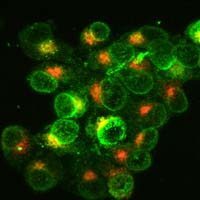
    Researchers in Western Australia are investigating new ways of bolstering the immune system in an effort to fight cancers like mesothelioma. Like most types of cancer, malignant mesothelioma occurs primarily in people over 65. That is also the time in life when the immune system typically weakens. Researchers from Curtin University and the University of Western Australia say it is no coincidence that people become more susceptible to mesothelioma as their immunity wanes. In addition to age-related immune dysfunction, mesothelioma patients experience a further decline in immunity caused by the growing tumor itself. To better understand the connection between declining immunity and the onset of mesothelioma, the researchers are focusing on a particular type of immune system cell called a macrophage….

  • | |

    Mesothelioma Surgeons Report New Biopsy Technique

    A team of surgeons in Maryland have demonstrated how using a standard biopsy tool in a new way could improve the biopsy process for certain mesothelioma patients. An aggressive cancer of the pleural lining around the lungs, malignant pleural mesothelioma usually requires a tissue biopsy to make a definitive diagnosis. Often this is done using a rigid tool called a thoracoscope inserted into the chest wall while the patient is under general anesthesia. However, mesothelioma doctors at Walter Reed National Military Medical Center detail the case of a 79-year-old suspected mesothelioma patient whose biopsy was done in a minimally-invasive way, under conscious sedation, thanks to the novel use of a standard tool. Although the patient had several of the common signs…

  • |

    New Serum Marker Could Improve Mesothelioma Diagnosis

    Japanese researchers believe they have found a way to diagnose a rare form of mesothelioma earlier using a simple blood test. Diffuse malignant peritoneal mesothelioma (DMPM), which represents about a fourth of all mesothelioma cases, is an aggressive malignancy that spreads across the lining of the abdomen. In most cases, DMPM is lethal within a year. The standard treatment for diffuse malignant peritoneal mesothelioma is cytoreductive surgery to remove as much of the mesothelioma as possible, followed by intraperitoneal chemotherapy to destroy residual cancer cells. In some studies, this approach has resulted in 5-year survival rates of 30 to 60 percent. However, it is most successful when it is performed early, while the primary mesothelioma tumor is more easily removed. Like all forms of…

  • |

    Asbestos Bans Influenced by Mesothelioma ‘Visibility’

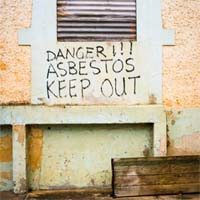
    Why have some countries banned asbestos while others have not? A team of Korean researchers studying the question says it is likely influenced by perception of mesothelioma risk as well as what neighboring countries are doing. Medical authorities around the world agree that the mineral asbestos is directly linked to development of mesothelioma, a virulent cancer of the linings around organs. Most often found in the pleura encasing the lungs, mesothelioma is usually the result of on-the-job exposure to asbestos dust. Asbestos was once widely used in a variety of construction materials, including wallboard, paint, floor and ceiling tiles and cement blocks. Even in countries where asbestos is now banned, the presence of the material in existing buildings can pose a mesothelioma…

  • For Mesothelioma Staging PET/CT Tops PET/MRI

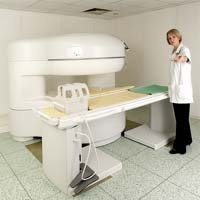
    Standard PET/CT beats PET/MRI for diagnosing and staging pleural tumors such as mesothelioma. That is the conclusion reached by a team of radiology researchers in Zurich who evaluated  the two imaging modalities side-by-side for a variety of different cancers, including mesothelioma. Positron emission tomography is a nuclear imaging technique that produces 3D images of functional or metabolic processes in the body. Patients are given a radioactive tracer (usually FDG, a molecule similar to glucose) and the PET machine detects concentrations of the tracer in body tissues. Because FDG is an analog of glucose, it will concentrate where metabolic activity is highest, often in cancer cells. The combination of PET with computed tomography, an X-ray imaging study that produces tomographic images or…

  • | |

    NUMB Gene May Suppress Mesothelioma

    Researchers at Shandong University in China have pinpointed the connection between low levels of the protein NUMB and a poor mesothelioma prognosis. NUMB is known to act as an anticancer protein in part by binding to the tumor suppressor p53 and preventing its breakdown. Low levels of the NUMB protein have been linked to several types of cancer. In the latest study, published in Oncology Reports, researchers measured the expression of NUMB in 39 tissue samples of epithelioid mesothelioma. The results were compared using immunohistochemistry (protein testing) to 22 normal pleural tissues. NUMB was found to be significantly lower in the mesothelioma cells and the tissue samples with the lowest expression of NUMB were associated with the poorest prognosis. At the…

  • |

    Mesothelioma Symptoms May Benefit from Tuberculosis Drugs

    Pleural effusion is the one of most uncomfortable and life-limiting symptoms of pleural mesothelioma. The buildup of fluid in the pleural space around the lungs, which can happen in late stage mesothelioma as well as several other types of cancer, limits breathing and can be painful. Effusion is often one of the primary reasons that mesothelioma patients in the late stages of the disease have trouble taking a full breath and complain of chest pain and fatigue. While pleural fluid can be drained off through thoracentesis or chemically absorbed through pleurodesis, these treatments are painful, risky, and not always effective. Now, a team of researchers in China say they may have discovered a non-invasive method for dealing with pleural effusion caused…