mesothelioma

  • |

    Location Can Affect Mesothelioma Risk

    People who live close to ancient rock formations called ophiolites are at higher risk of mesotheliomaand other asbestos-related diseases. That is the conclusion reached by a team of researchers in the thoracic surgery department of a Turkish hospital. In a report published in the medical journal Respiratory Medicine, the team explained the findings of a study of 2,970 volunteers living near Turkish ophiolite formations. Ophiolites get their name from the words “snake stone” in Greek. They appear to be pieces of ancient ocean floor that have been pushed to the surface over time and are rich in asbestos and other types of rock and minerals. Approximately 85% of the world’s asbestos, a mineral closely-linked to mesothelioma and a range of other…


  • |

    Skin Growths May Point to Mesothelioma

    Could benign skin tumors be a warning sign for mesothelioma? One of the world’s leading authorities on mesothelioma says the same genetic mutation that predispose certain people to skin cancer may also put them at higher risk of malignant mesothelioma. Mesothelioma is a rare but serious cancer of the membranous tissue that surrounds and encases the lungs, heart and abdominal organs. Its primary cause is exposure to airborne asbestos. However, one of the great mysteries of this highly aggressive cancer is why it strikes some asbestos-exposed individuals and not others? Dr. Michele Carbone and colleagues at the University of Hawaii Cancer Center, home to one of the world’s leading mesothelioma research programs, have been working on the problem for years….

  • |

    Lawsuits Focus on Mesothelioma Construction Risks

    Two recent news stories highlight the fact that construction workers are often at higher risk for mesothelioma. The risk comes from exposure to asbestos, a toxic mineral once widely used as an insulator and building product additive. After asbestos dust was linked to malignant mesothelioma in the 1960s, workplaces began to implement protective measures. However, the long delay from time of asbestos exposure to development of mesothelioma means the measures came too late for some workers. A group of sick electricians and carpenters in New York is a case in point.   More than a hundred independent contractors are alleging that long-term asbestos exposure at the county-owned Nassau Coliseum in Uniondale, NY, caused them to develop mesothelioma and other asbestos illnesses….

  • | | |

    Australia Braces for “Rash” of Mesothelioma Cases

    American environmental officials charged with protecting the public against mesothelioma could take a lesson from Australia. The country continues to struggle with environmental and public health problems as a result of its long history of asbestos use. The Courier Mail newspaper’s website says the State Parliament in Queensland is bracing for a rash of mesothelioma cases among people who choose to renovate their own older homes. The new government report warns that any building built before 1990 is likely to contain asbestos, but so far there is no formal procedure for helping homeowners understand and safely address the threat. According to the report, one homeowner who called her council with concerns about asbestos on a neighbor’s property finally gave up and moved…

  • |

    Green Tea, Vitamin C, Chemo Fight Mesothelioma ‘Synergistically’

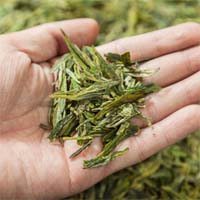
    Another study has found that the beneficial compounds in green tea may be powerful mesothelioma fighters – especially when combined with other drugs and nutrients. Epigallocatechin gallate (EGCG) is the most abundant polyphenol in green tea and is a potent antioxidant. A number of studies have suggested that it may help the body combat various types of cancer, including mesothelioma. Recently, a group of Italian mesothelioma researchers combined EGCG with Vitamin C and a chemotherapy drug called gemcitabine to create a treatment combination called AND (Active Nutrients/Drug). To test the mixture, they administered AND to various mesothelioma cell lines in the laboratory. The result was a “synergistic cytotoxic mechanism”, meaning the ingredients in AND seemed to increase each other’s cancer-fighting properties…

  • |

    Iron Range Mesothelioma Patients May Get Answers

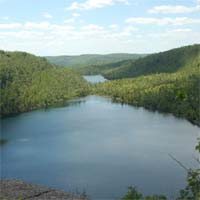
    People who live in Minnesota’s Iron Range and have contracted malignant mesothelioma may finally get some explanation as to how it happened. Mesothelioma is an aggressive cancer that attacks internal body membranes. It is almost always associated with exposure to the mineral asbestos. But, in the Iron Range, where the mesothelioma rate has been found to be 300 times higher than the rest of the state, the primary mineral is taconite, which is mined for its iron content. Alarmed by the unusually high rate of mesothelioma among taconite miners, the Minnesota Department of Health launched a study of iron range workers in conjunction with the University of Minnesota.  The Taconite Workers Health Study, which started in 2008, is focused on the nearly…

  • | |

    Estrogen May Impact Mesothelioma Prognosis

    Researchers in New South Wales, Australia may have found one of the reasons for survival differences in men and women with malignant peritoneal mesothelioma. The key may be in their hormones. The sex hormone estradiol is produced by the ovaries and the adrenal gland in women and is an active metabolic product of testosterone (though in much lower levels) in men. The most important form of estrogen in the body, estradiol has been shown to be involved in cellular proliferation of a number of cancers and acts mainly through estrogen receptors. Peritoneal mesothelioma is a cancer than spreads across the thin membrane that lines the wall of the abdomen. Using immunohistochemical testing, the Australian team measured estrogen receptors in 42 patients…

  • |

    Sharp Rise in Mesothelin May Signal Mesothelioma

    Another study has confirmed that the biomarker mesothelin may be a valuable warning sign ofmesothelioma in asbestos-exposed workers. In fact, it may rise sharply in the months preceding the onset of symptoms. Medical researchers have long known that exposure to the mineral asbestos dramatically increases the risk of developing malignant pleural mesothelioma. But doctors have struggled to find a way to identify which asbestos-exposed people are at highest risk. It is a significant problem because, as the authors of a new German study on the subject observe, “In patients developing malignant pleural mesothelioma (MPM) or lung cancer, using effective tumour markers is the quickest way to ensure early diagnosis and improve survival time.” But which biomarkers to focus on and how…

  • |

    Green Tea Component Fights Mesothelioma

    Another study appears to confirm the idea that a compound found in green tea may be a powerful tool for combatting malignant pleural mesothelioma. Epigallocatechin-3-gallate (EGCG) is a potent antioxidant found in abundance in green (though, not black) tea. It has long been thought to help fight cancer and other diseases by reducing the so-called free radicals produced during oxidative stress. Now, a new study conducted in Japan and published in Cancer Cell International finds that EGCG triggered cell death in five different human mesothelioma cell lines by doing just the opposite. “We found that EGCG induced apoptosis (cell death) in all five mesothelioma cell lines in a dose-dependent manner,” write the authors in a summary of their findings. “We further…

  • | |

    Challenges and Promises for Mesothelioma Gene Therapy

    A new report in the medical journal Cancer Gene Therapy says treatments that are based on genetic manipulation with the aid of modified viruses may be the wave of the future for combatting malignant pleural mesothelioma. The report comes from scientists at the Chiba Cancer Center Research Institute and Chiba University Medical School in Japan, where the incidence of mesothelioma is still increasing. Mesothelioma is an asbestos-linked cancer for which there is currently no standard cure. The Japanese team’s analysis of current global research on gene and virotherapy suggests that treatments that impact a particular genetic abnormality in the DNA of mesothelioma cells may have the greatest impact on the disease. They explain the process this way: “Preclinical studies targeting the…