| | | |

Focused Radiation After Chemotherapy May Improve Mesothelioma Survival
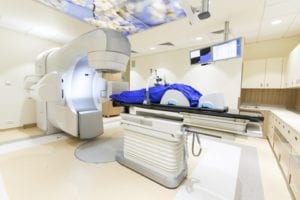
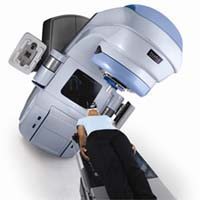
focused radiation after chemotherapy

New research suggests that mesothelioma patients who have focused radiation after chemotherapy may live longer with slower disease progression than those who have other therapy combinations.

Researchers used two kinds of focused radiotherapy (FRT) in the study. One was stereotactic body radiotherapy (SBRT) and the other was hypo-fractionated radiotherapy. Both treatments deliver a deadly dose of radiation into tumors while sparing normal tissue. 

Italian researchers say giving focused radiation after chemotherapy makes it even more effective against mesothelioma that is not yet widespread. 

Radiotherapy for Pleural Mesothelioma

Radiotherapy is one of several possible treatments for mesothelioma. Most patients start with chemotherapy. But chemotherapy has limited effectiveness. Increasingly, researchers are looking for other approaches to combat mesothelioma. 

Most patients get the best results from a combination of treatments. But there is no one-size-fits all approach. Pleural mesothelioma is resistant to many therapies, including radiotherapy. 

The new Italian study shows focused radiation after chemotherapy may work better. Chemotherapy may make mesothelioma cells more susceptible to radiation. The study suggests that the combination is a safe option for some cases of recurrent mesothelioma.

Testing Focused Radiation After Chemotherapy 

The new study included 37 patients with progressive mesothelioma. Patients had mesothelioma tumors in three or fewer sites besides the original tumor site. The name for this is “oligo-progressive”. Patients received treatment between 2006 and 2019. 

The patients had 43 mesothelioma lesions between them. They all had some chemotherapy first. Sixty percent of them had only had one course of chemotherapy. All patients had focused radiation after chemotherapy. 

Sixty percent of mesothelioma tumors received SBRT. SBRT is high dose radiation spread across many beams. The beams hit the tumor from different angles. It is a very precise form of radiotherapy. 

The other forty percent of mesothelioma tumors got hypofractionated radiotherapy. This approach also uses high doses of targeted radiation. Radiation is delivered in a short span of time. 

For patients who received focused radiation after just one course of chemotherapy, it took a median of 9 months for them to need more systemic therapy. Patients who needed more chemotherapy before FRT had to have systemic therapy again in about 4 months. 

At six months, local tumor control was 84 percent. That number dropped to 76 percent by one year. 

“FRT was feasible in selected patients with oligo-progressive MPM, allowing delay of further systemic therapies with no severe toxicity,” writes study author Paolo Ghirardelli of Cliniche Humanitas Gavazzeni in Bergamo. “FRT was more effective when performed at progression after one line of systemic therapy.”

Sources: 

Ghirardelli, P, et al, “Salvage radiotherapy for oligo-progressive malignant pleural mesothelioma”, November 30, 2020, Lung Cancer, Epub ahead of print, https://www.lungcancerjournal.info/article/S0169-5002(20)30698-X/fulltext?rss=yes#%20


Similar Posts

  • | |

    Doctors Describe "Concrete Therapeutic Approach" for Mesothelioma

    A team of medical researchers in Italy have achieved what they are calling “excellent” tumor control and survival results in malignant pleural mesothelioma patients using a combination of surgery, chemotherapy, and radiotherapy. Caused by exposure to asbestos, mesothelioma typically spreads quickly across the lung-encasing membrane called the pleura. There is no known cure but treatments are improving. In the current prospective study, 20 malignant pleural mesothelioma patients underwent radical pleurectomy/decortication followed by high doses of radiation. After surgeons removed as much of the visible mesothelioma tumor and surrounding tissue as possible, patients received 50Gy of radiation to the effected side of their chest, delivered in 25 fractions. Regions of particular concern for mesothelioma regrowth got an extra radiation “boost” to…

  • |

    Mesothelioma Still Rising Despite Ban in Ireland

    A study in Ireland confirms that it can take many years for a ban on asbestos to have a measurable impact on a country’s rates of malignant mesothelioma. Mesothelioma is the most serious of a list of diseases – including lung cancer, pleural plaques, asbestosis, and others – linked with exposure to asbestos dust. Affecting the linings around the lungs and other organs, mesothelioma is often resistant to most cancer treatments and may be fatal within a year of diagnosis. According to the International Ban Asbestos Secretariat, Ireland is one of 55 countries that have enacted some type of asbestos ban. However, although Ireland banned asbestos in 2000, a new study published in Cancer Epidemiology shows that incidence of the…

  • | |

    Does Radiotherapy Reduce Mesothelioma Pain?

    A new study says there is not enough evidence to support the use of radiotherapy for the treatment of pain associated with malignant pleural mesothelioma. Researchers at the University of Edinburgh in Scotland reviewed a range of past studies on mesothelioma pain and radiotherapy by searching databases that date back as far as 1974. To be eligible to be included in their review, the study had to focus on malignant pleural mesothelioma and radiotherapy given “with the intent of improving pain”. The study also had to report doses and fractionation of the radiotherapy and how the pain responded. In all, the researchers found eight studies on mesothelioma pain and radiotherapy that met the criteria. Two of the studies were prospective…

  • |

    Website Aims to Protect Homeowners from Mesothelioma

    Australia’s Cancer Council is trying to educate home renovators about their risk for mesothelioma with a new e-learning course. Australia has one of the highest per capita rates of mesothelioma in the world, largely because of several asbestos mining operations that were once located there. Although asbestos has been banned from building products in Australia since 1989, asbestos-linked diseases like mesothelioma, lung cancer, and asbestosis continue to pose a serious health concern. While mesothelioma has traditionally occurred among people exposed to asbestos on the job, Australia is now bracing for another “wave” of mesothelioma victims among homeowners who encounter asbestos while doing their own renovation projects. Cancer Council Australia has launched “kNOw asbestos in your home” in an effort to…

  • | |

    Radiotherapy for Mesothelioma: Better But Still Limited

    A form of highly-targeted radiation therapy for mesothelioma is better than it used to be, but is still risky. That is the message of a recent article on intensity-modulated radiation therapy (IMRT) in Seminars in Thoracic and Cardiovascular Surgery. Author Kenneth E. Rosenzweig, MD, a Radiation Oncologist with Mount Sinai Hospital in New York, reviewed recent studies on IMRT and mesothelioma. He concludes that, while the “troubling toxicity” associated with IMRT when it was first introduced has not been entirely eliminated, the fact that clinicians now have more experience with it is making a positive difference for mesothelioma patients. Before targeted therapies like IMRT were available, high-dose radiation was not usually a feasible option for mesothelioma since the irregular shape…

  • | | |

    Mesothelioma Nurses Ready for New Cases in Australia

    Australia is bracing for an expected new wave of mesothelioma cases in the next decade and the Lung Foundation of Australia is taking action now to get ready. The Foundation has paid for ten nurses from around the country to receive specialized training in helping patients and families cope with mesothelioma. The nurses, who have recently completed the training, are now equipped to lead treatment planning for these complex cancer patients and to help other nurses do the same. Pleural mesothelioma is an aggressive cancer that occurs in the lining around the lungs. It is caused by exposure to asbestos dust, a toxin that was once alarmingly prevalent in Australia where it was mined and heavily used in construction. Because…