Understanding the New Multimodality Prognostic Score (MMPS) in Mesothelioma
 The Multimodality Prognostic Score (MMPS) is a new tool for evidence-based mesothelioma treatment. It has given clinicians and surgeons a new guideline in multimodality treatment.
The treatment options for mesothelioma are many. Often, one treatment alone cannot control cancer so many treatment types are required. Multimodal therapy can be tailored to each patient’s case.
The Multimodality Prognostic Score (MMPS) has an update. It is a tool in the clinician’s toolbox for outlining a treatment plan.
Surgical Options
Surgery is a common treatment option for malignant pleural mesothelioma. There are two surgeries that are most common. The first is pleurectomy and decortication (P/D) surgery. The second is an extrapleural pneumonectomy (EPP).
Pleurectomy and decortication surgery (P/D) is a common pleural mesothelioma surgery. It removes malignant tumors from the surface of the lung and chest area.
Patients with a pleurectomy and decortication (P/D) surgery have an average survival of 13 to 29 months.
Extrapleural pneumonectomy (EPP) is also a common surgery for mesothelioma. It removes the diseased lung and part of the membrane covering the heart. It also removes part of the muscle between the lungs and the abdomen and part of the membrane lining the chest.
Patients with an extrapleural pneumonectomy (EPP) surgery have an average survival of 12 to 22 months.
Non-Surgical Options
Yet, some patients do not benefit from surgery. Unresectable malignant pleural mesothelioma cannot be treated with surgery. It is an aggressive disease with a 5-year survival rate of approximately 10%.
Most mesothelioma patients also receive standard chemotherapy with cisplatine and pemetrexed. Patients with standard chemotherapy alone had an average survival of 14.1 months.
In some cases, adding bevacizumab to the standard chemotherapy routine can be beneficial. Patients who used bevacizumab had an average survival of 18.8 months.
Patients who were treated with nivolumab plus ipilimumab had an average survival rate of 18.1 months.
Multimodal Treatments
Multimodal treatments focus on removing cancerous tumors with several treatment types. Multimodal therapy is often tailored to each patient’s case. Often, one treatment alone cannot control cancer so many treatment types are required.
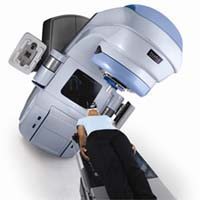
The most common multimodal therapies are surgery, chemotherapy, radiation therapy (RT), and immunotherapy. These therapies may be given before, during, and/or after surgery.
Multimodal treatments, including surgery and contemporary systemic treatment options without surgery, work best.
Factors that Effect Treatment Plan Development
There are many factors that clinicians use to develop a treatment plan. The patient’s preferences are important. Most clinicians adopt a shared-decision making model that welcomes the patient’s opinions.
The patient may also have more than one illness or disorder at the same time. This is called a comorbidity. And it also impacts the treatment plan.
Prognostic factors are important. These are variables that can be used to estimate the chance of recovery or the chance of recurrence. These are tumor staging, histology, age, and performance status.
One factor that is rarely discussed is the level of experience of the clinic or center. Most patients seek a clinic that is a center of excellence with a high level of experience. The clinic’s level of experience affects its guidelines for the management of mesothelioma.
The Updated Multimodality Prognostic Score (MMPS)
A scientific team from Zurich established a Multimodality Prognostic Score (MMPS or MMP-score) in 2015. This first score included five items.
Those five items were tumor volume before chemotherapy, histological subtype, C-reactive protein before chemotherapy and tumor progression after chemotherapy.
More recently, a new sixth item has been added to the MMPS. This new sixth item was albumin, a protein made by your liver. Albumin has been proven as an independent prognostic factor in mesothelioma.
With this new sixth item, the MM Multimodality Prognostic Score (MMPS) is stronger.
Patients with a MMPS Score of 0 have superb survival. This is 30 months with macroscopic complete resection. Or, 32 months without MCR.
An MMPS Score of 2 leads to average patient survival of 13 months (MCR group) and 10 months (non-MCR group). This is comparable to standard doublet chemotherapy alone. Often, patients with a score of 2 do not benefit from surgery.
The Multimodality Prognostic Score (MMPS) is a new tool for evidence-based treatment. It has given clinicians and surgeons a new guideline in mesothelioma multimodality treatment.
Source
Bölükbas, Servet, Natalie Baldes, Mir Alireza Hoda, and Michael Eberlein. “Multimodality treatment of malignant pleural mesothelioma: evolving patient selection criteria using scores.” European Journal of Cardio-Thoracic Surgery (2022). https://doi.org/10.1093/ejcts/ezac153