
Author: Alex Strauss

  • | | | | | | | | |

    New and Emerging Therapies Offer Hope for Mesothelioma Patients and Families

    There is hopeful news on the research front for people struggling with malignant pleural mesothelioma and their families.  Although mesothelioma is still considered one of the deadliest cancers, new and emerging therapies are helping more patients live longer than ever before. For decades, the multi-modality approach to mesothelioma treatment, including surgery, chemotherapy and radiation, has been the gold standard for this intractable cancer of the lung lining. But newer therapies, some of which are still in the preclinical stages of development, promise to take mesothelioma treatment to new levels. A new article published by top mesothelioma researcher Robert Cameron and colleagues at UCLA summarizes some of the newest and most encouraging experimental mesothelioma treatments. The report in Cancer Management and…

  • | | | | | | | |

    Erionite-Induced Malignant Mesothelioma: Is it Different?

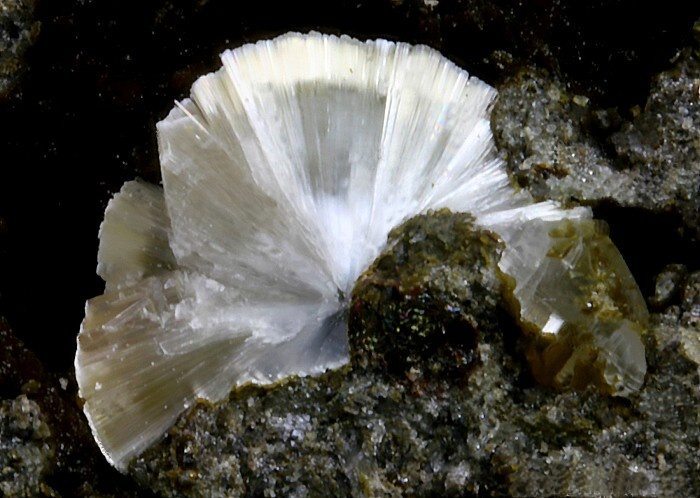
    Malignant pleural mesothelioma is usually thought of as an asbestos-related disease. But a growing number of mesothelioma cases are being blamed on another mineral called erionite. A new report attempts to look at the clinical and prognostic differences between mesothelioma caused by erionite and mesothelioma caused by asbestos. Like asbestos, erionite occurs naturally in some soils and is made up of tiny, sharp fibers. Like asbestos, once these fibers enter the lungs through inhalation of dust, or the stomach through accidental ingestion, they can trigger a series of physiological changes in some people that eventually result in cancer. The Study In light of the rising number of erionite-induced mesothelioma cases in Europe and North America, researchers in Turkey, Ohio, and…

  • | | | | | | | | |

    Refining CRS-HIPEC for Peritoneal Mesothelioma

      Three new international studies are helping to refine a treatment for peritoneal mesothelioma that involves rinsing the body cavity with heated chemotherapy drugs. The treatment, called heated intraperitoneal chemotherapy or HIPEC, begins with surgery to remove as much of the mesothelioma tumor as possible from the surface of the peritoneal membrane. Chemotherapy drugs are then heated and rinsed through the area while the patient is still in surgery. The goal is to destroy any residual cancer cells and keep mesothelioma from growing back. Although the treatment is still relatively new, it is quickly becoming the standard of care for peritoneal mesothelioma. Now, researchers around the world are working on ways to make HIPEC even more effective. In one new…

  • | | |

    The Mesothelioma Threat in Nevada’s Soil

    Environmental asbestos may be to blame for higher-than-expected numbers of mesothelioma cases among younger people and women in Nevada. That conclusion comes from a newly-published report from top cancer researchers. Malignant mesothelioma is caused almost exclusively by the mineral asbestos and affects the membrane that surrounds the lungs, heart, or abdominal organs. Although it is extremely rare, it is also highly lethal.  Since the regulation of asbestos in industries like construction and manufacturing in the 1970s, most mesothelioma cases now occur in older men who were exposed on the job decades ago. But the story is different in Nevada. Whereas occupational asbestos exposure typically causes mesothelioma at a rate four to eight times greater in men than in women, mortality…

  • | | | | | | |

    Light-Based Therapy Leads to Longer Survival in Korean Mesothelioma Patient

    A newly-published case study is the latest to indicate that photodynamic therapy – a light-based method of treating cancer – may enhance the effectiveness of chemotherapy for mesothelioma. Writing in a Korean medical journal, Doctors with the Dankook University College of Medicine in Cheonan, Korea detail the case of a 68-year-old mesothelioma patient who lived twice as long as most mesothelioma patients after receiving a combination of photodynamic therapy (PDT) and chemotherapy. According to the doctors, the patient had already been through a round of chemotherapy at another hospital before coming to their facility. Not only had that chemotherapy not shrunk the man’s mesothelioma tumor, but the disease had actually progressed while he was on treatment. Unfortunately, this is not…

  • | | | | |

    Evidence Supports Radiotherapy for Mesothelioma Pain Relief

    European researchers have a bit of good news for patients coping with the pain that often accompanies late stage malignant pleural mesothelioma. They have found evidence that radiotherapy, which is sometimes prescribed to treat this pain, really can make a difference. The authors, including cancer researchers from both Scotland and Norway, note that, although radiation is often used to treat mesothelioma pain, there has been little research to support the practice. As part of a multi-center phase II clinical trial on the use of radiotherapy for mesothelioma pain, patients were assessed for baseline pain and other symptoms and then treated with 20 Gy of radiation in 5 daily fractions. Mesothelioma pain was evaluated at 5 weeks and again at 12 weeks…

  • | | | |

    Energy Plant Workers Face Elevated Mesothelioma Risk

    Construction workers and tradespeople who have worked at any of the U.S. Department of Energy’s  nuclear sites would do well to be aware of the early warning signs of cancer, including malignant mesothelioma and asbestosis. A new report prepared by the Center for Construction Research and Training and Duke University finds that people who worked at the DOE’s nuclear sites are at higher risk of death from “all causes, all cancers” and should be actively monitored for signs of disease. The research was based on data from the Building Trades National Medical Screening Program, a program established in 1996 to provide occupational medicine screening exams to construction workers employed at DOE nuclear facilities. More than 18,800 workers were monitored from…

  • | | | |

    Could Your Hairdryer Cause Mesothelioma?

    A recent issue of the International Journal of Occupational and Environmental Health contains some sobering news for hairstylists. A frightening new report highlights the potential link between the frequent use of hairdryers and a higher risk of deadly malignant mesothelioma. Hairdressers are not typically counted among the occupations at elevated risk for mesothelioma. Construction workers, electricians, plumbers, and others who work with asbestos-containing insulation have the highest incidence of mesothelioma, which is caused by inhaling the tiny fibers. But the same qualities that make asbestos such a good insulator in construction products, also make it ideal as an insulator and heat shield inside hairdryers. Hundreds of models from almost every major manufacturer were once made with asbestos. The asbestos heat shields were…

  • | | |

    Occupational Risks of Carbon Nanotubes Include Mesothelioma

    Are carbon nanotubes the next asbestos? A new report in Occupational Medicine and Health Affairs suggests that the dangers of working with these tiny particles can include lung cancer and deadly malignant pleural mesothelioma – the same diseases caused by exposure to asbestos. Carbon nanotubes are tubular cylinders of carbon atoms. These tiny manmade particles have been found to have some extraordinary properties – including strength, elasticity and conductivity –  that are useful in making products ranging from baseball bats to electronics and optical lenses. Like asbestos, carbon nanotubes are also resistant to corrosion. As a result, they’re being used with increasing frequency, which means that more workers in these fields are likely to be exposed to them. In a…

  • | | | | |

    Enzyme May Help Doctors Determine Mesothelioma Prognosis

    Cancer researchers in New York say they have found a new way to help determine prognosis for people with malignant pleural mesothelioma. In a report in the Annals of Surgical Oncology, a team of doctors from Memorial Sloan Kettering Cancer Center say patients whose cancer cells tested positive for an enzyme called CD10 had more aggressive mesothelioma and shorter survival times. Right now, stage (a measure of how far cancer has spread in the body) and type are the primary prognostic factors for mesothelioma. People with more advanced cancer or non-epithelioid mesothelioma tend to have poorer outcomes than people with epithelioid or early-stage mesothelioma. By offering another reliable prognostic factor, the new study suggests that CD10 can help make the process more effective, which may improve…