Author: Alex Strauss

  • | | | | | | |

    Induction Therapies Improve Mesothelioma Surgery Outcomes

    An induction therapy is the first in a series of therapeutic measures, which, in the case of mesothelioma, may include chemotherapy, radiation, surgery, immunotherapy or other types of experimental treatments.  Because mesothelioma is so treatment-resistant, most patients require a combination of therapies to see results, an approach that clinicians refer to as “multi-modality.” Dr. Laura Donahoe and her colleagues at Toronto Mesothelioma Research Program recently published their summary of novel induction therapies being test for pleural mesothelioma, including a new protocol that they have developed for radiotherapy prior to mesothelioma surgery. The protocol consists of accelerated hemithoracic (one side of the chest) radiation followed by lung-removing extrapleural pneumonectomy (EPP) surgery. “The rationale behind this protocol is to maximize both the…


  • | | |

    Lung-Sparing Mesothelioma Surgery Results in Fewer Short-Term Deaths

    Extrapleural pneumonectomy is the more radical of the two surgeries and involves the removal of a lung along with the diseased pleural lining where mesothelioma tumors start, all or part of the diaphragm, the lining around the heart, and other at-risk tissues. While the complication rate is higher with EPP, some studies have suggested that the surgery may improve the odds of surviving mesothelioma. Pleurectomy/decortication involves the removal of the pleura and many of the same tissues, but leaves the lungs intact. Studies suggest that patients tend to recover from this type of surgery faster. Both types of procedures may be preceded or followed by chemotherapy or radiation to shrink mesothelioma tumors for easier removal or to kill residual cancer cells. Doctors…

  • | | | |

    Construction Workers and Mesothelioma: Is Protection Really Possible?

    The study, conducted by researchers in the Department of Public Health and Clinical Medicine at Umea University, focused on male Swedish construction workers who had participated in health examinations between 1971 and 1993. Among the 367,568 workers included in the analysis, there were a total of 419 cases of mesothelioma occurring between 1972 and 2009. As expected, the incidence of mesothelioma was high among those who worked with some form of asbestos-containing insulation, including plumbers.  But, although these groups of workers had higher rates of mesothelioma than the general public, they accounted for only 21% of the mesothelioma cases in the study. There were even higher numbers of mesothelioma cases among concrete workers and wood workers. Other occupational group with…

  • | |

    Avoid Mesothelioma Risk When Storing Holiday Decorations

    But even people who have long since thrown away their asbestos holiday décor could face a mesothelioma risk in their own attics when they access or store their decorations. That is because millions of American homes still contain Zonolite insulation, a brand of vermiculite insulation known to contain fibers of asbestos. Although asbestos-containing insulation is not believed to pose a mesothelioma risk when it is undisturbed, moving boxes around or stepping on the old insulation in an attic can create small clouds of deadly dust. This dust can then be transported into the living areas on the outside of boxes or even on the clothing of family members who went into the attic. Accidently inhaling or ingesting the dust, especially if…

  • | | | | | |

    Ingredient in Vinegar Kills Mesothelioma Cells in Minutes

    There is new evidence that the primary ingredient in vinegar might eventually be used to help fight deadly malignant mesothelioma. Acetic acid is the colorless organic compound that gives vinegar its pungent smell and distinctive sour taste. It makes up 3 to 5% of vinegar. (The remaining 95-97% is water) In its pure form, acetic acid is used in the production of cellulose acetate for photographic film and polyvinyl acetate for wood glue, as well as some synthetic fibers and fabrics. It is also used as a food additive to regulate the acidity of certain foods and condiments.   Acetic acid was added into the cell cultures at different concentrations and for different lengths of time. The researchers then analyzed…

  • | | | | | |

    Mesothelioma Patients May Need Medication to Reduce Clot Risk

    Researchers in Ankara, Turkey have just released a new study on the increased risk of thromboembolic events (TEEs) in patients with malignant mesothelioma. TEEs can occur when a blood clot (thrombus) breaks loose and travels through the blood stream to clog another vessel. Mesothelioma patients are at higher risk for the problem which can lead to strokes, heart attacks, blood clot in the lung (pulmonary thromboembolism), deep vein thrombosis and even death. The Turkish study included 178 mesothelioma patients diagnosed with malignant pleural mesothelioma between January 2008 and June 2014. In all, 14 (7.9%) of the patients experienced TEEs. Two of these events triggered heart attacks and the remaining 12 were equally divided between deep vein thrombosis (in the legs)…

  • | |

    Mesothelioma Risk from Aging Asbestos Water Pipes

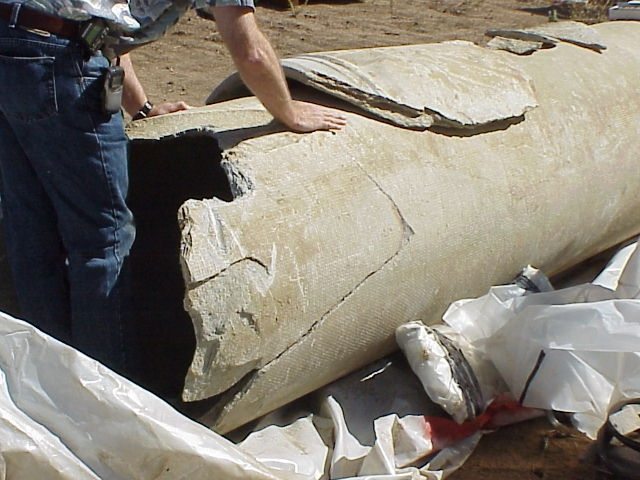
    As pipes containing asbestos break down over time and need repair, there is concern that improper handling could release the toxic fibers into the environment, posing a mesothelioma risk for workers and residents. It is even possible for asbestos to wind up in drinking water. Mesothelioma is an aggressive cancer of internal membranes caused by either inhaling or ingesting fibers of asbestos. Although some asbestos occurs naturally in the environment, most people who contract mesothelioma are exposed to asbestos in products that were made from it. One of those products is asbestos cement, a strong and corrosion-resistant mixture that was used for decades in the U.S. and around the world to make a wide range of products, including water pipes….

  • | | | | |

    Radiation Treatment May Worsen Lung Function in Mesothelioma

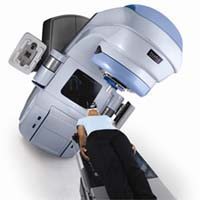
    Researchers at MD Anderson Cancer Center in Houston and Princeton Radiation Oncology reached that conclusion after evaluating 24 mesothelioma surgery patients between 2009 and 2013. Study subjects underwent either lung-sparing pleurectomy/decortication (P/D) surgery or lung-removing extrapleural pneumonectomy (EPP). Both procedures aim to improve mesothelioma survival by removing the diseased pleural lining and other at-risk tissues such as the diaphragm and the pericardium around the heart. Both sets of patients were then treated with intensity modulated radiation therapy (IMRT) to the affected side of their chest in an effort to kill any mesothelioma cells left behind after surgery. IMRT delivers beams of radiation in short bursts, giving it the ability to conform radiation dose to the irregular shape of a mesothelioma tumor….

  • | | | |

    Multi-Center Study Reveals “Genomic Basis” of Mesothelioma

    Doctors with the Broad Institute of Harvard and MIT, the University of Hawaii Cancer Center, and the Departments of Cardiothoracic Surgery and Genome Technology at New York’s Langone Medical Center, have identified four specific genes they believe are directly linked to mesothelioma development. Scientists have long known that asbestos in the tissue can trigger genetic mutations that lead to mesothelioma. But, while past studies have focused on small sets of genes and have provided a limited view of these mutations, this new study is the first to analyze the entire gene for all possible genetic alterations. The new study involved whole exome sequencing – or a complete analysis of the DNA – on 22 malignant pleural mesothelioma patients. “Integrative analysis…

  • | | | | |

    In Search of a Better Mesothelioma Blood Test

    A team from the Center of Molecular Medicine in Bochum, Germany tested the blood of 43 male mesothelioma patients along with 52 control subjects that had been exposed to asbestos but hadn’t developed mesothelioma. Blood was analyzed for the presence of mesothelin, a protein that is the most common blood-based mesothelioma biomarker, and miR-103a-3p, a microRNA gene. When the team attempted to identify the mesothelioma patients by mesothelin levels alone, they were able to correctly identify 74% of the sick patients. At the same time, the mesothelin-only blood test correctly ruled out mesothelioma in 85% of the healthy control subjects. The micro RNA gene proved to be a more accurate identifier of mesothelioma. Using the microRNA gene as their only…