| | |

Radiotherapy Outcomes in Mesothelioma Linked to Pembrolizumab
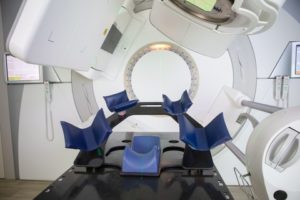
Radiotherapy Outcomes in Mesothelioma Linked to PembrolizumabCanadian researchers say radiotherapy may hold the key to improving outcomes in mesothelioma.

Mesothelioma is a fast-growing membrane cancer caused by asbestos. Doctors have not found a single therapy that can beat it. For most patients, a combination of treatments offer the best survival odds.

Pembrolizumab plus Radiotherapy

Pleural mesothelioma is a rare lung-related cancer caused by asbestos exposure. There is no cure for mesothelioma. Most mesothelioma patients have a combination of therapies. Radiation is one of the methods doctors use to help slow its spread. Outcomes in mesothelioma vary widely with the use of radiotherapy.

Pembrolizumab is used in combination with chemotherapy as a first-line treatment for mesothelioma. Radiotherapy uses beams of intense energy to kill cancer cells. One advantage to radiotherapy is that it can sometimes produce an abscopal effect.

The abscopal effect is when doctors irradiate one tumor but other non-treated tumors also respond. The Canadian team wanted to develop a mesothelioma treatment that would capitalize on this effect.

Radiotherapy in Cancer Treatment

Radiotherapy can be a highly effective and integral component of cancer treatment. The abscopal effect has been rarely reported but is now received increasing attention. The combination of radiotherapy with the use of immunotherapy.

The abscopal effect has limited reporting in mesothelioma outcomes. It is more commonly seen in melanoma and non-small cell lung cancer. University of British Columbia scientists present a case of the abscopal effect. This patient was also treated with pembrolizumab chemotherapy.

This approach to immuno-radiotherapy for mesothelioma triggered the abscopal effect. It took a few rounds of radiation for this to kick in. The study could make radiotherapy treatments a regular addition to immunotherapy and pembrolizumab.

Outcomes in Mesothelioma

Dr. Rebekah Rittberg from the University of British Columbia concludes, “Historically, it was believed that radiotherapy only impacted tissue within the targeted field. However, increasing clinical and experimental data demonstrates that it also impacts the tumor microenvironment.”

This case report illustrates the presumed abscopal effect in malignant mesothelioma. There is an increasing consensus that this treatment may result in improved local disease control. This method will also lower the patient’s total doses of radiotherapy reducing toxicity.

Ongoing clinical trials are evaluating the abscopal effect in mesothelioma outcomes. Malignant mesothelioma continues to need ongoing research and exploration into treatment optimization.

Source

Rittberg, R., Chan, E., Yip, S., Alex, D., & Ho, C. (2022). Radiation Induced Abscopal Effect in a Patient With Malignant Pleural Mesothelioma on Pembrolizumab. Cureus, 14(2). https://www.cureus.com/articles/84354-radiation-induced-abscopal-effect-in-a-patient-with-malignant-pleural-mesothelioma-on-pembrolizumab

 

Similar Posts

  • | |

    Doctors Describe "Concrete Therapeutic Approach" for Mesothelioma

    A team of medical researchers in Italy have achieved what they are calling “excellent” tumor control and survival results in malignant pleural mesothelioma patients using a combination of surgery, chemotherapy, and radiotherapy. Caused by exposure to asbestos, mesothelioma typically spreads quickly across the lung-encasing membrane called the pleura. There is no known cure but treatments are improving. In the current prospective study, 20 malignant pleural mesothelioma patients underwent radical pleurectomy/decortication followed by high doses of radiation. After surgeons removed as much of the visible mesothelioma tumor and surrounding tissue as possible, patients received 50Gy of radiation to the effected side of their chest, delivered in 25 fractions. Regions of particular concern for mesothelioma regrowth got an extra radiation “boost” to…

  • | |

    Does Radiotherapy Reduce Mesothelioma Pain?

    A new study says there is not enough evidence to support the use of radiotherapy for the treatment of pain associated with malignant pleural mesothelioma. Researchers at the University of Edinburgh in Scotland reviewed a range of past studies on mesothelioma pain and radiotherapy by searching databases that date back as far as 1974. To be eligible to be included in their review, the study had to focus on malignant pleural mesothelioma and radiotherapy given “with the intent of improving pain”. The study also had to report doses and fractionation of the radiotherapy and how the pain responded. In all, the researchers found eight studies on mesothelioma pain and radiotherapy that met the criteria. Two of the studies were prospective…

  • |

    Website Aims to Protect Homeowners from Mesothelioma

    Australia’s Cancer Council is trying to educate home renovators about their risk for mesothelioma with a new e-learning course. Australia has one of the highest per capita rates of mesothelioma in the world, largely because of several asbestos mining operations that were once located there. Although asbestos has been banned from building products in Australia since 1989, asbestos-linked diseases like mesothelioma, lung cancer, and asbestosis continue to pose a serious health concern. While mesothelioma has traditionally occurred among people exposed to asbestos on the job, Australia is now bracing for another “wave” of mesothelioma victims among homeowners who encounter asbestos while doing their own renovation projects. Cancer Council Australia has launched “kNOw asbestos in your home” in an effort to…

  • | |

    Radiotherapy for Mesothelioma: Better But Still Limited

    A form of highly-targeted radiation therapy for mesothelioma is better than it used to be, but is still risky. That is the message of a recent article on intensity-modulated radiation therapy (IMRT) in Seminars in Thoracic and Cardiovascular Surgery. Author Kenneth E. Rosenzweig, MD, a Radiation Oncologist with Mount Sinai Hospital in New York, reviewed recent studies on IMRT and mesothelioma. He concludes that, while the “troubling toxicity” associated with IMRT when it was first introduced has not been entirely eliminated, the fact that clinicians now have more experience with it is making a positive difference for mesothelioma patients. Before targeted therapies like IMRT were available, high-dose radiation was not usually a feasible option for mesothelioma since the irregular shape…

  • | | |

    Mesothelioma Nurses Ready for New Cases in Australia

    Australia is bracing for an expected new wave of mesothelioma cases in the next decade and the Lung Foundation of Australia is taking action now to get ready. The Foundation has paid for ten nurses from around the country to receive specialized training in helping patients and families cope with mesothelioma. The nurses, who have recently completed the training, are now equipped to lead treatment planning for these complex cancer patients and to help other nurses do the same. Pleural mesothelioma is an aggressive cancer that occurs in the lining around the lungs. It is caused by exposure to asbestos dust, a toxin that was once alarmingly prevalent in Australia where it was mined and heavily used in construction. Because…

  • | | |

    Human Trials Planned for Promising New Mesothelioma Drug

    The Australian Asbestos Diseases Research Institute says it is ready to begin human trials on what its lead researcher calls the first significant advance in mesothelioma treatment in a decade. More than three years in development, TargomiRs utilizes a unique ‘minicell’ delivery system to insert a synthetic form of missing genetic material into mesothelioma cells. Like a number of other types of cancer, mesothelioma cells are missing a family of microRNAs critical to regulating the cellular life cycle. TargomiRs restores these microRNAs. In mice with human-derived mesothelioma, TargomiRs produced a “remarkable inhibition of tumour growth”, according to the Asbestos Diseases Research Institute. “The last significant development in the treatment of mesothelioma occurred ten years ago,” ADRI director Nico van Zandwijk…