Author: Alex Strauss

  • | |

    Mesothelioma Prognosis and Placenta Growth Factor

    Mesothelioma, like other cancers, grows and spreads through a process of angiogenesis, the growth of new blood vessels.  Without a blood supply a mesothelioma tumor would starve and die.  Vascular endothelial growth factor (VEGF) is a protein made by cells that stimulates new blood vessel formation.  Therefore, treatments that slow or stop VEGF in tumors can slow or stop the formation of blood vessels (“anti-angiogenesis”) and thereby halt the growth and spread of cancer. One type of VEGF is placenta growth factor (P1GF).  A recent study investigated whether P1GF is over expressed in mesothelioma.1   If it is this could present a new therapeutic target.  Specimens from twenty-seven patients with mesothelioma were compared with specimens from ten healthy patients.  The researchers…

  • | |

    Turning Up the Heat on Mesothelioma

    Researchers have discovered that mesothelioma cancer cells release certain proteins in response to heat, which help them survive when they are treated with heat-based chemotherapy. Suppressing the release of these protective proteins might improve the effectiveness of heat-based treatments, according to a recent study in the Journal of Biomedicine and Biotechnology. Hyperthermal chemotherapy (using heated chemotherapy drugs to kill cancer cells) has been used in mesothelioma patients, but with very little success. In part, the lack of effectiveness is due to the late stage at which mesothelioma is typically diagnosed. It also has to do with protective mechanisms in the cancer cells. When mesothelioma cells are under stress from heat, they produce heat-shock proteins. These proteins both protect cancer cells…

  • |

    Mesothelioma Can Strike Younger Patients Without Known Risks

    Mesothelioma is a cancer that typically affects middle-aged or older men who were exposed to asbestos on the job. But even younger patients with no known history of asbestos exposure may develop mesothelioma, and should be evaluated if they have signs of the disease, according to a recent review in the West Virginia Medical Journal. Even when mesothelioma is properly diagnosed, treatment options remain limited and the prognosis is usually grim, the authors say. The review presented the case of a 38-year-old, otherwise healthy woman who developed shortness of breath and chest pain, which worsened over time. Pathology tests revealed cancerous cells that are typical of mesothelioma, even though the woman had no apparent risks for the disease. “The family denied…

  • | |

    Future Mesothelioma Treatment

    A combination of immunotherapy and traditional  may be more effective than either treatment alone against mesothelioma, according to a recent analysis published in the journal, Tissue Antigens. Mesothelioma is one of the most difficult cancers to treat, and the prognosis is often poor. Surgery and chemotherapy are the standard mesothelioma treatments, but even with these therapies many patients do not live more than a year after their diagnosis. A newer treatment option is immunotherapy, which enhances the immune system response to help the body attack cancer cells. Because mesothelioma engages the immune system, immunotherapy would appear to be a promising treatment strategy for this cancer. However, studies conducted so far on immunotherapy for mesothelioma have yielded disappointing results. Combining immunotherapy…

  • | |

    Mesothelioma Survivor Defies Odds

    Recently there have been a number of articles written about Jon Matthews, the British man who was diagnosed with mesothelioma a little over two years ago. Mesothelioma is a type of cancer that is caused by exposure to asbestos. Apparently, Mr. Matthews had placed a bet with a bookie that he would live beyond 25 months. The bookie took the bet at 50 to 1 odds. When Mr. Matthews survived past this point, the bet paid off £5,000 on a £100 bet. First, we want to commend Mr. Matthews for proving his doctors wrong. But, why was 25 months chosen? Is this a magic number? According to Andy Nicholson of William Hill Bookmakers the bookie had consulted with “various medical…

  • |

    Mesothelioma Gene Test Predicts Survival Odds

    A test that looks at ratios of four genes can accurately predict which mesothelioma patients face the greatest chance of survival, and help pinpoint the best candidates for surgery, according to a study in the May 6 Journal of the National Cancer Institute. Mesothelioma is one of the most challenging cancers to treat. Patients survive an average of just one year after their diagnosis. Surgery can help improve survival somewhat, but it does have risks. Knowing which patients are most likely to benefit from surgery can spare those with a poor outlook from having to undergo an unnecessary and invasive procedure. To predict a patient’s prognosis, doctors typically look at cancer stage (how far it has spread), whether the tumor can…

  • |

    Asbestos Workers Face Increased Risk of Cancer Death

    Workers who have been exposed to asbestos on the job are more likely to die from lung cancers,mesothelioma, and asbestosis, as well as from stomach cancer and stroke, according to one of the longest-running studies of British asbestos workers, published in Occupational and Environmental Medicine. On the positive side, more stringent asbestos regulations appear to be reducing the risk of asbestos-related diseases among younger workers. Since the early part of the 20th century, asbestos-related diseases have been the leading cause of job-related deaths in Great Britain, and the number of deaths has been on the rise. Although Britain has enacted stricter laws governing the use of industrial asbestos, exposed workers will likely continue to develop deadly cancers in the years…

  • | |

    Mesothelioma and Early Lung Cancer Identified by Screening

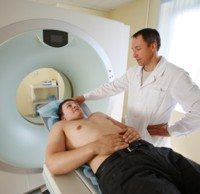
    Using computed tomography scans to screen former asbestos workers can detect both early and late-stage lung cancer and late-stage mesothelioma, according to a study in the May Journal of Thoracic Oncology. However, it’s still not clear whether screening for these cancers might improve patients’ prognoses. Exposure to asbestos fibers is a known risk factor for lung cancer and the cause of mesothelioma. Although asbestos is still not completely banned in the U.S., it was phased out of American industry to a large degree beginning in the 1970s.  However because asbestos-related diseases can take 20 to 40 years to emerge after people have been exposed, former asbestos workers and those exposed to products containing this carcinogen continue to be diagnosed with asbestos…

  • | |

    Promising New Target for Mesothelioma Therapy

    Mesothelin, a protein found on the surface of cells, may be a promising new target for treating mesothelioma, as well as several other types of cancers, according to a recent study in the journal, Molecular Cancer Therapeutics. This protein might also help doctors diagnose certain cancers. The reason why mesothelin has captured researchers’ attention as a potential therapeutic target has to do with the way it is distributed in the body. In healthy people, mesothelin is only found in small amounts in cells lining the lungs, abdominal cavity, and heart. However, this protein is produced in higher amounts by mesothelioma, ovarian, and pancreatic cancer cells. To attack these cancers, researchers are looking at using specialized antibodies (a type of immune…

  • | |

    Mesothelioma Risk in U.K.

    British people who’ve worked in high-risk jobs like carpentry and plumbing, especially before age 30, are at greatest risk of developing the deadly lung cancer,mesothelioma, according to a recent study in the British Journal of Cancer. Mesothelioma is caused by asbestos exposure. Although regulations have reduced the amount of asbestos in both British and American buildings since the 1970s, the mesothelioma death rate in Britain has continued to climb among people over age 60. For the first time, researchers there decided to examine the connection between lifetime asbestos exposure in the workplace and home, and mesothelioma risk. This study included 622 mesothelioma patients in England, Wales, and Scotland who were born after 1925, as well as a group of 1,420…