Author: Alex Strauss

  • | |

    New Mesothelioma Case Renews Talcum Powder Fears

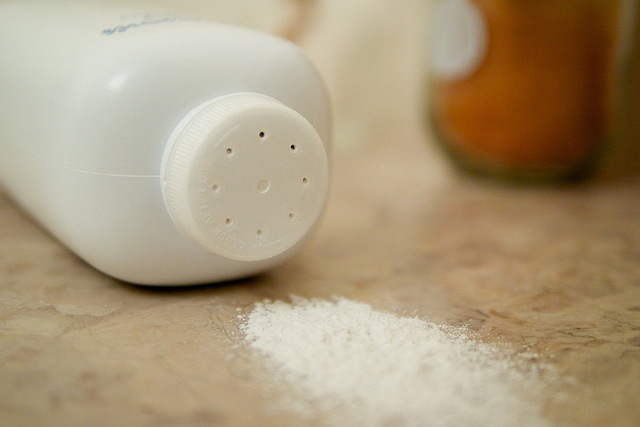
    Jurors in a California courtroom are being asked to consider this week whether Johnson & Johnson’s talcum powder products are responsible for another case of malignant pleural mesothelioma. This is the sixth such mesothelioma trial involving Johnson & Johnson, which is already named in thousands of lawsuits brought by women with ovarian cancer. In the latest case, 59-year-old Carolyn Weirick, who was diagnosed with pleural mesothelioma in 2017, claims her disease was caused by a lifetime of accidental inhalation of asbestos fibers when using Johnson’s Baby Powder or Johnson’s Shower to Shower Powder. Although Johnson & Johnson has maintained that their talc products are pure and safe, Weirick’s lawyer Jay Stuemke told jurors, “Talc is not as pure as people…

  • | | | | | |

    Mesothelioma Tumors Thrive in Low Oxygen Environment

    South Korean researchers have uncovered a clue that might help explain why mesothelioma tumors are so aggressive — and what can be done to counter that aggression. The new study centers on hypoxia, a deficiency in the amount of oxygen reaching the tissues. It is a hallmark of many types of solid tumors and it turns out that malignant mesothelioma tumors are no exception. Patients with these hypoxic tumors tend to worsen quickly, be less responsive to treatment, and end up with poor outcomes. The Effect of Oxygen on Malignant Mesothelioma Scientists in the Laboratory of Clinical Pathology, College of Veterinary Medicine, Seoul National University are trying to better understand how hypoxia effects human malignant mesothelioma cells and exactly what…

  • | | | | |

    Telomere Length May Be Key to Earlier Detection of Pleural Mesothelioma

    Japanese pathologists have a new theory that may lead to earlier detection and better outcomes for people with malignant pleural mesothelioma. Researchers led by the International University of Health and Welfare in Tokyo say exposure to asbestos appears to shorten the telomeres that protect the ends of DNA strands. The discovery could give doctors another way to diagnose malignant mesothelioma in time to implement more effective treatments. What are Telomeres? Telomeres are the caps on the end of each strand of DNA. According to Telomere Activation Sciences, telomeres function like the plastic tips on the ends of shoelaces. Like those tips, telomeres help protect chromosomes from becoming frayed and damaged. When DNA is damaged, normal cellular processes are disrupted and…

  • | | |

    School Supply Study Raises Mesothelioma Concerns

    A group that tests common school supplies for toxins is warning parents to stay away from Playskool brand crayons sold at Dollar Tree stores because they could contain trace amounts of asbestos. Even small amounts of asbestos have been linked to malignant mesothelioma, a rare but deadly cancer that can crop up decades after exposure. The US Public Interest Research Group (PIRG), a non-governmental watchdog agency, says multiple tests of the green Playskool crayons found asbestos concentrations from .10% to .13%. It is believed the asbestos may have come from the talc used in crayon manufacturing. The two types of mineral deposits typically lie close to each other and talc mines are often contaminated with asbestos. Could Crayons Really Cause…

  • | | | | | | |

    Opdivo for Malignant Mesothelioma: Could a Lower Dose Work?

    There is new evidence that low doses of the drug Opdivo (nivolumab) may extend lung cancer survival as well as the standard dose—at a much lower cost. The news may have implications for people with the lung-related asbestos cancer, malignant mesothelioma, who are also sometimes treated with Opdivo. Pleural mesothelioma is a hard-to-treat cancer that grows on the lining around the lungs and causes many of the same symptoms as lung cancer. Some evidence has suggested that Opdivo, an immunotherapy drug already approved for the treatment of recurrent lung cancer, may soon become the first drug approved for recurrent mesothelioma, too. Now, a newly-published Korean study finds that patients may not need as much of the drug as originally thought…

  • | |

    Mesothelioma Risk Could Rise Under New EPA Rule

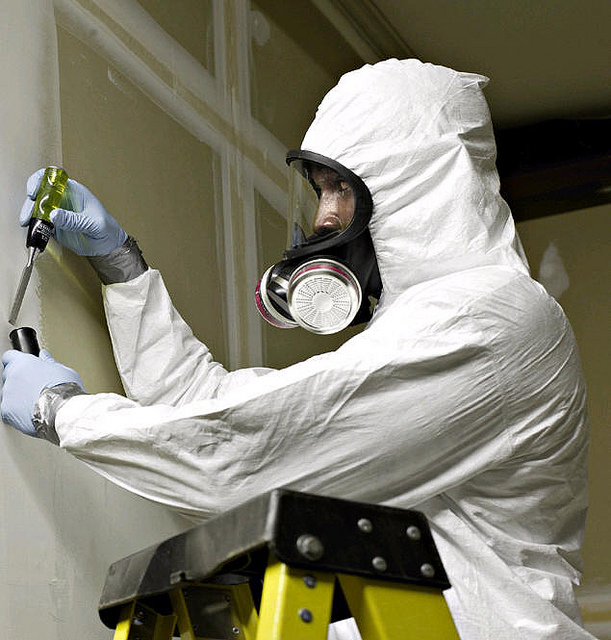
    Today is the last day for the public to weigh in on a new EPA rule some say could open the door for companies to begin using toxic asbestos in new ways, raising the risk for mesothelioma for thousands of people. Asbestos causes tens of thousands of cases of deadly malignant mesothelioma, lung cancer, and asbestosis around the world every year. Decades worth of science indicates that no level of exposure to the toxin is safe. Yet, while while the link between mesothelioma and asbestos has driven dozens of other countries to ban the substance, the US has failed to do so. Instead, the Environmental Protection Agency (EPA) has policed the substance, regulating how, where, and by whom it can…

  • | | | | |

    Hundreds of Mesothelioma Deaths Predicted for Taiwan

    Taiwanese cancer researchers say a total asbestos ban is “urgently needed” to help stem the tide of pleural mesothelioma cases predicted in the next 30 years. While the incidence of malignant mesothelioma has finally begun to level off in some countries, its incidence worldwide continues to grow. Taiwan is just one example of a country where mesothelioma rates, as well as the rates of other asbestos-related diseases (ARDs), are expected to keep climbing for at least another couple of years. Even after 2020, the authors of a new mesothelioma study say the disease will continue to be a problem for decades, highlighting the need for Taiwan to implement a total asbestos ban and devote more resources to mesothelioma screening, diagnosis,…

  • | | | | |

    Mesothelioma Survival Improves with Post-Surgery Radiation

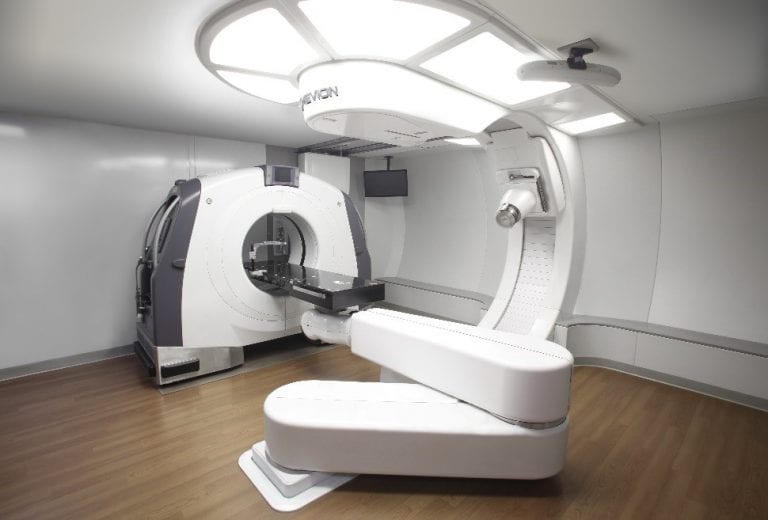
    Pleural mesothelioma patients who undergo radiotherapy after their surgery tend to live longer than those whose treatment plan does not include radiation. Unfortunately, only a small percentage of patients who could stand to benefit from this treatment actually get it. Researchers at Houston Methodist Hospital, Baylor, and The University of Texas have come to that conclusion after analyzing data from the National Cancer Database on nearly 25,000 patients with malignant pleural mesothelioma from 2004 to 2013. It was the largest study of adjuvant radiotherapy for mesothelioma ever conducted. Radiotherapy in Mesothelioma Treatment Although radiotherapy is not routinely used in mesothelioma treatment, when it is used, it is typically either palliative as a way to relieve symptoms, or as an add-on…

  • | | | |

    Unravelling the Mystery Behind Mesothelioma Tumors

    In what could be a step closer to a mesothelioma cure, French cancer researchers say they have identified two of the key genetic pathways responsible for triggering mesothelioma in asbestos-exposed people. Led by Inserm (The French National Institute of Health and Medical Research), the study focused on mice that had been genetically engineered with mutations on certain tumor-suppressor genes known to play a role in malignant mesothelioma in people. Learning About Human Mesothelioma from Mice In the experiment, published in the International Journal of Molecular Sciences, some of the genetically engineered mice, as well as some normal (wild type) mice, were exposed to asbestos while others were not. The goal was to understand exactly what is happening at the molecular…

  • | | | | | |

    Nurse Compassion May Improve Mesothelioma Outcomes

    Recent research suggests that how people with lung cancers like pleural mesothelioma are treated by their oncology nurses can have a direct bearing on their treatment outcomes. The news is based on a groundbreaking study conducted at two Chinese universities and published in Psychology Research and Behavior Management. Empathy and Lung Cancer Survival The study focused on 365 lung cancer patients who were cared for by 30 different nurses at a Beijing hospital between October 2016 and May 2017. Researchers used a test called flow cytometry to measure the activity of cancer fighting immune system cells including T-cells, B-cells and natural killer (NK) cells. These cells are also activated in patients battling malignant mesothelioma and other cancers. This “cellular immunity”…