|

Understanding Mesothelioma: Clues in the Blood
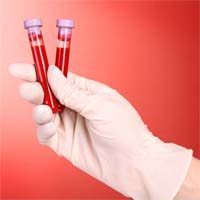
Understanding Mesothelioma: Clues in the Blood

Pleural mesothelioma is a tough cancer caused by asbestos. It’s hard to treat because it is rare and grows differently in people. A recent study tried to find clues that could help doctors figure out how to treat mesothelioma better.

Helping Treat Mesothelioma

In this study, they looked at 98 people with pleural mesothelioma. Researchers checked the patient’s blood for a few different factors. They wanted to see if a patient’s blood could tell how long someone might live with this cancer. They also wanted to use a patient’s blood to predict which treatment may work best for them. Researchers also learned from what treatments had worked for these patients in the past.

Some treatments like surgery or multi-modal treatment seemed to help some patients live longer. They also noticed that certain things in the blood might mean someone could live longer. This included having more red blood cells and fewer platelets or a specific ratio of platelets to other blood cells.

Researchers also saw that certain factors were important for these patients. Factors included what type of mesothelioma someone had or the kind of surgery they got. Some things in the patient’s blood, like CRP levels and platelets, were also important.

Important Clues for Mesothelioma Patients

Doctors find it hard to treat pleural mesothelioma. It grows differently in different people and tumors grow at different speeds. Now researchers are looking at things in the blood that might predict how well someone might do with treatment. This includes certain cells and platelets in the blood, which can show if there’s inflammation. These factors have been helpful in figuring out how patients might do.

Recent studies also talk about how the body’s defense system might affect pleural mesothelioma. This could also help to find new things in the blood to know how someone might do with treatment. This is especially true with new treatments like immunotherapy.

With new treatments getting attention and doctors rethinking surgeries, finding signs in the blood is important. This could help figure out who might do well with new treatments. It could also help doctors stop treatments that might not help. And it helps doctors make personalized treatments for pleural mesothelioma patients.

Source:

Iser, Stephanie, Sarah Hintermair, Alexander Varga, Ali Çelik, Muhammet Sayan, Aykut Kankoç, Nalan Akyürek, et al. “Validation of Inflammatory Prognostic Biomarkers in Pleural Mesothelioma.” Cancers 16, no. 1 (January 2024): 93. https://doi.org/10.3390/cancers16010093


Similar Posts

  • |

    Mesothelioma Blood Test May Be Possible

    An international team of researchers is studying the proteins found on the surface of cancer cells in an effort to improve mesothelioma diagnosis. The team, made up of scientists from the US, Switzerland, Italy and Chile, has just published their findings on a new kind of test to identify protein-derived mesothelioma biomarkers in blood serum. Mesothelioma is an aggressive cancer of the membranes around organs. Because the most common mesothelioma biomarker, mesothelin, is also overproduced by other kinds of cancer cells, it has only limited diagnostic value. A test to identify a set of proteins produced specifically by mesothelioma cells could greatly improve diagnostic accuracy. Led by Ferdinando Cerciello and Bernd Wollscheid of the Institute of Molecular Systems Biology in…

  • | |

    Needle Biopsy “Simple, Safe & Accurate” for Mesothelioma

    Mesothelioma researchers in China say a biopsy method that involves a single skin puncture can produce good diagnostic results for mesothelioma patients with little pain or risk. The study focused on percutaneous (through the skin) biopsy in patients who had unexplained fluid buildup or swelling in their abdomens. Abdominal distension and fluid buildup (called ascites) can be signs of peritoneal mesothelioma, a rare but aggressive cancer of the abdominal lining caused by exposure to asbestos. Peritoneal mesothelioma accounts for less than 30% of all mesothelioma cases. Because the symptoms may be vague and often develop many decades after asbestos exposure, peritoneal mesothelioma can be especially challenging to diagnose.  Misdiagnosis and under-diagnosis are not uncommon. In the newest study on percutaneous…

  • | |

    Inflammation Both “Friend and Foe” in Mesothelioma

    An immune system response that causes mesothelioma symptoms such as fever, fatigue, and weight loss may also be helpful to clinicians as a way to find and treat the disease. Scientists with The Asbestos Diseases Research Institute in Sydney, Australia make that case that both systemic inflammation (throughout the body) and at the site of a tumor – has long been associated with mesothelioma and other cancers. Inflammation results when the body attempts to address the imbalances of cancer by producing more of certain immune system cells. Some inflammatory markers, such as CD+8 T-cells and C-reactive protein, have been linked to better prognosis in mesothelioma. Other inflammatory markers, such as certain macrophages and a high neutrophil-to-lymphocyte ratio, can signal the…

  • |

    New Prognostic Factor in Peritoneal Mesothelioma

    Malignant peritoneal mesothelioma is a rare form of mesothelioma that attacks the membrane that lines the abdomen and surrounds internal organs. The outlook for this rare malignancy, which affects fewer than 500 Americans annually, has been improved by the treatment combination of cytoreductive surgery (CRS) and hyperthermic intraperitoneal chemotherapy (HIPEC). The combination has produced 5-year overall survival rates ranging from 29% to 63%. But not all peritoneal mesothelioma patients are good candidates for CRS/HIPEC. The challenge, for clinicians, is identifying which patients are likely to benefit from the procedure (or even be cured) and which are not. In an effort to help answer that question, French researchers recently tested the prognostic value of the glucose transporter protein GLUT1 as well as…

  • | |

    FDG PET-CT Results Could Lead to Improved Mesothelioma Treatment

    In a recent study, researchers say a better understanding of certain diagnostic criteria could result in more targeted treatments for malignant mesothelioma. In a recent published report, doctors from the medical school at Dicle University in Diyarbakir, Turkey measured the relationship between PET-CT scan results and survival in 177 patients with malignant pleural mesothelioma. The patients were diagnosed between April 2007 and April 2011. They had a mean age of 55.4 and most (56%) were male. Patients in the study all had FDG PET-CT scans before beginning their mesothelioma treatment. FDG PET-CT scanning is a powerful imaging tool for mesothelioma and other cancers that combines a radioactive tracer with a combination of positron emission tomography and computed tomography scanning.  Because…

  • | |

    Mesothelioma Surgeons Report New Biopsy Technique

    A team of surgeons in Maryland have demonstrated how using a standard biopsy tool in a new way could improve the biopsy process for certain mesothelioma patients. An aggressive cancer of the pleural lining around the lungs, malignant pleural mesothelioma usually requires a tissue biopsy to make a definitive diagnosis. Often this is done using a rigid tool called a thoracoscope inserted into the chest wall while the patient is under general anesthesia. However, mesothelioma doctors at Walter Reed National Military Medical Center detail the case of a 79-year-old suspected mesothelioma patient whose biopsy was done in a minimally-invasive way, under conscious sedation, thanks to the novel use of a standard tool. Although the patient had several of the common signs…