Coping with Cancer: Understanding Veterans’ Experiences
Coping with Cancer: Understanding Veterans' Experiences

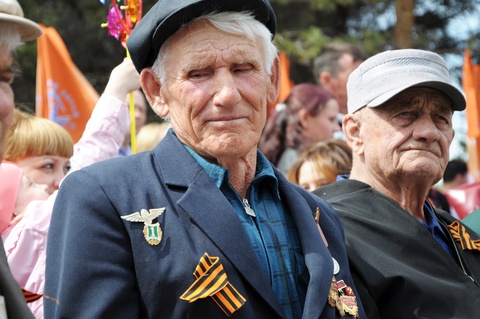
Living with lung cancer can be tough, especially for veterans who have served their country. A recent study looked at how veterans feel and cope with lung cancer. While the study looked at veterans with lung cancer, its findings can also help veterans with mesothelioma.

Psychological Challenges in Veterans

Mesothelioma, caused by asbestos exposure, can make veterans feel sad, worried, or stressed, just like lung cancer does. By understanding how veterans with lung cancer cope, we can learn how to help veterans with mesothelioma too. This could lead to better support programs that help veterans with mesothelioma feel better and improve their lives.

The study looked at 60 veterans with different types of lung cancer. They used tests to see how the veterans were feeling. They found that many veterans feel sad, worried, or depressed because of their cancer. This is called psychological distress.

Authors found that 37% of veterans felt depressed, 35% felt anxious, and 13% had posttraumatic stress symptoms related to their cancer. Posttraumatic stress is when someone feels scared or stressed because of something that happened to them. About 23% of veterans felt distress on more than one of these tests. This shows that many veterans with lung cancer feel sad, worried, or stressed about their health.

The study also talked to some veterans about their experiences. These veterans said that coping with cancer was hard and sometimes made them feel down. They talked about how their lives had changed since they were diagnosed with lung cancer.

Veterans’ Experiences and Implications for Mesothelioma

The researchers want to find ways to help veterans who are struggling with their mental health because of their cancer. They think that mental health support programs could be helpful. These programs could give veterans the tools they need to cope with their feelings and improve their quality of life.

Living with lung cancer or mesothelioma can be challenging, especially for veterans. Many veterans experience psychological distress, feeling sad, worried, or stressed because of their cancer. By understanding their experiences and developing targeted support programs, we can help improve the quality of life for veterans living with lung cancer.

Source:

Ramos, Katherine, Heather A. King, Micaela N. Gladney, Sandra L. Woolson, Cynthia Coffman, Hayden B. Bosworth, Laura S. Porter, and S. Nicole Hastings. “Understanding Veterans’ Experiences with Lung Cancer and Psychological Distress: A Multimethod Approach.” Psychological Services, 2024, No Pagination Specified-No Pagination Specified. https://doi.org/10.1037/ser0000839.


 

Similar Posts

  • |

    New Prognostic Factor in Peritoneal Mesothelioma

    Malignant peritoneal mesothelioma is a rare form of mesothelioma that attacks the membrane that lines the abdomen and surrounds internal organs. The outlook for this rare malignancy, which affects fewer than 500 Americans annually, has been improved by the treatment combination of cytoreductive surgery (CRS) and hyperthermic intraperitoneal chemotherapy (HIPEC). The combination has produced 5-year overall survival rates ranging from 29% to 63%. But not all peritoneal mesothelioma patients are good candidates for CRS/HIPEC. The challenge, for clinicians, is identifying which patients are likely to benefit from the procedure (or even be cured) and which are not. In an effort to help answer that question, French researchers recently tested the prognostic value of the glucose transporter protein GLUT1 as well as…

  • |

    Study Lists Factors That Impact Mesothelioma Prognosis

    Predicting survival in mesothelioma patients does not have to be complicated. A new Parisian study suggests that simple-to-measure factors such as patient age and the histological subtype of the mesothelioma can be highly accurate prognostic indicators. The study followed 170 patients diagnosed with malignant pleural mesothelioma between 2000 and 2010 at Saint Antoine Hospital in Paris. Patients in the study were all treated non-surgically. For each patient, a list of parameters was recorded including age, gender, tobacco use, asbestos exposure, type and duration of symptoms, BMI, C-reactive protein levels and white blood cell and platelet counts.  Inflammation of the pleura (pachypleuritis) was also noted, along with the type of diagnostic surgical procedure, histological subtype, the way in which pleurodesis was performed (for…

  • |

    Predicting Mesothelioma Outcomes with Blood Tests

    Two separate teams of Japanese researchers are delving into the possibilities of blood serum indicators that could help predict outcomes in patients with malignant pleural mesothelioma. Mesothelioma is a rare but aggressive cancer caused by exposure to asbestos. Pleural mesothelioma, a cancer that starts on the lining around the lungs, is the most common form of the disease. It occurs most often in people who have inadvertently inhaled asbestos dust. Mesothelioma is highly resistant to conventional treatments. It is also difficult to predict which patients are likely to do well with standard therapies and which are not, which is referred to as prognosis. But researchers worldwide are continually searching for new ways to diagnose and predict the prognosis of patients with…

  • |

    Drop in Lung Volume Predicts Poor Mesothelioma Outcome

    Decreases in lung volume may be an indicator of treatment response for patients with mesothelioma. Researchers in the U.S. and Australia reached that conclusion after studying the cases of 61 patients with malignant pleural mesothelioma and 216 CT scans taken of them during the course of their standard chemotherapy treatment. Lung volume is a measurement of the amount of air the lung processes (inhales, exhales and holds on to) during the course of a normal breath. People with malignant pleural mesothelioma, a cancer that starts on the lining around the lungs, typically experience a drop in lung volume as the pleural tumor grows and constricts or even invades one of their lungs. The new study measured changes in each mesothelioma patient’s…

  • |

    New Prognostic Tools Could Improve Mesothelioma Treatment

    A pair of cancer researchers from Rome say treatment for malignant pleural mesothelioma could be improved if more clinicians considered the newest prognostic tools in their treatment planning. Pleural mesothelioma is a malignancy of the membranes that encase the lungs. It is caused by exposure to the mineral asbestos and is highly resistant to conventional cancer therapies. Many mesothelioma patients do not survive longer than 12 months from the onset of their symptoms. But Tommaso Mineo, MD, and Vincenzo Ambrogi, PhD, of the Department of Experimental Medicine and Surgery at Policlinico Tor Vergata University say newly discovered biomarkers and other tumor factors could lead to more tailored treatment and, potentially, better outcomes. “Therapy is currently guided by gross tumor characteristics and patient…

  • |

    For Some Patients Chemo Cuts Mesothelioma Survival

    Asbestos disease researchers in Australia say chemotherapy at the end of life may be doing some mesothelioma patients more harm than good. The team from the Asbestos Diseases Research Institute in Rhodes, Australia analyzed the cases of 147 malignant pleural mesothelioma patients who had received compensation from the government’s Dust Diseases Board. The focus of the study was to determine the association between a variety of factors such as age, gender, geographic location, disease stage, histological subtype, length of first-line chemotherapy, and the use of chemotherapy in the last month of their lives. Among the mesothelioma patients studied, most (77%) received more than one treatment modality while 56% received only one. Chemotherapy, which continues to be the most popular first-line treatment…